MEDINDIA
 English
 हिन्दी
 Español
 français
 中文
中文
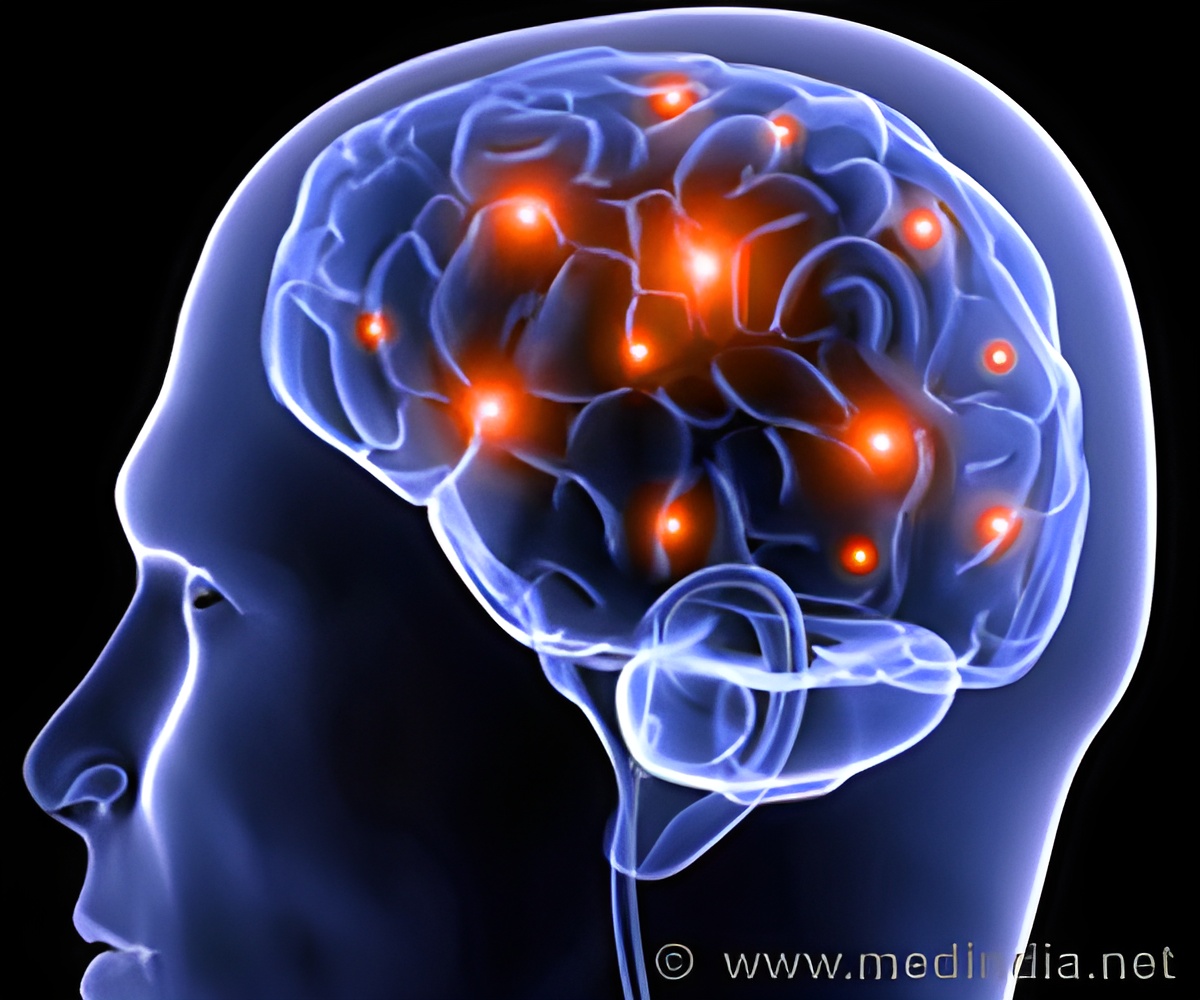
Human brain resembles a flock of birds. It comes to a consensus about which way to fly based on closeness and formation the birds are to one another.
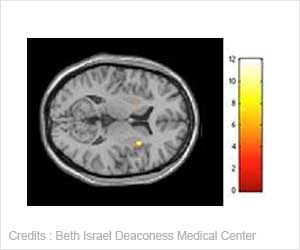
Brainwave Training can Improve Functioning of Cognitive Control in Humans
The function of brain network that is responsible for cognitive control could be enhanced by training of the well-known alpha rhythm brainwave in human.
The function of brain network that is responsible for cognitive control could be enhanced by training of the well-known alpha rhythm brainwave in human.
It applies control theory, a field traditionally used to study electrical and mechanical systems, to show that being on the "outskirts" of the brain is necessary for the frontal cortex to dynamically control the direction of thoughts and goal-directed behavior.
This fundamental understanding of how the brain controls its activity could help lead to better interventions for medical conditions associated with reduced cognitive control, such as autism, schizophrenia or dementia.

New Study Offers Clues About Why People Wean Themselves Off Cognitive Behavioral Therapy
Patients who improve quickly are more likely to drop out the cognitive behavioral therapy before completing treatment, losing the potential for future benefit.
Patients who improve quickly are more likely to drop out the cognitive behavioral therapy before completing treatment, losing the potential for future benefit.
Birds that fly at specific places in the flock can drive changes in the flock's direction, being leaders in a so-called multi-agent system. Similarly, particular regions of your brain are predisposed to control your thoughts based on where they lie in relation to other regions. The study is published in Nature Communications.
Promising Target for Potential New Treatments to Help People With Cognitive Diseases
The PDE4B-inhibited mice exhibited enhanced cognitive abilities. They tended to learn faster, remember events longer and solve complex exercises better.
The PDE4B-inhibited mice exhibited enhanced cognitive abilities. They tended to learn faster, remember events longer and solve complex exercises better.

New Research Reveals Why Some People are Good at Multitasking
People who could more quickly disconnect their frontal cortices did better on a task that involved pressing keys that corresponded to color-coded notes.
People who could more quickly disconnect their frontal cortices did better on a task that involved pressing keys that corresponded to color-coded notes.
 Email
Email