MEDINDIA
 English
 हिन्दी
 Español
 français
 中文
中文
A digital self-guided breathing retraining intervention that offers breathing exercises for asthma patients has been found to improve quality of life.

Asthma - Factors, Common Allergens, Diagnosis, Treatment, Support Groups, FAQs
It's a lung condition characterized by inflammation of the bronchi and constriction of the airways that result in coughing, wheezing or breathlessness. Allergy and other airway irritants can trigger it
It's a lung condition characterized by inflammation of the bronchi and constriction of the airways that result in coughing, wheezing or breathlessness. Allergy and other airway irritants can trigger it
TOP INSIGHT

Three sessions of face-to-face physiotherapist-taught breathing exercises improve disease-related quality of life for adults with asthma. Equivalent improvements can be achieved from a self-guided digital audiovisual programme.
The NHS healthcare costs were lower for both breathing retraining groups than for the usual care control group, and were lowest when access was provided digitally.1 Savings made by delivering the programme in this way outweigh any technology provision costs. The team has made the contents of the DVD and the supporting booklet freely available through the website http://www.breathestudy.co.uk/.
Asthma affects more than five million people in the UK and costs the NHS and social care (including disability payments) more than 1 billion pounds each year. It led to at least 6.3 million primary care consultations, and 1,160 asthma deaths in 2012. While asthma medications can provide full symptom control for some, a recent European survey suggests this isn't the case for most.
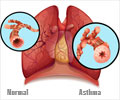
Asthma in Children and Adults - Facts, Treatment and Symptoms
Adult and childhood asthma are caused due to inflammation of the airways, but differences exist in their intensity and triggers.
Adult and childhood asthma are caused due to inflammation of the airways, but differences exist in their intensity and triggers.
The NIHR was receptive to calls from patients, carers and clinicians to fund studies looking into ways that could help asthmatics manage their condition. Professor Hywel Williams, Director of the NIHR's Health Technology Assessment (HTA) Programme, says: "We are delighted to have funded this study in an area of research that is important to the public and medical professionals.
Tests for Asthma - Medical and Family History, Diagnosis & Treatment
Do you find it difficult to breathe especially during the cold weather? You may need to get tested for asthma, a respiratory condition that is induced by allergies.
Do you find it difficult to breathe especially during the cold weather? You may need to get tested for asthma, a respiratory condition that is induced by allergies.
"It is important that we continue to fund research in technologies that help people manage their conditions."
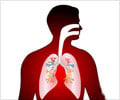
Respiratory Diseases - Diseases of the Human Respiratory System
Respiratory diseases affect any part of the respiratory system. Some of the lung diseases like chronic obstructive pulmonary disease can lead to respiratory failure.
Respiratory diseases affect any part of the respiratory system. Some of the lung diseases like chronic obstructive pulmonary disease can lead to respiratory failure.
"It demonstrates how important technology can be in transforming healthcare and potentially the lives of the 5.4 million people in the UK with asthma. We're urging researchers and innovators to work together to develop ways to help people with asthma through digital means, whether that is through video, SMART inhalers that can monitor the effectiveness of treatment, or apps to help patients manage their symptoms."
The complete research is published in the journal The Lancet Respiratory Medicine.
Source-Eurekalert
 Email
Email