
Top 10 Warning Signs of Diabetes You Shouldn't Ignore
Warning signs of diabetes such as increased thirst, urinary frequency, prolonged infections, and delayed wound healing among others should not be ignored.
Warning signs of diabetes such as increased thirst, urinary frequency, prolonged infections, and delayed wound healing among others should not be ignored.
‘People recovering from COVID-19 face a significantly higher risk of developing type 2 diabetes.’
Tweet it Now
The trend is concerning because most people in the United States will eventually experience a COVID-19 infection. This research study helps us understand—and better prepare for—the post-COVID-19 era of cardiovascular risk.The findings, published today in the journal JAMA Network Open, also suggest that the risk of type 2 diabetes appears lower in individuals who were already vaccinated against COVID-19 by the time they were infected.
To determine the rising rates of diabetes, investigators evaluated the medical records of 23,709 adult patients who had at least one documented COVID-19 infection and were treated within the Cedars-Sinai Health System in Los Angeles from 2020-2022. The average patient was 47 years old, and 54% of the subjects were female.
Risk for newly diagnosed diabetes after COVID-19: Finding the Truth
The combined risk of type 2 diabetes after COVID-19 exposure—accounting for both vaccinated and unvaccinated patients—was 2.1%, with 70% occurring after COVID-19 infection versus 30% happening before COVID-19 exposure.
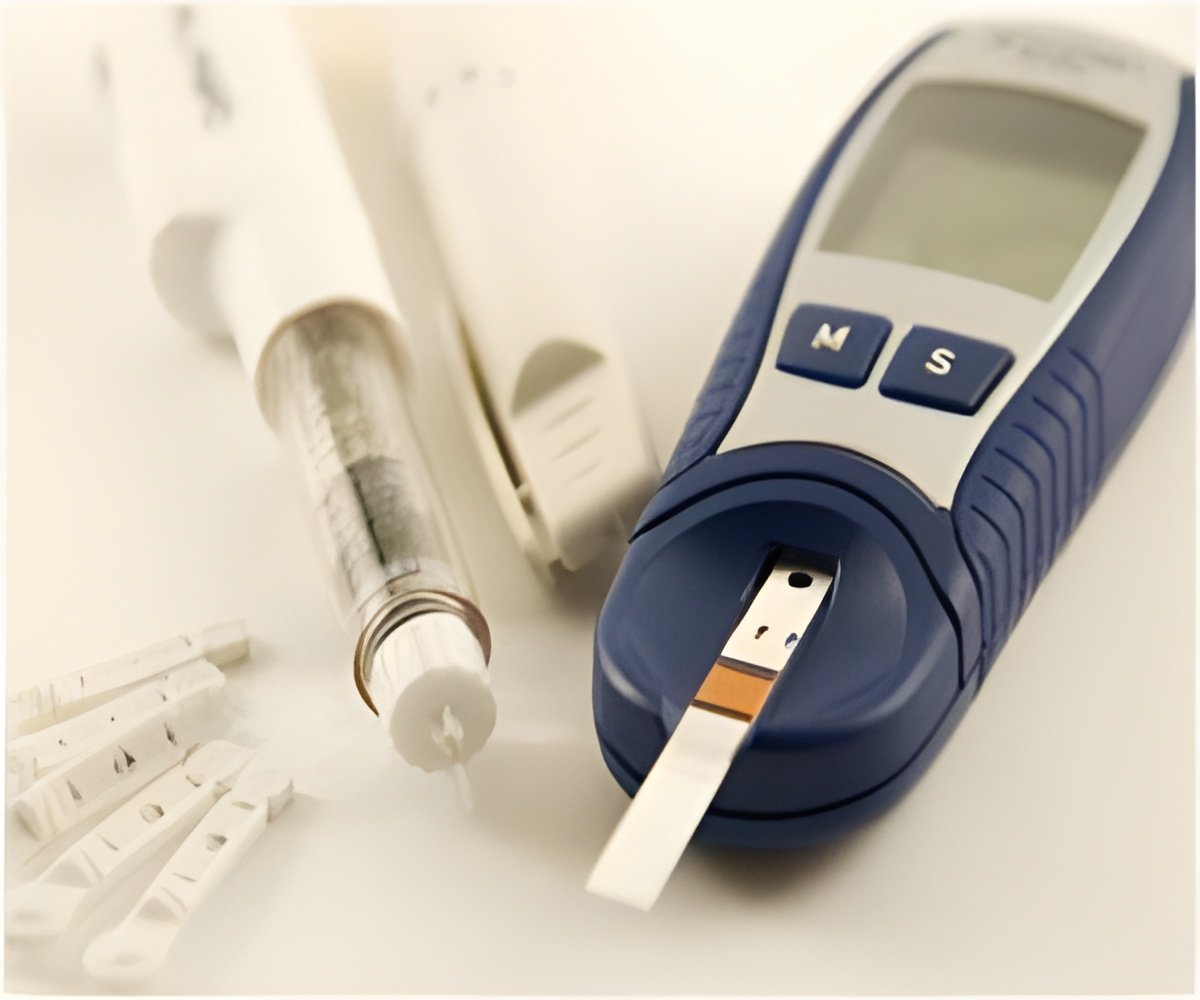
What is Self-Monitoring of Blood Glucose
Self-Monitoring Of Blood Glucose (SMBG) is one of the greatest advancements in the management of Diabetes.
Self-Monitoring Of Blood Glucose (SMBG) is one of the greatest advancements in the management of Diabetes.
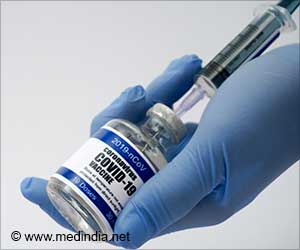
These results suggest that COVID-19 vaccination before infection may provide a protective effect against diabetes risk. Although further studies are needed to validate this hypothesis, we remain steadfast in the belief that COVID-19 vaccination remains an important tool in protecting against COVID-19 and the still-uncertain risks that people may experience during the post-infection period.
Advertisement

Post-COVID Syndrome
Post-COVID complications are the conditions that develop weeks after recovering from COVID-19
Post-COVID complications are the conditions that develop weeks after recovering from COVID-19
Diabetes disrupts normal metabolism and metabolic processes, preventing the pancreas from producing enough insulin, a hormone that helps regulate blood levels of glucose and amino acids. Because diabetes can damage vital organs and blood vessels, people with diabetes are at higher risk for heart attack and stroke.
Advertisement

Are You Experiencing Symptoms Post Covid Recovery?
Are you a Covid-19 survivor, but still feel fatigued? Doctors say that you may be experiencing what is known as Long Covid . The symptoms may not be life-threatening, but can persist for months and impact daily life.
Are you a Covid-19 survivor, but still feel fatigued? Doctors say that you may be experiencing what is known as Long Covid . The symptoms may not be life-threatening, but can persist for months and impact daily life.
As we learn how to live with COVID-19, we also have to be prepared to recognize and treat the various conditions linked to its after effects.
Source-Eurekalert