MEDINDIA
 English
 हिन्दी
 Español
 français
 中文
中文
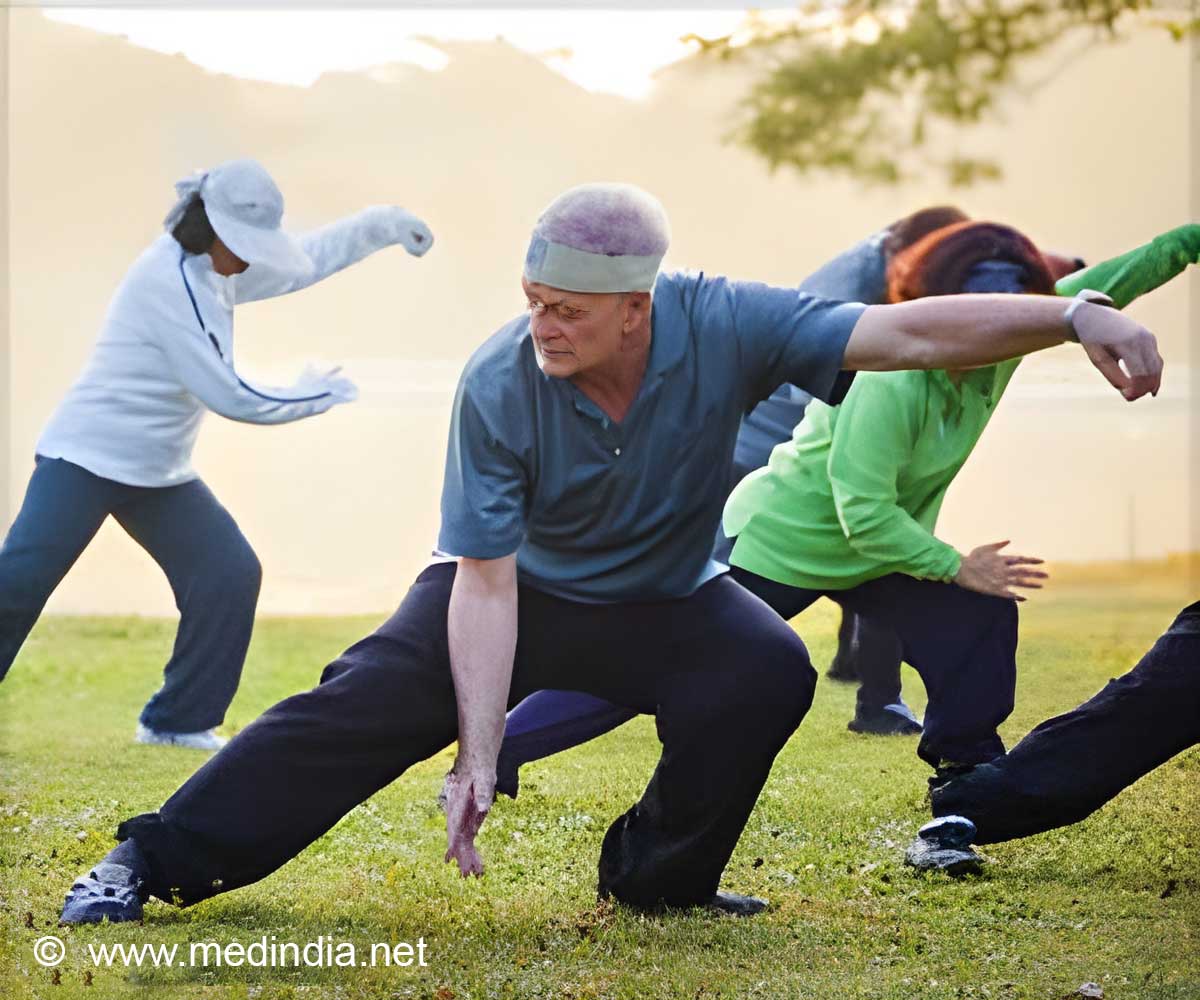
Tai chi holds the potential to reduce depression, anxiety, and stress along with improved sleep in people after they had a stroke
How to Deal with a Stroke - Signs - Symptoms - Risk Factors - Prevention
Stroke is a brain attack, which occurs when the blood supply to the brain is interrupted. It affects all age groups; according to the WHO, 15 million people are affected by stroke annually.
Stroke is a brain attack, which occurs when the blood supply to the brain is interrupted. It affects all age groups; according to the WHO, 15 million people are affected by stroke annually.
TOP INSIGHT

Tai chi holds the potential to reduce depression, anxiety, and stress along with improvement in sleep among post-stroke survivors. However further analysis is required to interpret the benefits of tai chi for a larger group of people post-stroke.
"Mind-body interventions are commonly used among adults to lessen depressive symptoms. Tai chi practice allows the individual to quiet the mind by dwelling in the present and setting aside unnecessary negative emotions, such as depression," says study author Dr. Ruth Taylor-Piliae of the University of Arizona, Tucson, US.
Benefits of Tai-chi
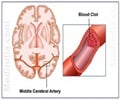
Stroke – Early Warning Signs - Risk Factor - Rehab - Treatment
Stroke can cause permanent disability and it is important to recognize its early warning signs to stop its progress. Early warning signs of stroke include sudden weakness of facial muscles.
Stroke can cause permanent disability and it is important to recognize its early warning signs to stop its progress. Early warning signs of stroke include sudden weakness of facial muscles.
Standardized questionnaires were used to assess the symptoms of depression, anxiety, and stress. Sleep (percentage of time spent sleeping) was assessed during night-time using a triaxial accelerometer.
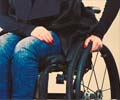
Hemiplegia - Causes, Symptoms, Diagnosis, Treatment and Prevention
Hemiplegia is a condition that is characterized by paralysis of one half of the body, usually due to a brain lesion on the opposite side. It may be congenital (cerebral palsy) or acquired later in life due to illness.
Hemiplegia is a condition that is characterized by paralysis of one half of the body, usually due to a brain lesion on the opposite side. It may be congenital (cerebral palsy) or acquired later in life due to illness.
The study also measured lower activity of the oxidative stress markers after the intervention in the blood samples collected from the patients. However, there were no significant changes seen in any of the inflammatory markers.
Snoring Symptom Evaluation
People, who normally do not snore, tend to do so after a bout of drinking, viral infections or after taking certain medications.
People, who normally do not snore, tend to do so after a bout of drinking, viral infections or after taking certain medications.
Source-Medindia
 Email
Email