MEDINDIA
 English
 हिन्दी
 Español
 français
 中文
中文
Menopause accelerates bone loss due to hormonal changes, raising the risk of osteoporosis and fractures.
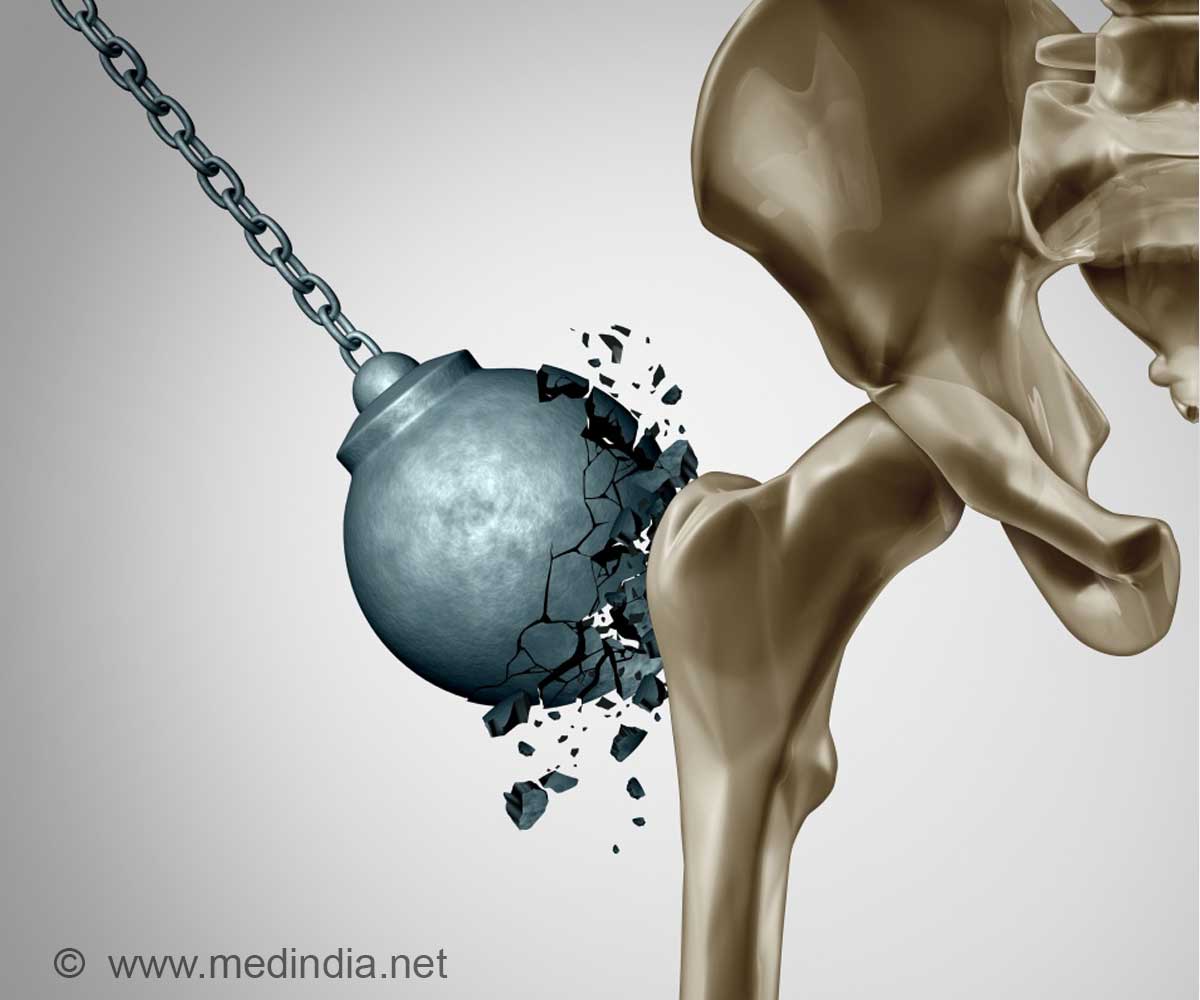
Associations of Habitual Skeletal Loading with Bone Changes During the Menopausal Transition
Go to source). A follow-up study conducted at the University of Jyväskylä, Finland, examined the relationship between everyday bone loading and changes in bone strength at the femoral neck, femoral shaft, and tibial shaft in women of menopausal age.

Are Menopause Symptoms Troubling You?: Try these Options
Menopause symptoms ignited during the cessation of the menstrual cycle can affect the quality of life. Menopause symptoms can be treated with hormonal and non-hormonal remedies.
Menopause symptoms ignited during the cessation of the menstrual cycle can affect the quality of life. Menopause symptoms can be treated with hormonal and non-hormonal remedies.
TOP INSIGHT

Researchers examined how everyday #bone loading affects #bonestrength in #menopausal_women, focusing on the femoral neck, shaft, and tibial shaft. #menopause
Boost Bone Health: The Power of Weight-Bearing Exercise
Physical activity, especially weight-bearing, impact-loading exercises, and high-intensity strength training, can positively affect bone health. Even short bursts of relatively high-intensity activity can be beneficial for bone health.In this study, nearly 200 women in the perimenopausal stage were followed until they reached postmenopause. Habitual bone loading was determined by measuring the number and intensity of individual impacts in everyday life.

Dealing with Menopause symptoms through lifestyle changes
You can deal with menopause symptoms such as hot flashes, weight gain and forgetfulness by making simple lifestyle changes.
You can deal with menopause symptoms such as hot flashes, weight gain and forgetfulness by making simple lifestyle changes.
Bone properties at the femoral neck, femoral shaft, and tibial shaft weakened during the follow-up period. Although the number of moderate and high-intensity impacts was positively associated with the strength at femoral and tibial shafts, these impacts were not associated with the bone changes observed during menopause. This suggests that impacts accumulated during everyday life are not sufficient to slow hormonal bone loss during menopause.

Quiz on Osteoporosis
Osteoporosis is a debilitating condition that affects all the bones. However, the bones of the hip, wrists and spine are most affected. Learn more about the debilitating disease of Osteoporosis by taking this ...
Osteoporosis is a debilitating condition that affects all the bones. However, the bones of the hip, wrists and spine are most affected. Learn more about the debilitating disease of Osteoporosis by taking this ...
The study is part of the ERMA study carried out by the Faculty of Sport and Health Sciences and Gerontology Research Centre at the University of Jyväskylä, Finland, in 2015 to 2018. This sub-study involved 189 perimenopausal women from Jyväskylä, aged 47 to 55 at the start of the study. The participants were followed until they became postmenopausal, with an average follow-up period of 15 months.
Fracture
A fracture is a condition where the continuity of the bone is lost. Majority of bone fractures occur because of high force impact or stress on a bone.
A fracture is a condition where the continuity of the bone is lost. Majority of bone fractures occur because of high force impact or stress on a bone.
Reference:
- Associations of Habitual Skeletal Loading with Bone Changes During the Menopausal Transition- (https://journals.lww.com/acsm-msse/abstract/9900/associations_of_habitual_skeletal_loading_with.687.aspx)
Source-Eurekalert
 Email
Email