MEDINDIA
 English
 हिन्दी
 Español
 français
 中文
中文
Intrauterine transmission of COVID-19 infection from mother to baby can be confirmed based on immunohistochemical and ultrastructural evidence of SARS-CoV-2 nucleocapsid protein in the fetal cells of the placenta. On examination, placenta also shows signs of tissue inflammation.

Coronavirus
Coronaviruses infect animals, humans, and birds. Human coronaviruses, such as SARS, MERS, and 2019-nCoV cause respiratory distress and even death. The S protein is the infectious agent of the virus.
Coronaviruses infect animals, humans, and birds. Human coronaviruses, such as SARS, MERS, and 2019-nCoV cause respiratory distress and even death. The S protein is the infectious agent of the virus.
TOP INSIGHT

Further understanding of the risk factors and mechanisms behind intrauterine transmission of COVID-19 virus is needed to limit the outcome in congetinal COVID-19 infection in infants.
Read More..
First Documented Intrauterine Transmission of COVID-19
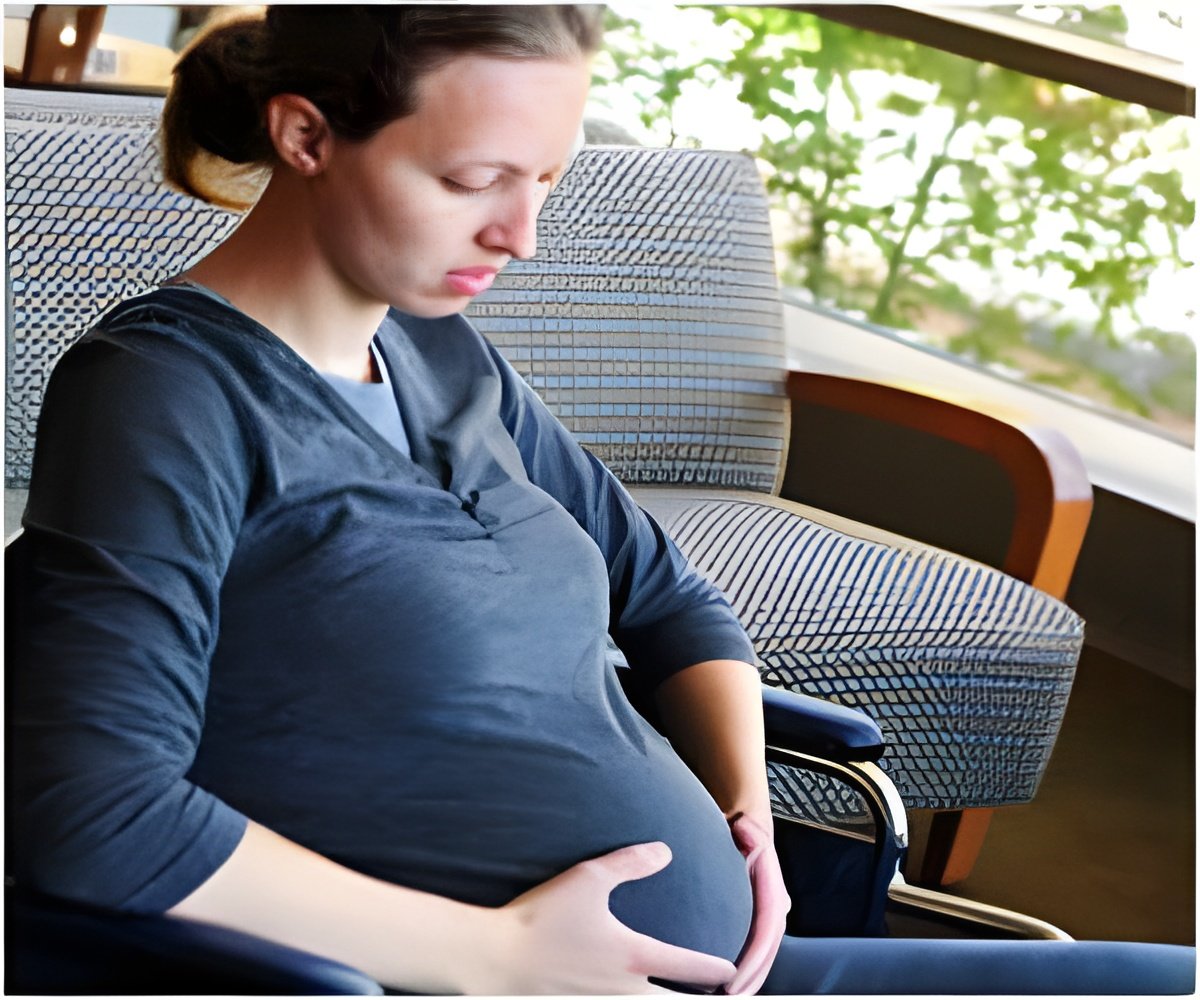
The authors report on an infant delivered to a mother diagnosed with COVID-19, who also had type 2 diabetes. The infant was born at 34 weeks' gestation after the mother had premature rupture of the membranes. The baby was born "large for gestational age" (LGA) - an important complication in infants of diabetic mothers. She was treated in the neonatal ICU due to prematurity and possible SARS-CoV-2 exposure.

Indian Namaste the Preferred Greeting over Conventional Handshake
COVID-19 pandemic is causing changes in how we greet each other. The traditional Indian way of greeting with folded hands (Namaste) is now being preferred over handshake. Namaste has more to it than just being a greetings, read to find out
COVID-19 pandemic is causing changes in how we greet each other. The traditional Indian way of greeting with folded hands (Namaste) is now being preferred over handshake. Namaste has more to it than just being a greetings, read to find out
The baby tested positive for SARS-CoV-2 infection at 24 and 48 hours after birth. She was treated with supplemental oxygen for several days but did not need mechanical ventilation. COVID-19 tests remained positive for up to 14 days. At 21 days, the mother and infant were sent home in good condition.
Although data on COVID-19 remain very limited, "Intrauterine transmission of SARS-CoV-2 appears to be a rare event," Dr. Sisman and colleagues conclude. They highlight several urgent priorities for further research, including the mechanisms and risk factors of in utero SARS-CoV-2 transmission and the outcomes of congenital COVID-19 in infants.

Key Risk Factors for COVID-19 Discovered
Unhealthy lifestyle choices, including smoking and lack of exercise, along with emotional stressors like social isolation and interpersonal conflicts are important risk factors for developing upper respiratory infections. It is possible these same factors also increase the risk of contracting COVID-19.
Unhealthy lifestyle choices, including smoking and lack of exercise, along with emotional stressors like social isolation and interpersonal conflicts are important risk factors for developing upper respiratory infections. It is possible these same factors also increase the risk of contracting COVID-19.
Two additional case reports in PIDJ also describe "vertical" transmission of SARS-Co-V2 from mother to infant occurring under different circumstances. Together, the three cases highlight the important but difficult distinction between virus transmission occurring before or during/after delivery (intrauterine versus intrapartum), according to a commentary led by George K. Siberry, MD, of the US Agency for International Development and Associate Chief Editor of PIDJ. Dr. Siberry and coauthors write: "As these cases illustrate, evaluation for vertical - and especially intrauterine - SARS-CoV-2 infection can be challenging, and assessment is often limited by lack of optimal testing of appropriate specimens obtained at specific timepoints."
Source-Eurekalert
 Email
Email