MEDINDIA
 English
 हिन्दी
 Español
 français
 中文
中文
People suffering from diabetes have an increased risk of blindness, yet most patients do not get an annual eye exam to detect possible problems.
Glaucoma - Causes, Symptoms, Diagnosis, Treatment & Prevention
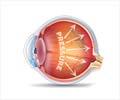
Glaucoma is a group of disorders involving the optic nerve, often associated with a rise in intraocular pressure. Uncontrolled glaucoma can lead to blindness.
Glaucoma is a group of disorders involving the optic nerve, often associated with a rise in intraocular pressure. Uncontrolled glaucoma can lead to blindness.
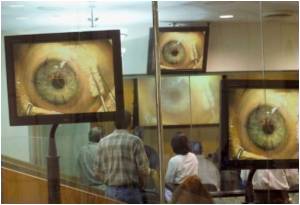
The systems require a trained technician to use a digital camera to take pictures of the retina, located inside the eye.
The images are then transferred electronically to computers, which can automatically detect the small hemorrhages (internal bleeding) and signs of fluid that are hallmarks of diabetes damage.
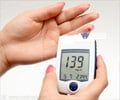
Diabetes Type 1, Type 2 - Causes Symptoms Diagnosis and Treatment FAQs
A comprehensive article on diabetes - both Type 1 and Type 2 diabetes, including : causes, signs, symptoms, diagnosis, treatment, facts and a glossary on diabetes.
A comprehensive article on diabetes - both Type 1 and Type 2 diabetes, including : causes, signs, symptoms, diagnosis, treatment, facts and a glossary on diabetes.
"Our analysis shows that the computerized programs appear to be as accurate and thorough as a highly trained expert in determining if these initial signs of an eye problem are developing in someone with diabetes. Once the initial problems are found, an eye specialist can treat the patient," added Abramoff.

Source-ANI
THK
 Email
Email