MEDINDIA
 English
 हिन्दी
 Español
 français
 中文
中文
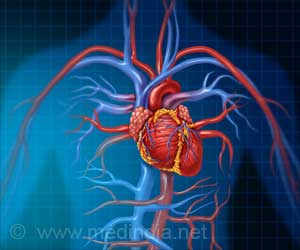
Arterial stiffness, or hardening of the arteries, that may put youth on the path to cardiovascular disease.
Diabetics Benefit More by Decline in Cardiovascular Diseases
There is a steep decline in incidence of cardiovascular diseases and deaths in general population and among diabetics in Sweden.
There is a steep decline in incidence of cardiovascular diseases and deaths in general population and among diabetics in Sweden.
TOP INSIGHT

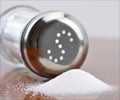
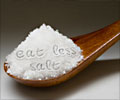
Adolescents who consume too much salt have measurable changes in their blood vessels associated with early signs of cardiovascular disease in adults.
The National Institutes of Health-funded study involved 775 participants recruited from an Ohio children’s hospital who were measured for the elasticity or distensibility of their brachial artery (BrachD), located in the upper arm. Pulse wave velocity (PWV) was also measured for differences in the speed that blood traveled between their carotid artery in the neck and femoral artery in the groin. The amount of sodium they consumed was measured with self-reported, 3-day diet records.
Elaine M. Urbina, MD, MS, Director of Preventive Cardiology at Cincinnati Children’s Hospital Medical Center and lead author of the study, said the results showed that higher average daily sodium intake was associated with lower BrachD and higher PWV after adjusting for age, race, sex, body-mass index and other blood electrolyte levels that could affect readings.

Exposure To Toxic Air Pollution Increases Cardiovascular Disease Risk
Cardiovascular disease risk increases when exposed to high levels of air pollution.
Cardiovascular disease risk increases when exposed to high levels of air pollution.
"It’s clear that adolescents and young adults have higher-than-recommended amounts of salt in their diet. Our study suggests this may translate into changes in the body that put them at higher risk for future heart attack and stroke."
Get Rid Of Love Handles And Prevent Cardiovascular Diseases
Obesity and irregular physical activity are the major risk factors for cardiovascular deaths in the U.S.
Obesity and irregular physical activity are the major risk factors for cardiovascular deaths in the U.S.
Please note: only the abstract is being presented at the meeting. In some cases, the researcher may have more data available to share with media, or may be preparing a longer article for submission to a journal. Contact the researcher for more information.

Olive Oil can Help Decrease Cardiovascular Disease
The purpose of inflammation is to protect against illnesses and repair the body when needed, but chronic inflammation is extremely harmful to arterial health.
The purpose of inflammation is to protect against illnesses and repair the body when needed, but chronic inflammation is extremely harmful to arterial health.
 Email
Email