MEDINDIA
 English
 हिन्दी
 Español
 français
 中文
中文
The United States must focus on conserving the use of antibacterial drugs, or face a public health crisis from rapidly rising rates of antibiotic-resistant infections, according to
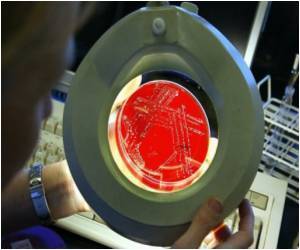

Study Finds High Rates of Drug Resistant TB Among UK Prisoners
UK prisoners are significantly more likely to have drug resistant TB than other people with the disease.
UK prisoners are significantly more likely to have drug resistant TB than other people with the disease.
"This is a war we cannot win unless we adopt a two-pronged strategy: one that would boost the supply of new drugs and at the same time preserve the ones we have left," says Aaron Kesselheim, M.D., J.D., M.P.H., one of the paper's co-authors. He conducted the analysis of antibacterial drugs and their impact on public health through a grant from Public Health Law Research (PHLR), a national program of the Robert Wood Johnson Foundation (RWJF).
The current pharmaceutical reimbursement system gives companies an incentive to oversell antibiotics, says Kesselheim, who is also an instructor in medicine in the Division of Pharmacoepidemiology and Pharmacoeconomics at Brigham and Women's Hospital and Harvard Medical School in Boston. Companies that have spent large sums of money on research and development for a new drug often seek to turn a profit on that product as quickly as possible—before resistance sets in, he says.

Novel Compound To Fight Drug Resistant Malaria
Pharma giant Novartis has announced the discovery of a novel compound compound that shows promise as a next generation treatment for drug resistant malaria.
Pharma giant Novartis has announced the discovery of a novel compound compound that shows promise as a next generation treatment for drug resistant malaria.
"Right now, pharmaceutical companies are rewarded for actions that conflict with the public health goal of reducing antibiotic resistance," Outterson says. "That has to stop."

Multi-drug Resistant Bacterium in Urinary Tract Infections Creates Scare Worldwide
There is concern, over a dramatic increase in the number of antibiotic-resistant bacteria responsible for causing urinary tract infections, being raised by experts.
There is concern, over a dramatic increase in the number of antibiotic-resistant bacteria responsible for causing urinary tract infections, being raised by experts.
Specifically, Kesselheim and Outterson suggest that government experts study the rates of resistance and set "effectiveness targets" for newly approved antibiotics. To meet those goals, which the authors say would be based on factors related to the disease targeted by the antibiotic, such as lower resistance rates, drug companies would need to coordinate with physicians and hospitals so that the drugs are prescribed only when clinically indicated. Such action would remove the current incentive to oversell.

Superbug Linked to Death of Babies in Britain
Superbug, which is resistant to common antibiotics, has taken life of three babies at one of Britain's leading hospitals.
Superbug, which is resistant to common antibiotics, has taken life of three babies at one of Britain's leading hospitals.
Such a policy could help slow development of resistance in microbes and ensure new antibiotics have a longer shelf life, a bonus that would help not just individual patients but society as a whole, Kesselheim and Outterson predict.
The authors, and other experts, say that the United States must adopt more comprehensive strategies that give drug companies and others incentives to reduce antibiotic resistance. For example, hospitals should be financially rewarded for adhering to strict infection-control practices, which can reduce the spread of antibiotic-resistant microbes, says Ramanan Laxminarayan, Ph.D., principal investigator for Extending the Cure, an RWJF-funded project on antibiotic resistance.
Source-Eurekalert
 Email
Email