MEDINDIA
 English
 हिन्दी
 Español
 français
 中文
中文
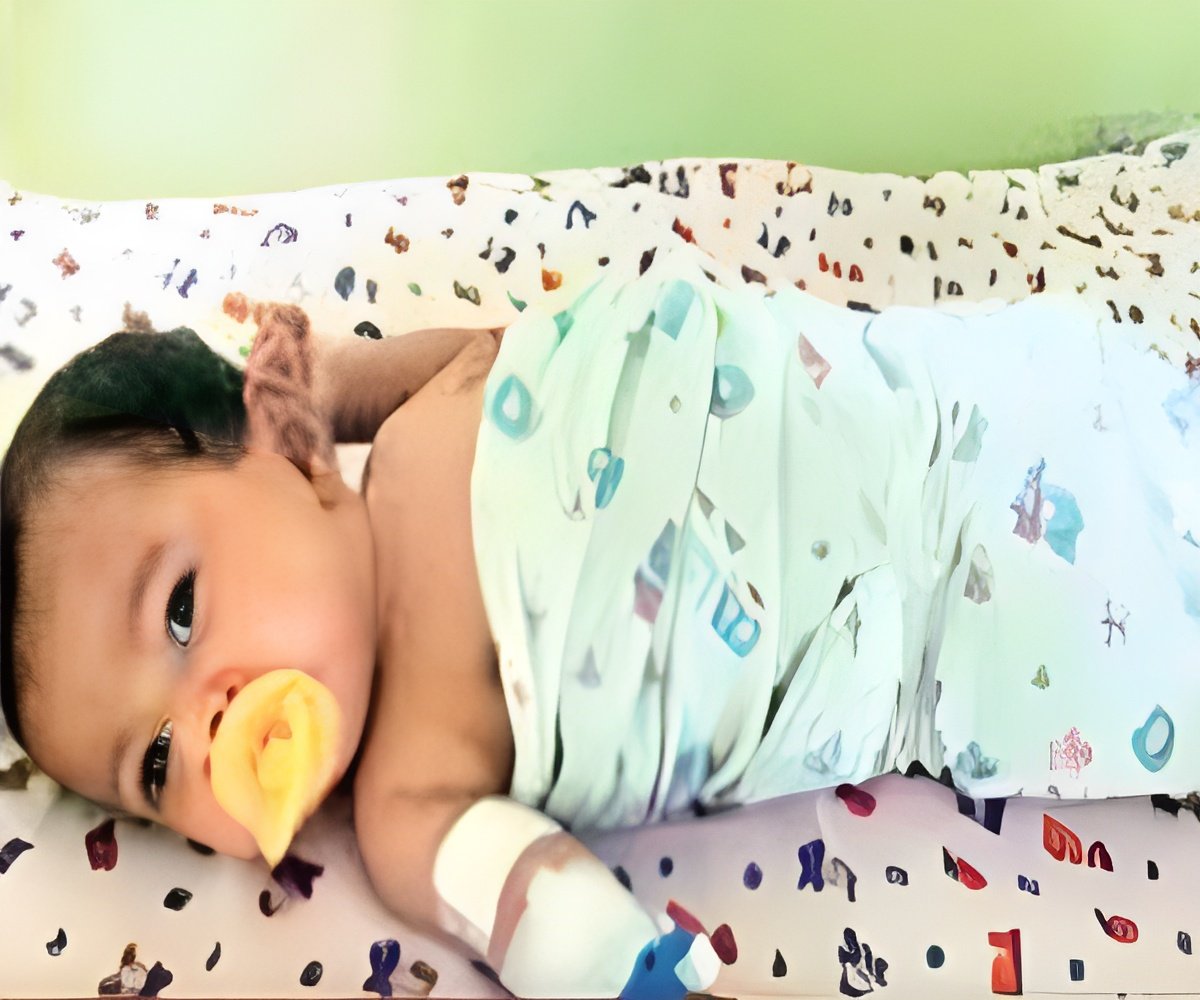
A new study reveals the adverse effects of mild traumatic brain injury (mTBI) on the quality parent-child relationships.
Scientists Explain Why Rest is Critical After a Concussion
Doctors who order several days of rest after a person suffers a concussion are giving sound advice, say experts, and new data from animal models explains why.
Doctors who order several days of rest after a person suffers a concussion are giving sound advice, say experts, and new data from animal models explains why.
TOP INSIGHT

The quality of parent-child interactions following concussion was observed to be significantly reduced compared to non-injured children.
Knowing that good parent-child relationships are synonymous with better social skills later in life, the researchers stress the importance for parents to monitor behavior changes in their child in the weeks that follow the trauma and adjust accordingly during this period.
"Very little data exists about the first signs of socialization problems in preschoolers after a concussion. Parent-child relationships represent the center of young children's social environments and are therefore ideal contexts for studying the potential effects of mTBI on children's social functioning," said Gabrielle Lalonde, a doctoral student and first author of the study.

Concussions Had Spiked by 30 Percent This Super Bowl Season
Former New York Giants safety Tyler Sash had suffered from chronic traumatic encephalopathy (CTE), despite playing only two seasons in National Football League.
Former New York Giants safety Tyler Sash had suffered from chronic traumatic encephalopathy (CTE), despite playing only two seasons in National Football League.
"We asked parents to fill out a questionnaire so they could evaluate their relationship with their child. At the same time, they participated in a filmed evaluation session in the laboratory in which they and their children took part in typical daily activities - such as free play and snack time - allowing the researchers to measure the quality of their communication, cooperation, and the emotional atmosphere," said Miriam Beauchamp. "The quality of parent-child interactions following concussion was significantly reduced compared to non-injured children."

Concussion Diagnosis Made Easy With This New Blood Test!
The blood test that can detect a concussion up to seven days after the head injury, promising another way for doctors to manage the risks of injury to the brain.
The blood test that can detect a concussion up to seven days after the head injury, promising another way for doctors to manage the risks of injury to the brain.
"If, as parents, you notice the effects of the accident on your own psychological state, or behavioral changes in your child that make them interact differently and that persist more than a few weeks, you should talk to your family doctor or a neuropsychologist," said Beauchamp.
Teens Sensitive to Light and Noise may Display Emotional Symptoms After Concussion
Results of a new study reveal that teens who are sensitive to light or noise may display emotional symptoms, such as anxiety, after suffering a concussion.
Results of a new study reveal that teens who are sensitive to light or noise may display emotional symptoms, such as anxiety, after suffering a concussion.
 Email
Email