MEDINDIA
 English
 हिन्दी
 Español
 français
 中文
中文
Latest invention combines two micro-imaging technologies that can reveal both the detailed anatomy of arterial linings and biological activities in coronary arteries.

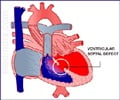
Congenital Heart Disease – Septal Defects
Heart diseases that are present at birth are called “ Congenital heart diseases”.
Heart diseases that are present at birth are called “ Congenital heart diseases”.
Intravascular NIRF technology was developed in the MGH Cardiovascular Research Center (CVRC), in collaboration with colleagues at the Technical University of Munich, and uses special imaging agents to detect cells and molecules involved in vascular processes like clotting and inflammation. Recognizing the potential advantage of combining both technologies, the Wellman researchers worked with the MGH-CVRC team, led by Farouc Jaffer, MD, PhD, of the MGH Heart Center to develop an integrated OFDI-NIRF imaging system incorporated in the same intravascular probe used for OFDI alone.
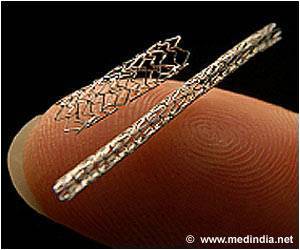
The team first confirmed that the system could provide detailed structural images of a stent implanted in a cadaveric human coronary artery and could accurately identify the presence of fibrin on the stent. In a series of experiments in living rabbits, the OFDI-NIRF system was able to detect fibrin on implanted stents – including areas where it was not detected by OFDI alone – and to identify the presence of both atherosclerotic plaques and enzymatic activity associated with inflammation and plaque rupture. The enzyme signal detected by NIRF was not uniform throughout the imaged plaques, indicating biological differences that could be relevant to prognosis and treatment planning.

Diet, Lifestyle and Heart Disease
The correlation between diet, lifestyle and heart disease. The importance of balanced diet life style and exercise for controlling heart disease.
The correlation between diet, lifestyle and heart disease. The importance of balanced diet life style and exercise for controlling heart disease.
Source-Eurekalert

Mercury Exposure and Risk of Heart Diseases: Nothing Fishy About It!
According to a recent study, exposure to methyl mercury by ingestion of fish does not increase the risk of coronary heart disease, stroke, or other cardiovascular diseases.
According to a recent study, exposure to methyl mercury by ingestion of fish does not increase the risk of coronary heart disease, stroke, or other cardiovascular diseases.
 Email
Email