Coca-Cola Slammed for an 'Ad'
A US based nutritional advocacy group has slammed the soft drink giant Coca Cola for broadcasting an an ad that aired during NBC's Olympics featuring giant slalom winner Ted Ligety
A US based nutritional advocacy group has slammed the soft drink giant Coca Cola for broadcasting an an ad that aired during NBC's Olympics featuring giant slalom winner Ted Ligety
The company and GEBN together emphasized that to maintain a healthy weight, get more exercise and worry less about cutting calories.
“Most of the focus in the popular media and in the scientific press is, ‘Oh they’re eating too much, eating too much, eating too much’ – blaming fast food, blaming sugary drinks and so on and there’s really virtually no compelling evidence that, in fact, is the cause,” said, Steven N. Blair, one of the organization’s scientists and vice president in a recent video.

Coca-Cola Hopes World Cup Will be a Cheer to Its North American Operations
American soft-drink giant Coca-Cola is hoping to take advantage of sponsoring this year’s FIFA World Cup in Brazil to launch a marketing blitz.
American soft-drink giant Coca-Cola is hoping to take advantage of sponsoring this year’s FIFA World Cup in Brazil to launch a marketing blitz.
Michele Simon, a public health lawyer, said, “The act of Coca-Cola may be a response to the losses of the company. Coke has announced its quarterly profit dropped 14 percent in 2014, and over the last decade sales continue to decline in the United States, when people started to shift away from carbonated drinks and even diet soda because of health concerns.”
Advertisement

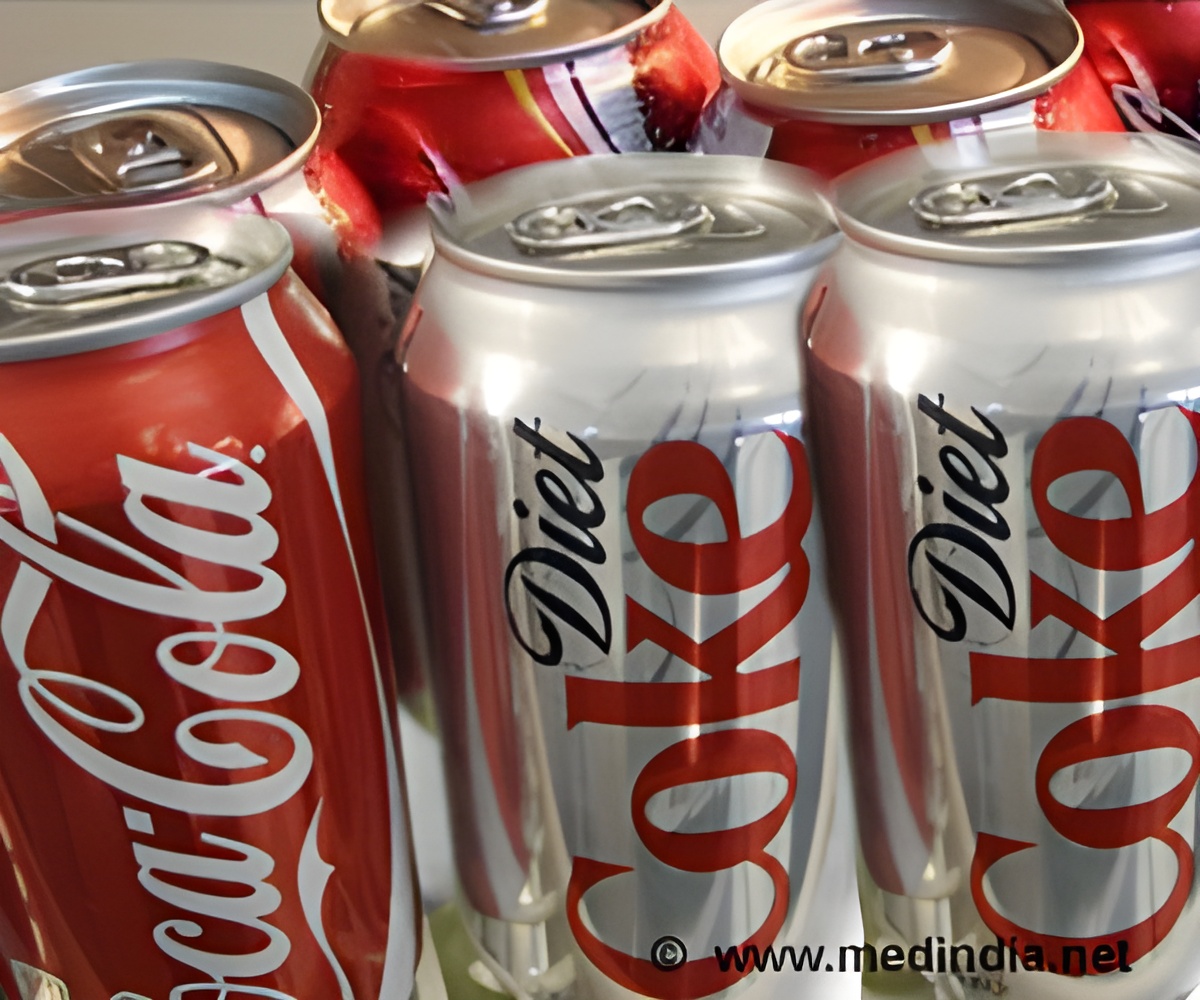
After Coca-Cola, Here's Why You Shouldn't Even Drink 'Diet Coke' As Well
One can of diet cola contains 44-62mg of phosphoric acid, and women who regularly drank coke had four percent lower bone mineral density in their hips.
One can of diet cola contains 44-62mg of phosphoric acid, and women who regularly drank coke had four percent lower bone mineral density in their hips.
In the food industry, science-based research is not uncommon. Many companies have funded scientific studies. But a recent research published in the journal PLOS Medicine, found that those funded studies were five times more likely to find no link between sugary drinks and weight gain than studies whose authors were not affiliated with the companies.
Advertisement
Secret Formula of Coca-cola Revealed
The secret formula of carbonated beverage Coca-cola may have been revealed.
The secret formula of carbonated beverage Coca-cola may have been revealed.