MEDINDIA
 English
 हिन्दी
 Español
 français
 中文
中文
The amendment to the rules seek to bring in more predictable review timeline, steps which will encourage sponsors to participate in the trials.


Clinical Trials - Early History
Many of the drugs that are used today have been discovered by chance or often by mere serendipity
Many of the drugs that are used today have been discovered by chance or often by mere serendipity
“The guidelines earlier provided a blanket for any injury suffered by the patient, which the medical management had to provide irrespective of its causality. This was one of the factors that was keeping sponsors away. Now with the amendment, the compensation would be awarded commensurate with the severity of the injury,” said Thatte.
YK Gupta, professor and head of department of pharmacology at AIIMS and executive council member, ISCR, said: “There were some trials in the past which went wrong and since then the government has taken corrective measures. All institutional ethical committees for the trials have to be accredited and no trial can be conducted without the informed consent of a patient.” He said that the amendment has added the provision of "recording and archiving" the interaction with the patient for future references.

Clinical Trials | Drug Trials - Types Protocol Development and Approval FAQs
Clinical trials are experiments that yield useful information to clinicians if a particular treatment is of any value to a patient.
Clinical trials are experiments that yield useful information to clinicians if a particular treatment is of any value to a patient.
"We therefore have cleared major hurdles in making clinical trial in India more streamlined and there are only operational challenges now, like the right number of trials, etc," she added.

Clinical Trials and Its different Phases
Clinical trials serve as a vital component for improving the treatment of medical conditions as they lead to higher standards of patient care.
Clinical trials serve as a vital component for improving the treatment of medical conditions as they lead to higher standards of patient care.
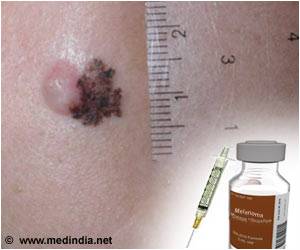
Drug Trials on Ipilimumab, Nivolumab Shows Reduction in Melanoma Tumor Size and Relapse
Both drugs had shrunk the cancer tumors by at least a third in 58% of patients, with the tumors stable or shrinking for an average of 11.5 months.
Both drugs had shrunk the cancer tumors by at least a third in 58% of patients, with the tumors stable or shrinking for an average of 11.5 months.
 Email
Email