MEDINDIA
 English
 हिन्दी
 Español
 français
 中文
中文
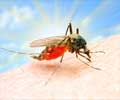
Jammu and Kashmir will have the problem of vector-borne diseases by 2032 and the Himalayan region will be worst hit due to the rise in temperature.
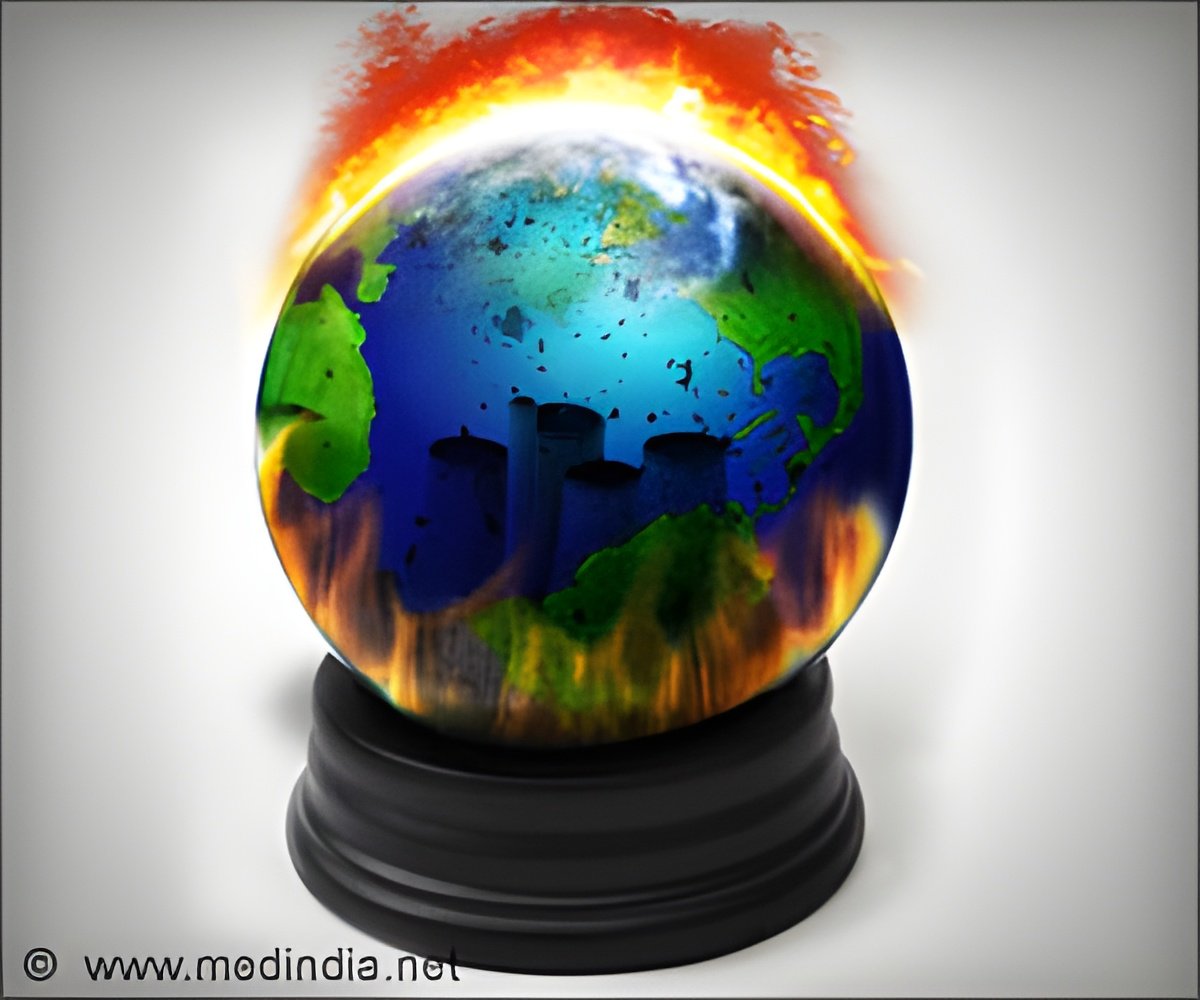
Canada, Switzerland Most Concerned about Climate Change; Australians Most Skeptical
People in countries with higher carbon emissions, like the United States, Australia and Norway were more likely to be skeptical of environmental issues.
People in countries with higher carbon emissions, like the United States, Australia and Norway were more likely to be skeptical of environmental issues.
There was a need to "strengthen" the country's health infrastructure and reach out to people living in far flung areas of the country. "We need dedicated health workers who will have to visit each and every corner of the country as surveillance is the crux of the issue," said Dhiman.
Adding to the menace would be the hazards of heat waves which in 2015 killed over 2,000 people in India alone, said Dileep Mavalankar, Director of Gandhinagar-based Indian Institute of Public Health. Noting that "pursuit of high growth" will ultimately lead to death, B.N. Satpathy, consultant, NITI Ayog said the government had laid down a low carbon energy growth path.
Climate Change is a Threat to Health, may Cause Conflict and Violence
Climate change may amplify existing public health impacts, such as heat-related morbidity and mortality, malnutrition from droughts, and deaths due to floods.
Climate change may amplify existing public health impacts, such as heat-related morbidity and mortality, malnutrition from droughts, and deaths due to floods.
According to WHO, climate change is expected to cause approximately 250,000 additional deaths between 2030 and 2050; 38,000 due to heat exposure in elderly people, 48,000 due to diarrhea, 6,000 due to malaria and 95,000 due to childhood nutrition problems.
Global Warming Slowdown Doesn't Mean End of Climate Change, It Could be Temporary
Random variations can cause short term interruptions to climate patterns in the form of a pause or surge in warming, in both the real data and in the models.
Random variations can cause short term interruptions to climate patterns in the form of a pause or surge in warming, in both the real data and in the models.

Climate Change Made Ocean Water Warmer and Acidic; Drives Away the Fish
Fishing conflicts among countries like Somalia, Sri Lanka, Pakistan, India, China and Japan have their origin in carbon dioxide emission and climate change.
Fishing conflicts among countries like Somalia, Sri Lanka, Pakistan, India, China and Japan have their origin in carbon dioxide emission and climate change.
 Email
Email