MEDINDIA
 English
 हिन्दी
 Español
 français
 中文
中文
it is possible to prevent prediabetes from developing into type 2 diabetes. Eating healthy food, losing weight and being physically active can help you.
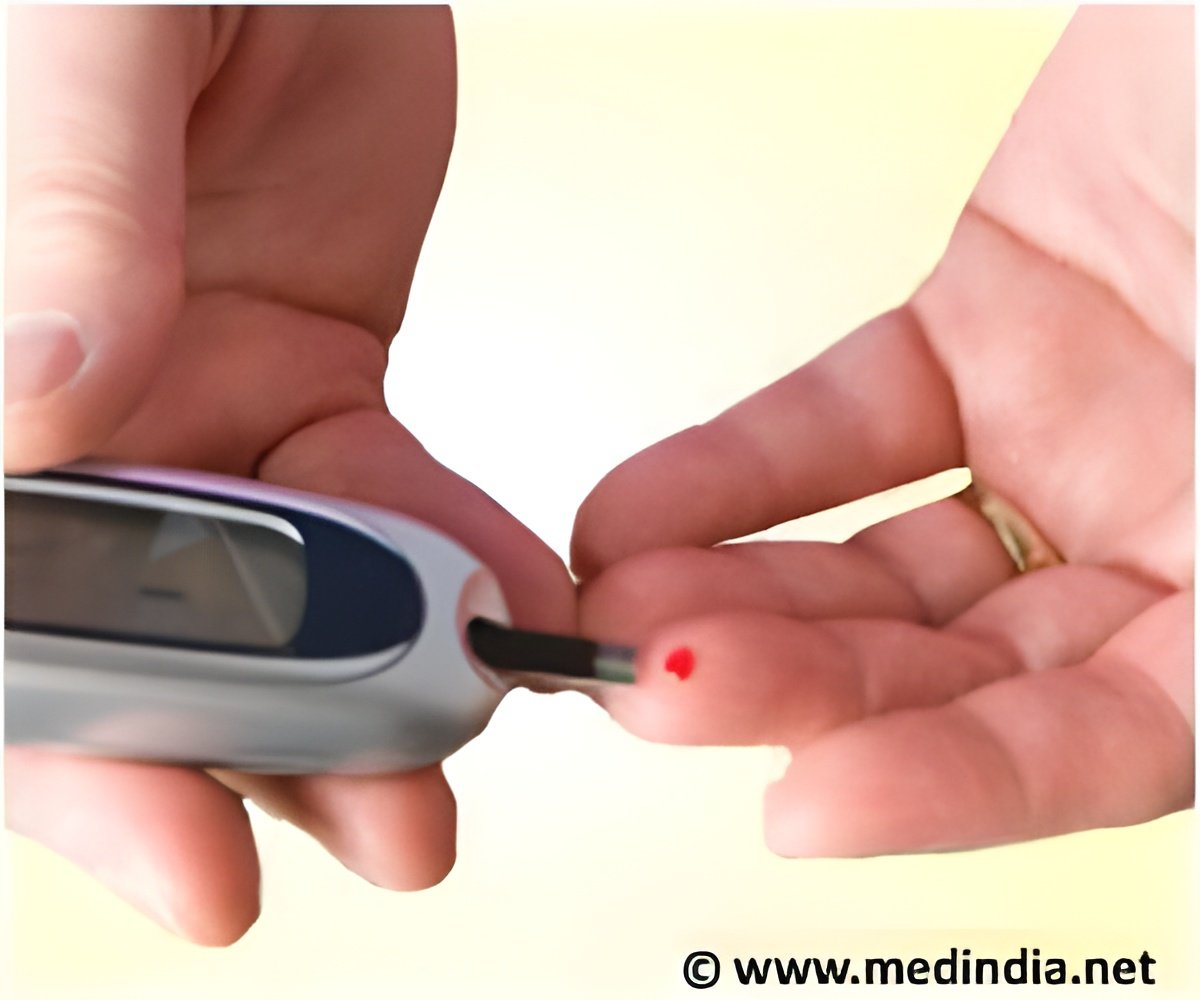

Review Assesses Medications for Diabetes and Osteoporosis
In people with type 2 diabetes, the risk of fracture is high. Certain diabetic medications affect bone metabolism and cause osteoporosis.
In people with type 2 diabetes, the risk of fracture is high. Certain diabetic medications affect bone metabolism and cause osteoporosis.
TOP INSIGHT

Prediabetes develops when your body begins to have trouble using the hormone insulin. In pre-diabetes, your body either doesn’t make enough insulin or it doesn’t use it well.
Among the findings:
The estimated prevalence of total diagnosed and undiagnosed diabetes was 10.9 percent; that of diagnosed diabetes, 4 percent; and that of prediabetes, 35.7 percent.
Demographic Differences Visible in Rising Diabetes Rates
Diabetes is a serious health condition that affects millions of people in the United States and has more than doubled in prevalence over the past 20 years.
Diabetes is a serious health condition that affects millions of people in the United States and has more than doubled in prevalence over the past 20 years.
Tibetan and Muslim Chinese had significantly lower prevalence of diabetes than Han participants (14.7 percent for Han, 4.3 percent for Tibetan, and 10.6 percent for Muslim).

Broccoli Sprouts Help In Treating Type 2 Diabetes
Globally, more than 300 million people are affected with Type 2 diabetes, and when given concentrated broccoli sprout, fasting blood glucose levels decreased.
Globally, more than 300 million people are affected with Type 2 diabetes, and when given concentrated broccoli sprout, fasting blood glucose levels decreased.
With approximately 1.09 billion adults in total in mainland China, it is projected that 388.1 million Chinese adults (200.4 million men and 187.7 million women) may have had prediabetes in 2013.
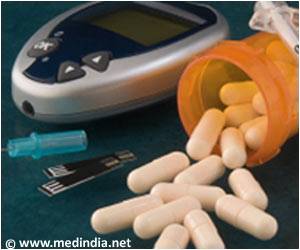
Canagliflozin Drug: New Treatment for Diabetes Reduces Risk of Heart and Kidney Disease
Canagliflozin drug for type 2 diabetes has been found to significantly reduce the risk of both heart and kidney disease.
Canagliflozin drug for type 2 diabetes has been found to significantly reduce the risk of both heart and kidney disease.
A limitation of the study was that the researchers did not distinguish between type 1 and 2 diabetes.
Source-Eurekalert
 Email
Email