MEDINDIA
 English
 हिन्दी
 Español
 français
 中文
中文
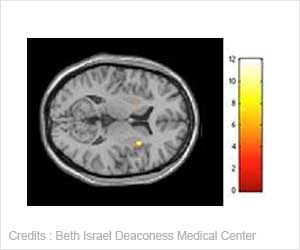
The human brain is nimble. The infralimbic cortex, located toward the front of the head, is responsible for forming habits and regulating behavior.

Production of Living Brain Cells Paves Way for New Research
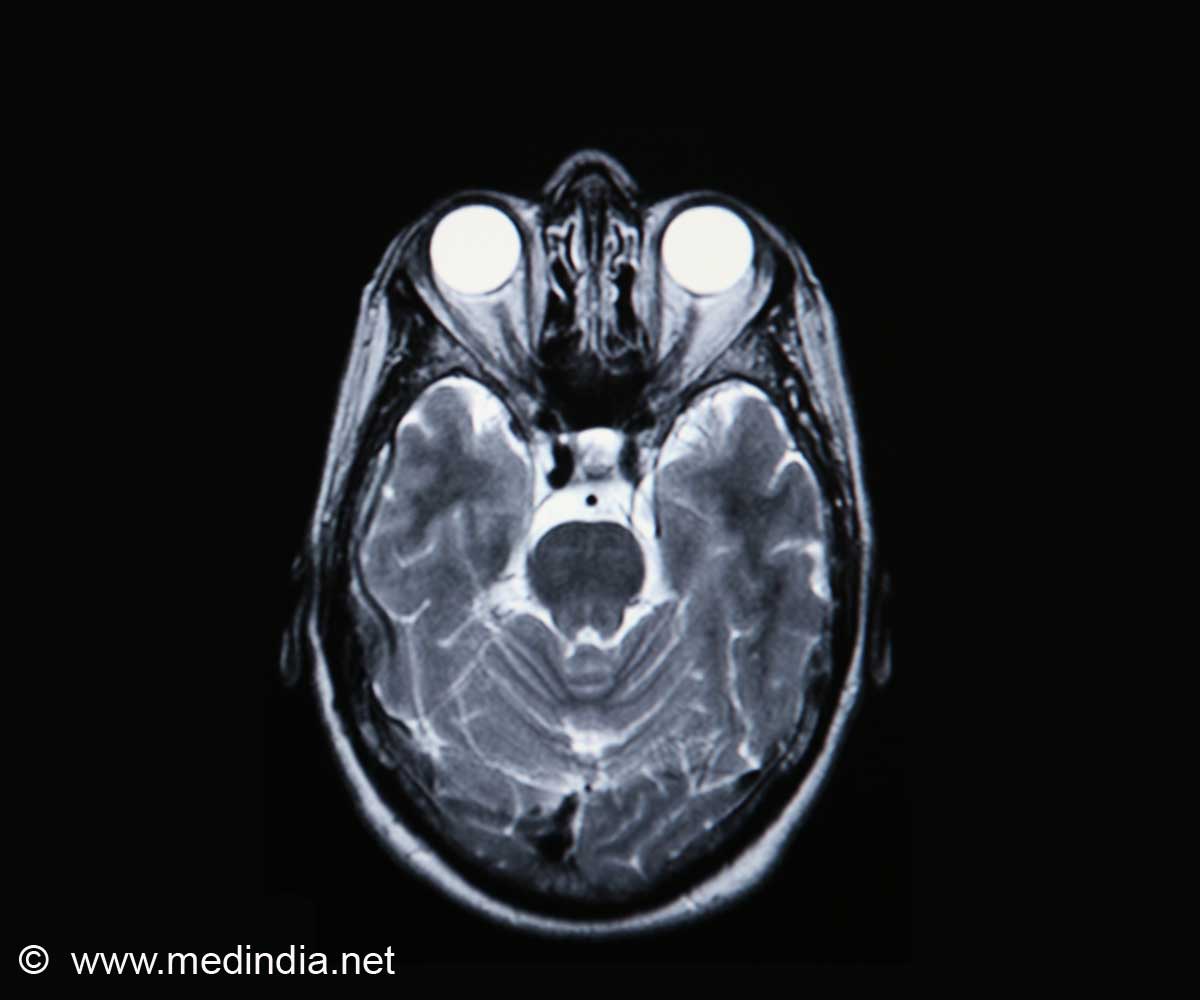
Researchers at Lund University in Sweden have found a way to produce diseased, aging brain cells on a large scale in a cell culture dish.
Researchers at Lund University in Sweden have found a way to produce diseased, aging brain cells on a large scale in a cell culture dish.
TOP INSIGHT

The infralimbic cortex (IL) plays an important role in the suppression of addictive behavior, shows the study.
The infralimbic cortex, a part of the prefrontal cortex located toward the front of the head, is responsible for forming habits and regulating behavior. Think of it as a mental green light or a check on destructive or embarrassing tendencies.
Researchers already knew about that role, but they were unsure how it controlled cravings and other habit-forming behaviors--or whether the infralimbic cortex could be manipulated to temper impulses. The UI team worked with a group of rats that were administered cocaine when they pressed a lever with their paws; the rats did so for two hours per day over the course of two weeks.
Does Radiation Therapy Cause Atrophy to Brain Cortex?
Radiotherapy done to just one region of the brain causes cortical thinning. This might affect the thickness of the other regions in the brain.
Radiotherapy done to just one region of the brain causes cortical thinning. This might affect the thickness of the other regions in the brain.
A second group of rats followed the same regimen as the control group and were allowed to use cocaine for two weeks. However, in this second group, the researchers turned off neurons in the rats' infralimbic cortex just as the animals pressed the drug-dispensing lever. By silencing those neurons for a period of 20 seconds every time the rats pressed the lever, the researchers in effect prevented the rats from learning to curb their drug appetite. The rats' cravings remained as intense as in the beginning of the experiment, even though they weren't receiving the drug.

Brains Function Better Only When You Exercise
Different levels of exercise intensity, as well as different types of exercise, or exercise paired specifically with cognitive tasks, affect the brain.
Different levels of exercise intensity, as well as different types of exercise, or exercise paired specifically with cognitive tasks, affect the brain.
The researchers silenced the neurons in the rats' brains for the first five days of the cocaine-less two-week period. They found that these five days had a major impact on how effectively rats learned and began to adapt to the drug's absence. The rats whose neurons were silenced were more likely to relapse than those that underwent withdrawal, the study found.

New Research from Large-scale Production of Brain Cells
It is still hard to find what drives diseases such as Alzheimer's and Parkinson's.It is impossible to examine a living brain cell in someone who is affected by the disease.
It is still hard to find what drives diseases such as Alzheimer's and Parkinson's.It is impossible to examine a living brain cell in someone who is affected by the disease.
"No study has looked intensively at exactly how the infralimbic cortex functions, nor the importance of the first five days of treatment when it comes to curtailing drug-seeking behavior," says LaLumiere, the paper's co-author. "And while our experiments involved cocaine, we think the results could hold true for the infralimbic cortex's role in conditioning withdrawal and relapse from other addictive substances, including opioids."
Kelle Nett, Caitlin Cosme, Wensday Worth, and Subhash Gupta, all from the UI, helped perform the research and are contributing authors on the paper. John Wemmie, UI professor of psychiatry, also is a contributing author.
Source-Eurekalert
 Email
Email