MEDINDIA
 English
 हिन्दी
 Español
 français
 中文
中文
Some children who refuse to eat might have heightened senses, which can make the smell, texture and tastes of certain foods overwhelming, causing aversion and disgust.


Picky Eating Kids Tend to Develop Allergies
Children who are allowed to be picky eaters are more likely to develop allergies in later part of their life, warn scientists.
Children who are allowed to be picky eaters are more likely to develop allergies in later part of their life, warn scientists.
Zucker said, "Some children who refuse to eat might have heightened senses, which can make the smell, texture and tastes of certain foods overwhelming, causing aversion and disgust. Some children may have had a bad experience with a certain food, and develop anxiety when trying another new food or being forced to try the offensive food again."
The study appeared in the Pediatrics.
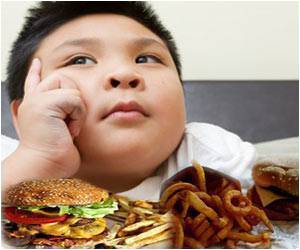
New Ways to Treat Overeating in Children
A research team is working on developing new approaches to treat overeating in children and adults.
A research team is working on developing new approaches to treat overeating in children and adults.

Conventional Behavior In Young Children is Driven by Expectations for Social Conformity
Kids are sensitive to the distinction between instrumental and conventional goals and flexibly adapt their behavior accordingly depending on reason for action.
Kids are sensitive to the distinction between instrumental and conventional goals and flexibly adapt their behavior accordingly depending on reason for action.
 Email
Email