MEDINDIA
 English
 हिन्दी
 Español
 français
 中文
中文
Have Celebrities helped in destigmatizing out-of-wedlock childbirth? It has been found that the numbers had increased from 4% in 1940 to 41% in 2009.
Teenage Pregnancy and Violence in Ebola Times
A chaste new set of social norms are being followed by people of Ebola-hit Sierra Leone, where touching and kissing are a definite no-no .
A chaste new set of social norms are being followed by people of Ebola-hit Sierra Leone, where touching and kissing are a definite no-no .
TOP INSIGHT

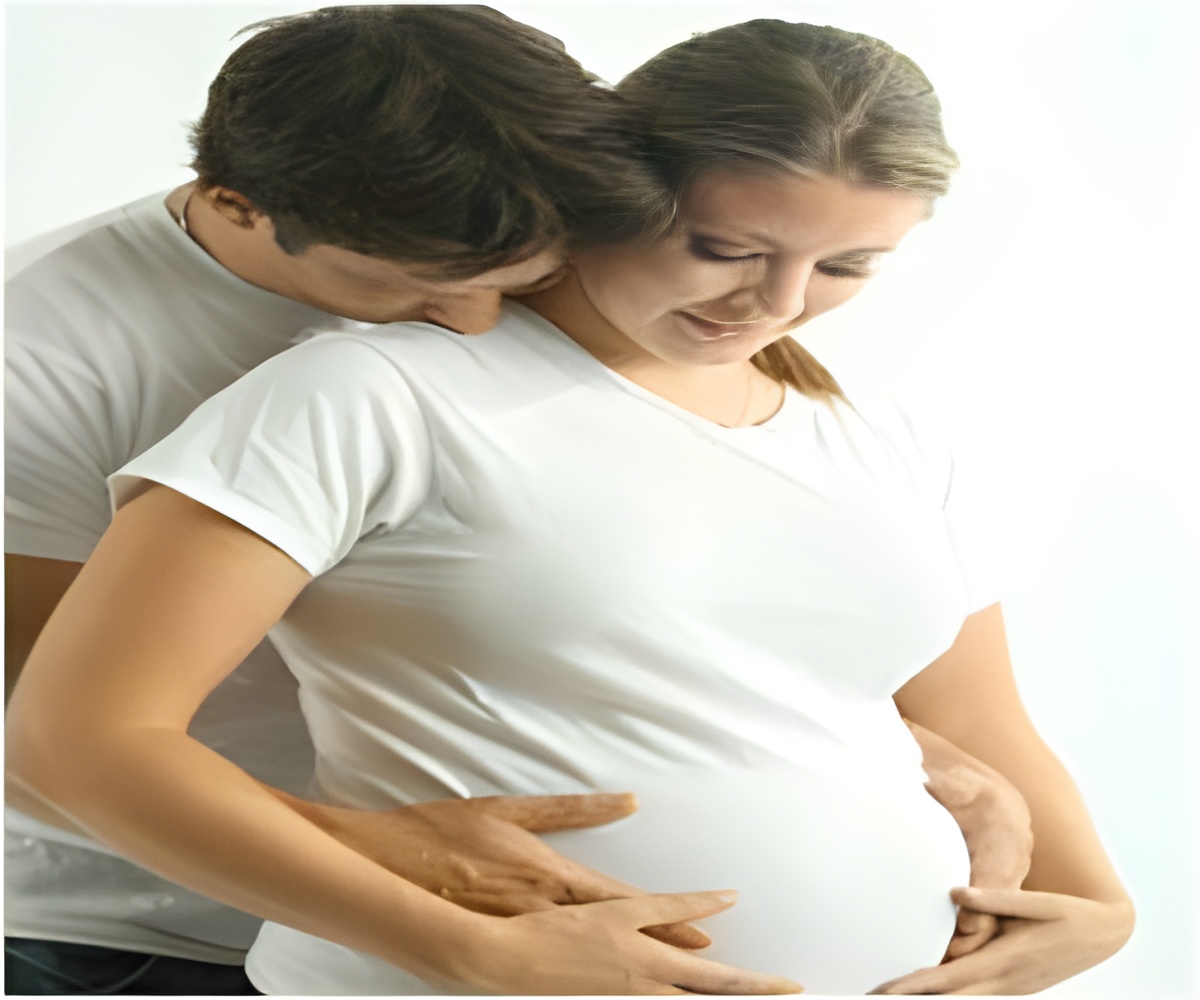
"Especially since the 2000s, when news about celebrity pregnancies became much more common, it seems very possible that celebrity culture has helped to destigmatize non-marital fertility, especially among white, middle-class women." said Hanna Grol-Prokopczyk, lead author the paper
Most research trying to account for this increase has focused on economic and cultural factors, but Grol-Prokopczyk wondered how celebrities might be affecting that 10-fold rise.
"No one has actually tested whether celebrities, in fact, engage in more out-of-wedlock childbearing than the general public," she says. "This is an important question to address because the power of celebrity culture to shape all kinds of decisions, including childbearing-related decisions, is often under-acknowledged."
Teenage Pregnancy can Set a Trend in the Family
Girls seem to follow the footsteps of their elder sisters, especially if they had children during their teens.
Girls seem to follow the footsteps of their elder sisters, especially if they had children during their teens.
With People magazine as her yardstick for reports of celebrity pregnancy, Grol-Prokopczyk analyzed each cover that showed a celebrity pregnancy or baby and coded that cover - beginning with the debut issue in 1974 through the end of 2014 -- noting the parent's relationship status at the time of the pregnancy announcement and the time of the child's birth.

Parents More Worried About Children�s Education Fees Than Teenage Pregnancy and Drugs
A study has shown that parents are more worried about the rising cost of their children's education than the dangers of drugs and teenage pregnancy.
A study has shown that parents are more worried about the rising cost of their children's education than the dangers of drugs and teenage pregnancy.
First and most generally, celebrity news travels quickly and pervasively.

Effective Use of Contraception Can Cut Teenage Pregnancy
The effective use of contraception once becoming sexually active is the best way to avoid unwanted pregnancy during adolescence.
The effective use of contraception once becoming sexually active is the best way to avoid unwanted pregnancy during adolescence.
Second, People magazine is one the most widely read magazines in the United States, and has for at least most of the last ten years been the country's most popular weekly, reaching as many as 40 million readers with each issue.
People's website is also a heavily trafficked companion to its print edition with over 70 million unique monthly visitors.
And third, People has maintained over the course of its publication history a reputation for providing trustworthy coverage by avoiding fictional stories or reporting gossip as news.
Although Grol-Prokopczyk's findings suggest that celebrities have fewer babies out of wedlock than the full population, she says comparing those two groups might not be entirely fair.
"If you compare celebrities to just white Americans - which could make sense given that until recently People magazine has disproportionally depicted white celebrity parents on its covers - you find that celebrities have the same rates of non-marital fertility," she says.
The findings, however, curiously return to Quayle's comments from the early '90s when comparing white celebrities with non-celebrities who have at least some college education.
In this case, celebrities have had higher rates of non-marital childbearing.
"If you think about Dan Quayle's social milieu, he was probably most worried about the nuclear family being threatened among the white middle class. Quayle's remarks about Murphy Brown included his observation that the character 'epitomizes today's intelligent, highly paid, professional woman,'" says Grol-Prokopczyk.
And the findings indicate that celebrities were having more babies out of wedlock when compared to white women with college education.
Grol-Prokopczyk also found that most celebrities featured on People magazine's covers who got pregnant while unmarried did not marry before the child's birth. Since the mid-2000s, many have declared themselves, "engaged."
Instead of "shotgun weddings," Grol-Prokopczyk sees this as modeling what she calls "shotgun engagements," which if imitated in the general population could have contributed to a substantial rise of non-marital fertility in the U.S.
"Especially since the 2000s, when news about celebrity pregnancies became much more common, it seems very possible that celebrity culture has helped to destigmatize non-marital fertility, especially among white, middle-class women."
Source-Eurekalert
 Email
Email