MEDINDIA
 English
 हिन्दी
 Español
 français
 中文
中文
Adults with cerebral palsy (CP) have an increased prevalence of mental health disorders, finds a new study.

Cerebral Palsy in Children: Cord Blood Improves Motor Skills and Brain Connectivity
Children with cerebral palsy infused with their own umbilical cord blood cells showed improvement in motor function and brain connectivity.
Children with cerebral palsy infused with their own umbilical cord blood cells showed improvement in motor function and brain connectivity.
TOP INSIGHT

Physicians caring for adults with cerebral palsy need to be conscious of the increased prevalence of mental health disorders in this patient population
Read More..
"Much of the research regarding cerebral palsy focuses on childhood. However, with modern treatment advances, many of these children grow up to be adults," says Whitney, the study's lead author.
"Unfortunately, far less is known about the health and clinical care needed to promote healthy aging throughout the adult lifespan for this patient population."

World Cerebral Palsy Day 2016
World Cerebral Palsy (CP) Day is held on the first Wednesday each October to raise awareness of CP and the issues that affect people with CP.
World Cerebral Palsy (CP) Day is held on the first Wednesday each October to raise awareness of CP and the issues that affect people with CP.
In the study, Whitney and Peterson focus on mental health in adults with cerebral palsy and find that the patient population experiences an elevated prevalence of mental health disorders.

Enhancing Quality of Life for Victims of Cerebral Palsy
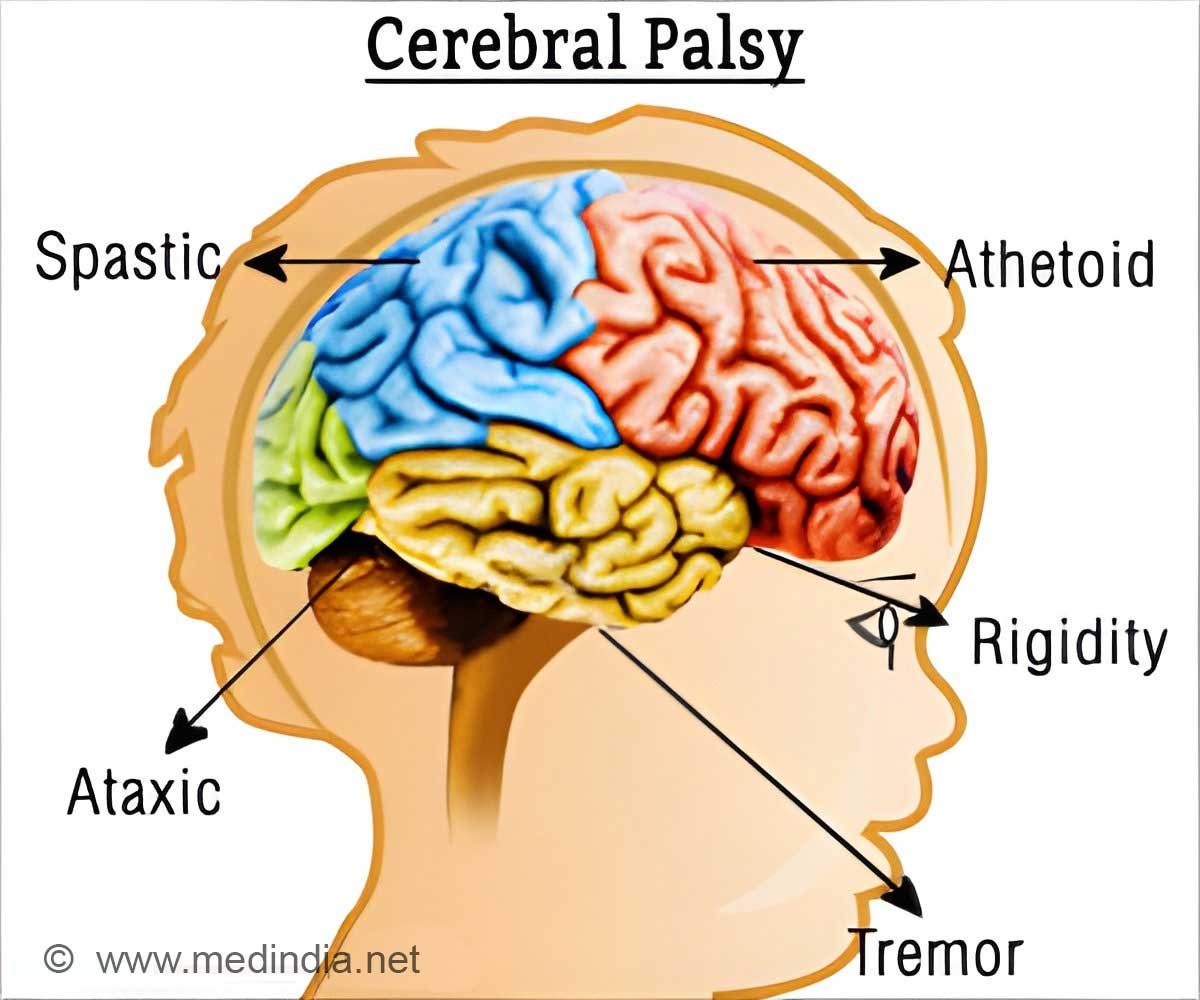
Cerebral Palsy is a medical condition that arises due to a permanent injury to the brain. This injury normally occurs when the woman is expecting, during the course of delivery, or soon after birth.
Cerebral Palsy is a medical condition that arises due to a permanent injury to the brain. This injury normally occurs when the woman is expecting, during the course of delivery, or soon after birth.
Examining data

Adults with Cerebral Palsy More Likely to Suffer Mental Health Problems
Adults with cerebral palsy (CP) are at a higher risk of developing mental health disorders, reveals a new study.
Adults with cerebral palsy (CP) are at a higher risk of developing mental health disorders, reveals a new study.
"We found that adults with cerebral palsy had a higher age-standardized prevalence of mental health disorders compared to adults without cerebral palsy," Whitney says.
More specifically, the research team found male adults with cerebral palsy had higher prevalence of schizophrenic disorders (2.8% vs. 0.7%), mood affective disorders (19.5% vs. 8.1%), anxiety disorders (19.5% vs. 11.1%) and disorders of adult personality and behavior (1.2% vs. 0.3%), compared to their male adult counterparts.
"Female patients with cerebral palsy also exhibited a similar or higher prevalence of those mental health disorders versus their female counterparts," Peterson says.
The research team did find one exception.
"We found that adult males with cerebral palsy exhibited higher rates of alcohol and/or opioid-related disorders compared to their male counterparts, whereas women with cerebral palsy did not exhibit higher rates of these disorders compared to their female counterparts," Peterson says.
Future implications
Whitney and Peterson agree that the results of this study demonstrate the need for additional focus on the mental health care of adults with cerebral palsy.
"Clinicians caring for adults with cerebral palsy need to be aware of the increased prevalence of mental health disorders in this patient population," Peterson says.
Whitney agrees, "We hope this study highlights the need for improved mental health screenings and access to mental health services and resources for these patients."
Source-Eurekalert
 Email
Email