When it comes to cancerous mutations, cells in soft tissues exhibit fewer irregularities than their stiffer somatic brethren in the lungs or bone.

Breast Cancer - Prevention and Management with Lifestyle Changes
Lifestyle choices may or may not cause breast cancer but healthy lifestyle changes can open up avenues beyond breast cancer. Good habits will allow one to fight breast cancer and to live with dignity.
Lifestyle choices may or may not cause breast cancer but healthy lifestyle changes can open up avenues beyond breast cancer. Good habits will allow one to fight breast cancer and to live with dignity.
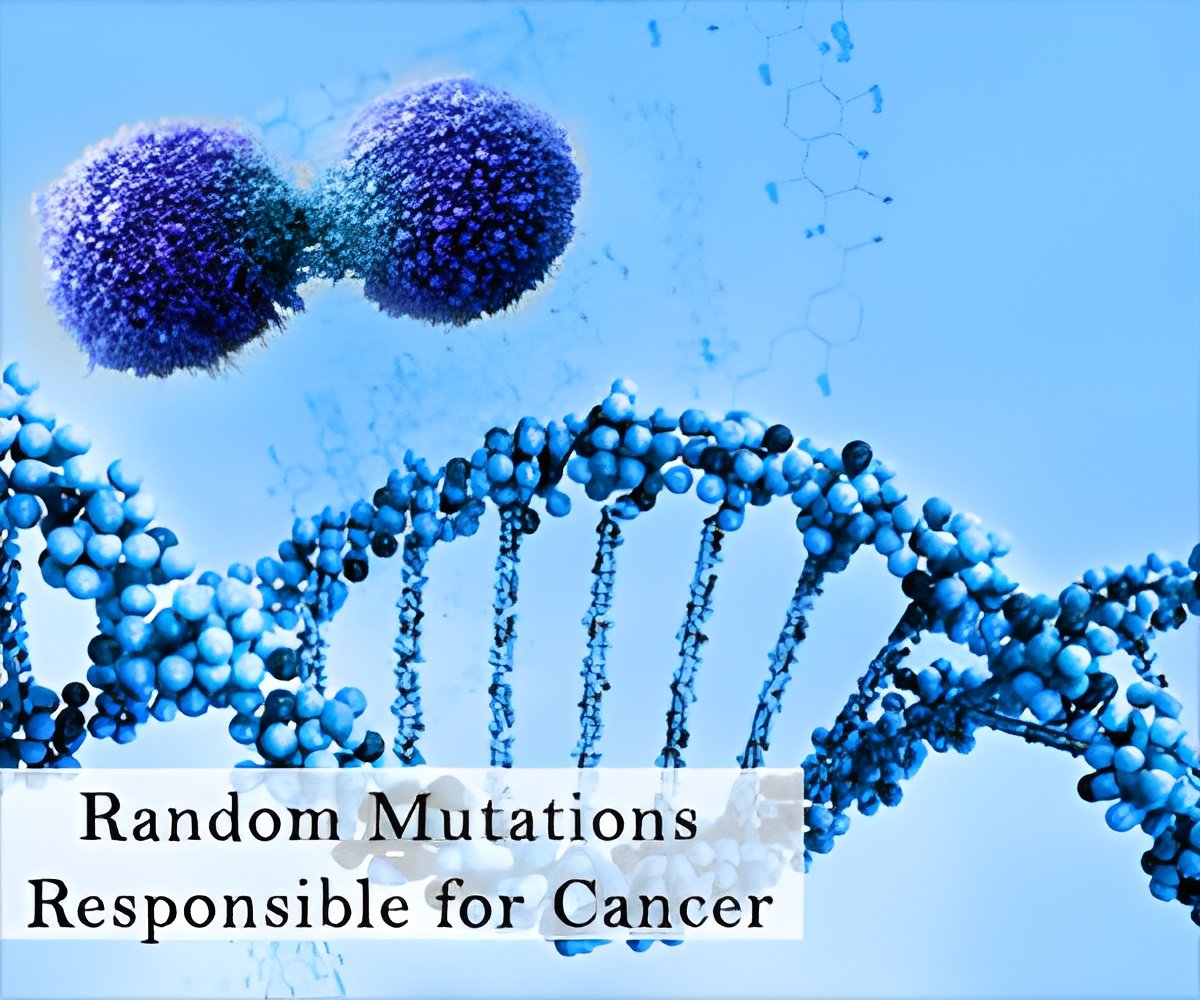
‘Tumors arising in stiff tissues, such as the human lung and bone, exhibit mutation rates and chromosome variations around 100 times higher than those in soft tissues, such as marrow and brain.’





"Basically, we hypothesize that stiffer tissues with their denser matrix and smaller constrictions cause more nucleus deformation that damages the nucleus," said Jerome Irianto, a postdoctoral researcher in the lab of Dennis E. Discher, Director of the Physical Sciences in Oncology Center at UPenn. Irianto and his colleagues present their work this week at the Biophysical Society's 60th Annual Meeting in Los Angeles, CA. To examine this, the researchers had two cancer cell lines - one derived from lung tissue and the other from bone - migrate through thin plastic filters with 3-micrometer pores that are only about one-fifth of the diameter of the nuclei. When the cells migrate and force their way through the pores over a 24-hour period, they deform and accumulate DNA damage; larger, 8-micrometer pores do not cause such damage.
In further experiments, the researchers expressed in these cells DNA repair proteins that usually diffuse around the DNA to search out breaks. Then they pulled individual nuclei into small pores to mimic the migration and observed what happened by tagging the repair proteins with green fluorescent protein.

Current Treatments for Liver Cancer | Hepatoma | Hepatocellular Carcinoma
Current Treatments for Liver Cancer (also known as hepatoma or hepatocellular carcinoma) can result in complete cure of the disease if it is detected early.
Current Treatments for Liver Cancer (also known as hepatoma or hepatocellular carcinoma) can result in complete cure of the disease if it is detected early.
Irianto said, "What we are addressing right now is whether this constricted migration with molecular damage and segregation will translate to genomic instability, which is a 'hallmark' of cancer. Cancer needs to invade to spread, and that invasion could itself cause mutations."
Advertisement
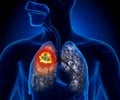
Lung Cancer - Types, Causes, Symptoms, Diagnosis, Treatment and Prevention
Lung cancer is a malignant tumor in the lung tissues. Smoking is the main cause of lung cancer with symptoms like recurrent respiratory diseases.
Lung cancer is a malignant tumor in the lung tissues. Smoking is the main cause of lung cancer with symptoms like recurrent respiratory diseases.

About Pre Cancerous Lesions
Encyclopedia section of medindia gives general information about Pre Cancerous Lesions
Encyclopedia section of medindia gives general information about Pre Cancerous Lesions