MEDINDIA
 English
 हिन्दी
 Español
 français
 中文
中文
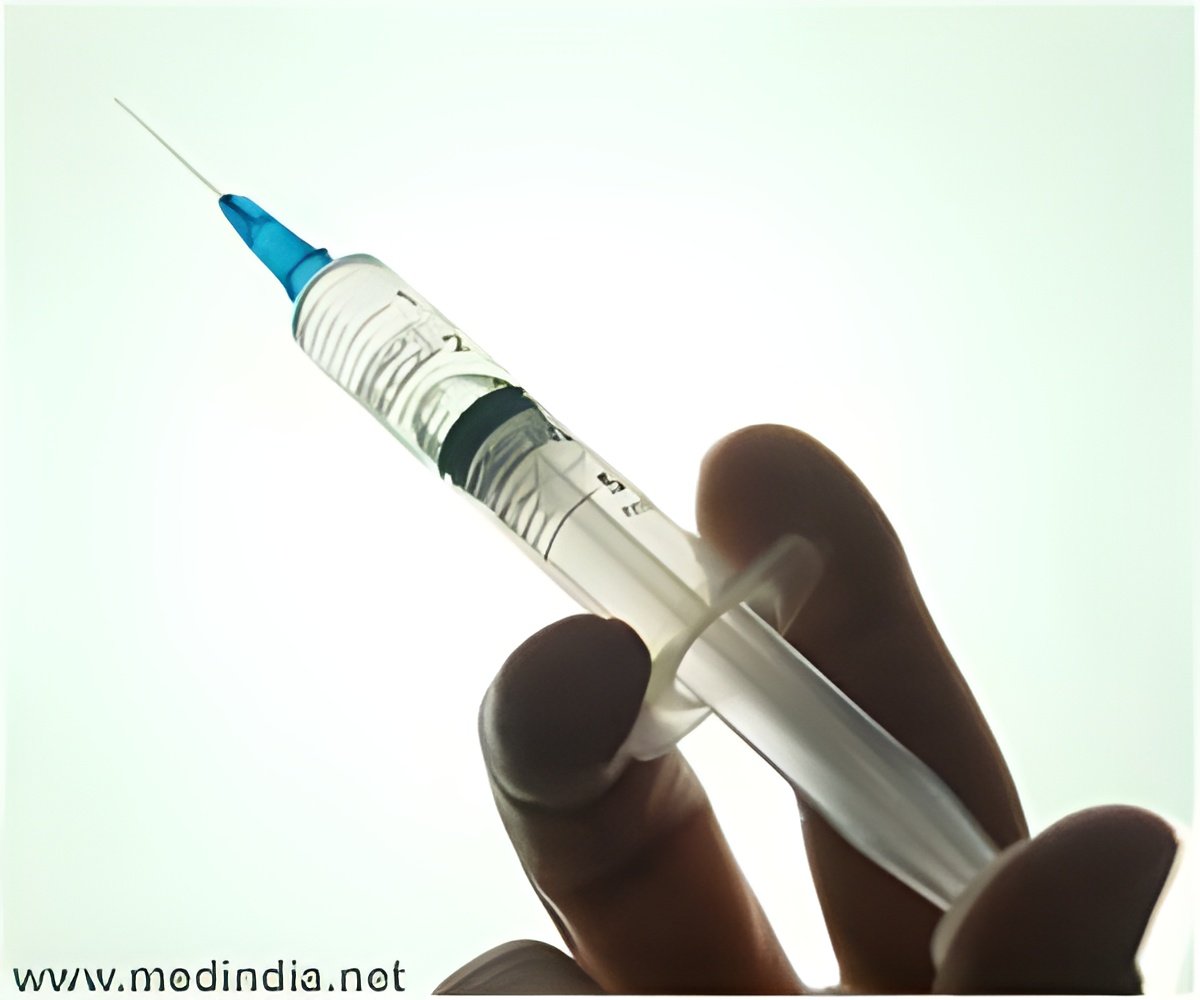
Researchers have found that a vaccine, targeting tumors that produce a certain protein and receptor could initiate the immune response to fight cancer.
Uterine Cancer / Endometrial Cancer - Symptoms - Risk Factors – Prognosis - Treatment
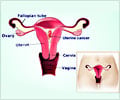
Uterine Cancer or Cancer of the Uterus (or Endometrial Cancer) refer to cancers affecting the uterus or the womb in women. Learn about the different types of uterine cancer, symptoms, staging, diagnosis, prognosis, treatment, survival rates and news on uterine cancer.
Uterine Cancer or Cancer of the Uterus (or Endometrial Cancer) refer to cancers affecting the uterus or the womb in women. Learn about the different types of uterine cancer, symptoms, staging, diagnosis, prognosis, treatment, survival rates and news on uterine cancer.
"Recently, human Interleukin-15 (IL-15) has entered clinical trials for treatment of patients with melanoma, a type of skin cancer, and renal cancer. In this study, we examined the effectiveness of a vaccination targeting tumors that produced IL-15 and its cell surface receptor called IL-15R-alpha () and examined their ability to up-regulate (or increase) immune responses to tumor antigens," Morris says. "We showed that the presence of both IL-15 with its receptor IL-15Rα increased the cell-surface production and secretion of IL-15, and in turn, stopped tumor cells from reproducing."
Researchers used IL-15 to develop a whole tumor cell vaccine to target breast (TS/A) and prostate (TRAMP-C2) cancer cells in animal models; results showed that tumor cells stopped growing after the vaccine was introduced and that beneficial effects were enhanced further when IL-15Rα was co-produced by the vaccine cells.
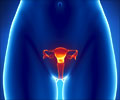
Vulvar Cancer - Symptoms - Diagnosis - Treatment - FAQs
Vulvar cancer is a rare cancer that can occur at any age. Vulvar squamous cell carcinoma is the most common type. HPV infection increases the risk of vulvar cancer.
Vulvar cancer is a rare cancer that can occur at any age. Vulvar squamous cell carcinoma is the most common type. HPV infection increases the risk of vulvar cancer.
"IL-15 is a powerful pro-inflammatory protein that can enhance immune responses," he says. "Our findings suggest that genetically altering tumor cells to produce IL-15 and IL-15Rα can cause and enhance immune responses to tumor antigens found in these tumor cells and can be used as a vaccine to target these antigens."
Why is Health Screening in Women between 40 and 60 years of age important?
Health screening in women between 40 and 60 years helps to diagnose health issues in the early stages when they can be controlled. This ensures a more comfortable old age.
Health screening in women between 40 and 60 years helps to diagnose health issues in the early stages when they can be controlled. This ensures a more comfortable old age.
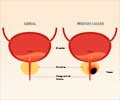
Prostate Cancer | Cancer of Prostate - Incidence, Prevention, Causes, Symptoms & Treatment
This cancer affects men over the age of 50 years and screening with rectal examination and PSA can help both in early detection and effective treatment
This cancer affects men over the age of 50 years and screening with rectal examination and PSA can help both in early detection and effective treatment
 Email
Email