MEDINDIA
 English
 हिन्दी
 Español
 français
 中文
中文
Where you live might decide when you hit menopause—Harvard study reveals a strong link between neighborhood vulnerability and early menopause onset.
Neighborhood Vulnerability and Age of Natural Menopause and Menopausal Symptoms Among Midlife Women
Go to source).

Dealing with Menopause Symptoms Through Lifestyle Changes
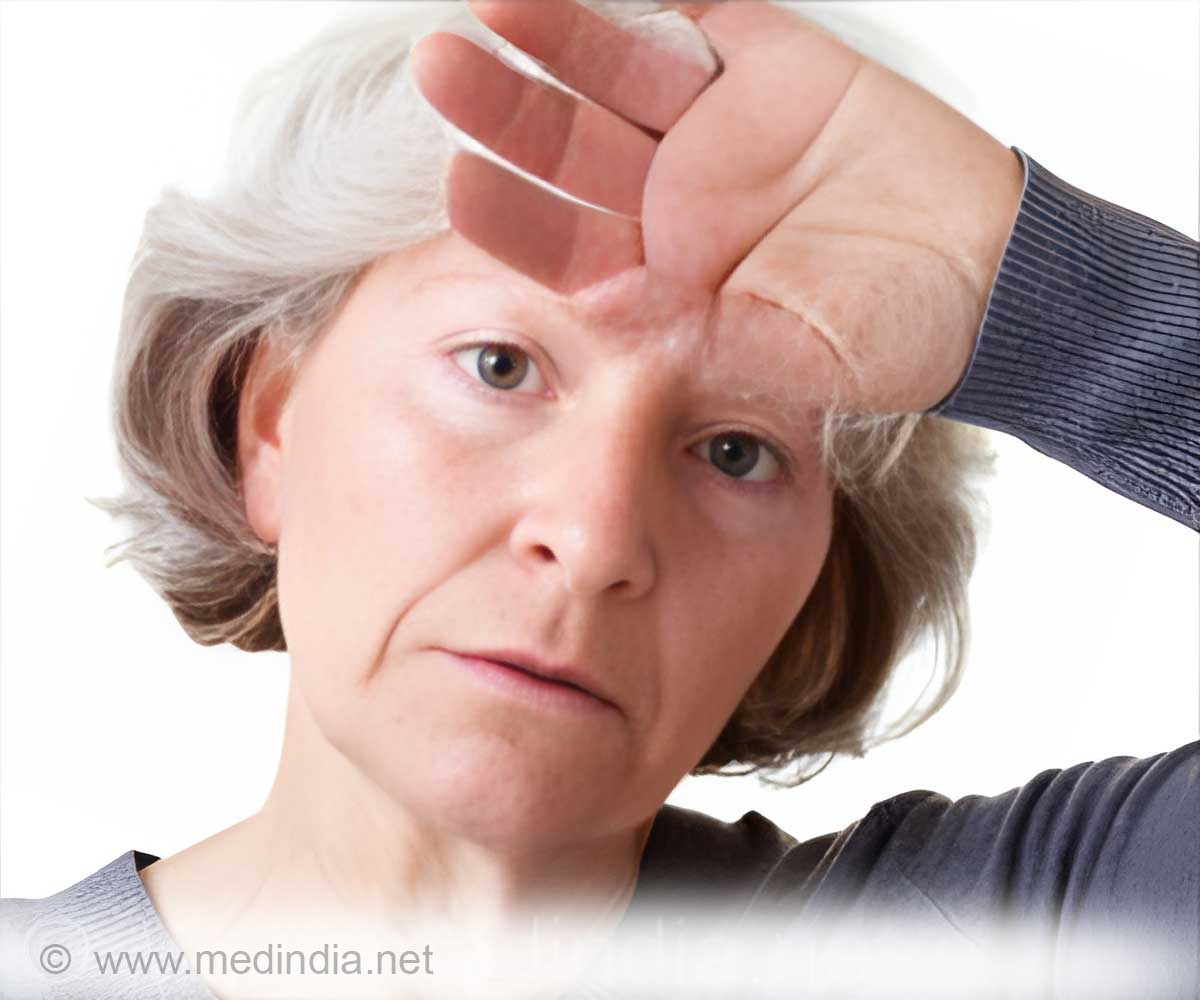
You can deal with menopause symptoms such as hot flashes, weight gain and forgetfulness by making simple lifestyle changes.
You can deal with menopause symptoms such as hot flashes, weight gain and forgetfulness by making simple lifestyle changes.
TOP INSIGHT

Did You Know?
Living in high-risk neighborhoods may lead to menopause 2 years earlier—changing your street could change your health .
#medindia #womenshealth #earlymenopause #publichealth #neighborhoodimpact
“Your Address May Be Aging You” – The Link Between Place and Periods
Women who lived in highly vulnerable neighborhoods, especially within 10 years of entering perimenopause, reached Menopause around 2 years earlier than others. The key drivers? Low income, poor housing, and family stress. The Social Vulnerability Index (SVI) was used to measure how much disadvantage was present in these neighborhoods. It’s not just a statistic—it’s a warning signal that your surroundings matter more than we thought.
Menopause Weight Gain - Simple Tips to Deal with It
Menopause and weight gain in menopause often go hand in hand. But with simple lifestyle changes, menopause weight gain can be easily managed.
Menopause and weight gain in menopause often go hand in hand. But with simple lifestyle changes, menopause weight gain can be easily managed.
“Too Soon to Stop” – Why Early Menopause Is More Than Just Timing
Menopause isn’t just the end of monthly cycles—it’s the start of a new health chapter. Women who go through menopause early are at higher risk for heart disease, stroke, and early death. In fact, for every year earlier it happens, there’s a 2–3% rise in long-term health problems. That means where you live can quietly add to the burden on your heart, brain, and bones.
Hormonal Evidence of Menopause Found in Wild Chimps
Similar to humans, some female chimpanzees lived past 50. A female reaching adulthood at 14 was post-reproductive for about one-fifth of her adult life.
Similar to humans, some female chimpanzees lived past 50. A female reaching adulthood at 14 was post-reproductive for about one-fifth of her adult life.
“Same Symptoms, Different Streets” – Why Not All Menopause Symptoms Are About Location
While neighborhood disadvantage did affect menopause timing, it didn’t make symptoms worse. Whether you had hot flashes, mood swings, or sleep problems, the severity didn’t change based on your area. This finding was unexpected—and it shows that while your neighborhood may speed up menopause, how you feel during it might depend more on personal health, not geography.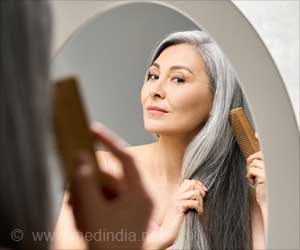
Natural Supplements Help Reverse Hair Loss During Menopause
Hair loss among middle-aged women that occurs due to menopausal hormonal transition can be treated with nutraceutical supplements.
Hair loss among middle-aged women that occurs due to menopausal hormonal transition can be treated with nutraceutical supplements.
“Not Set in Stone” – How Communities Can Help Delay the Clock
The good news? These effects aren’t permanent. The researchers say that neighborhood conditions can be improved—through better housing, more community support, and access to health care. If local leaders and public health experts work together, we might be able to protect women from early menopause and its long-term risks. Small changes in the neighborhood could lead to big changes in women’s health.“From Pregnancy to Menopause” – How Project Viva Tracked the Full Journey
This wasn’t just a quick snapshot. The study followed 691 women for over two decades—from pregnancy through midlife. It used detailed address tracking and personal health data to create a clear picture of how life circumstances affect menopause. The message is loud and clear: Reproductive health is deeply tied to your environment. And with long-term data, researchers now have proof that changing the system can change the outcome.References:
- Neighborhood Vulnerability and Age of Natural Menopause and Menopausal Symptoms Among Midlife Women - (https://jamanetwork.com/journals/jamanetworkopen/fullarticle/2834359)
Source-Harvard Pilgrim Health Care Institute
 Email
Email