MEDINDIA
 English
 हिन्दी
 Español
 français
 中文
中文
Kitchen spices like nutmeg and poppy seeds, when ingested in excess, as well as indoor ornamental plants, cause negative health issues.
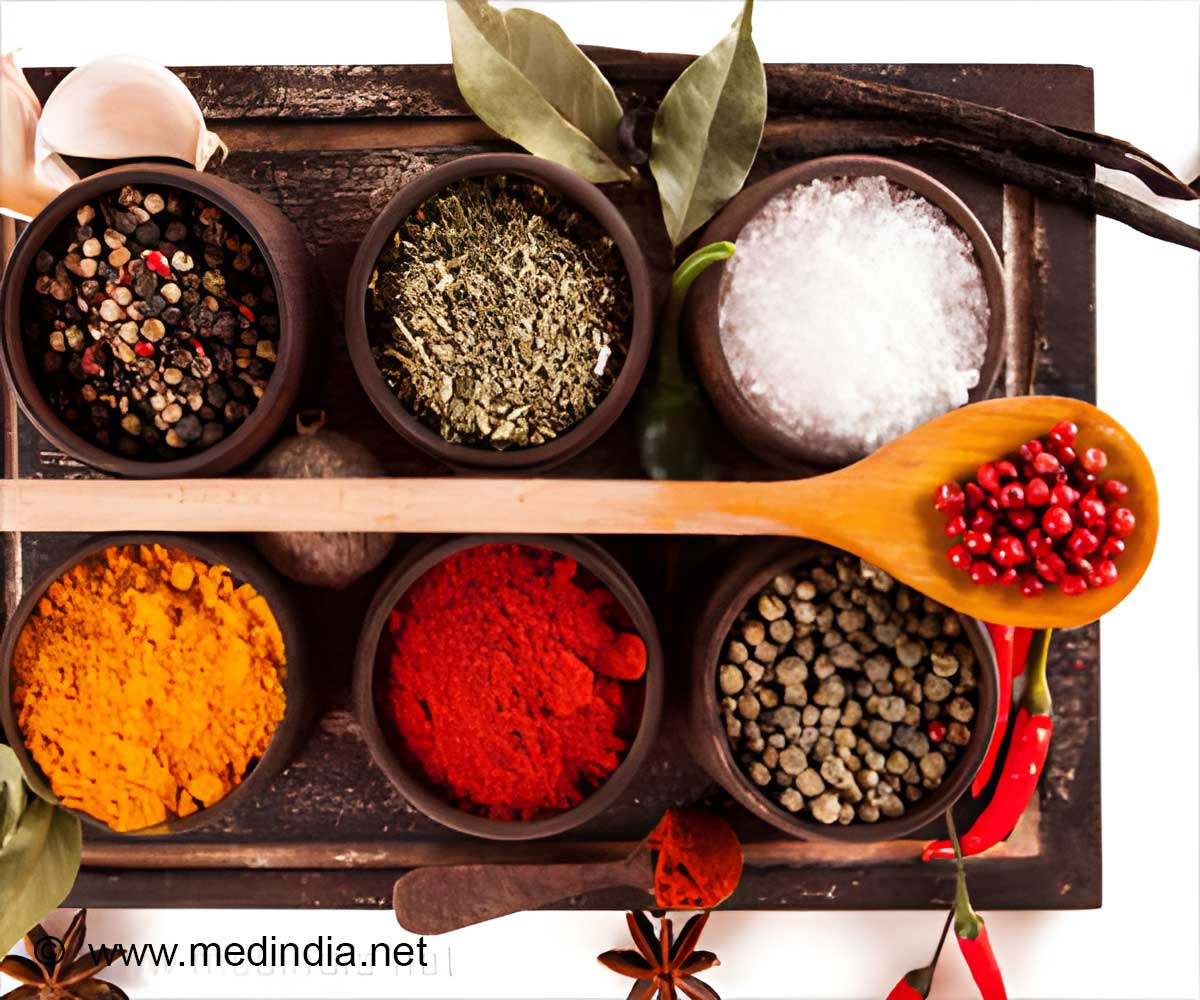
Be Mindful of your Extra Pinch of Spices!
“The safe limit of jaiphal consumption is up to 5gm daily. Overdose can cause vomiting, hallucination and increased heartbeat,” said Ashutosh Kumar. Similarly, he said, commonly used household spice, which is used in ayurvedic medicines, small and big ‘harad’ can cause hypoglycaemia and skin bruising.
Can Herbs And Spices Make You Stay Fit and Healthy?
Spices are powerhouses of flavor, contains health enhancing properties and have the crucial benefits of being calorie and fat free.
Spices are powerhouses of flavor, contains health enhancing properties and have the crucial benefits of being calorie and fat free.
TOP INSIGHT

Take additional care when consuming kitchen spices and handling indoor ornamental plants, both of which can be harmful to your health. #kitchenspices #indoorplants #negativeimpacts
Indoor Plants are Pleasant to the Eyes But May be Toxic to Health!
Meanwhile, Fatima Harsha said that people should also be careful with some indoor and outdoor ornamental plants like the sago palm plant. It contains cytosine toxin which, if consumed can cause gastric distress and liver failure (1✔ ✔Trusted SourceCommon Poisonous Houseplants: Home
Go to source).
"Other plants such as philodendron, dieffenbachia, arrowhead, monstera, pothos (money plant), jade, ZZ plant, peace lily and anthurium contain a toxic substance called calcium oxalate which can cause skin irritation, eye irritation, swelling of lips, tongue and mouth, oral paraesthesia and gastric symptoms like nausea, vomiting and diarrhoea. It can also result in hypoglycaemia and renal damage. Similarly, the snake plant contains saponin chemicals that can cause swelling of mouth and lips and gastric distress,” she said.
Reference:
- Common Poisonous Houseplants: Home - (https://libguides.nybg.org/poisonoushouseplants)
Top Ten Health Problems You can Solve with Herbs and Spices
Naturally available spices and herbs can help treat plenty of everyday ailments and health problems in the form of home remedies. These are safe and cheap.
Naturally available spices and herbs can help treat plenty of everyday ailments and health problems in the form of home remedies. These are safe and cheap.

Select the Right Indoor Plants and Avoid Sick Building Syndrome
Indoor air pollution is a lesser known entity but it can make you feel sick. bromeliad indoor plants lower the level of volatile organic pollutants.
Indoor air pollution is a lesser known entity but it can make you feel sick. bromeliad indoor plants lower the level of volatile organic pollutants.

Which Plants Improve Air Quality Indoors?
Peace lily, Corn plant and fern arum are the three indoor plants that help purify air in homes and offices.
Peace lily, Corn plant and fern arum are the three indoor plants that help purify air in homes and offices.
 Email
Email