MEDINDIA
 English
 हिन्दी
 Español
 français
 中文
中文
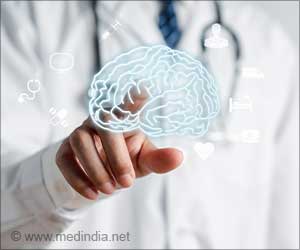
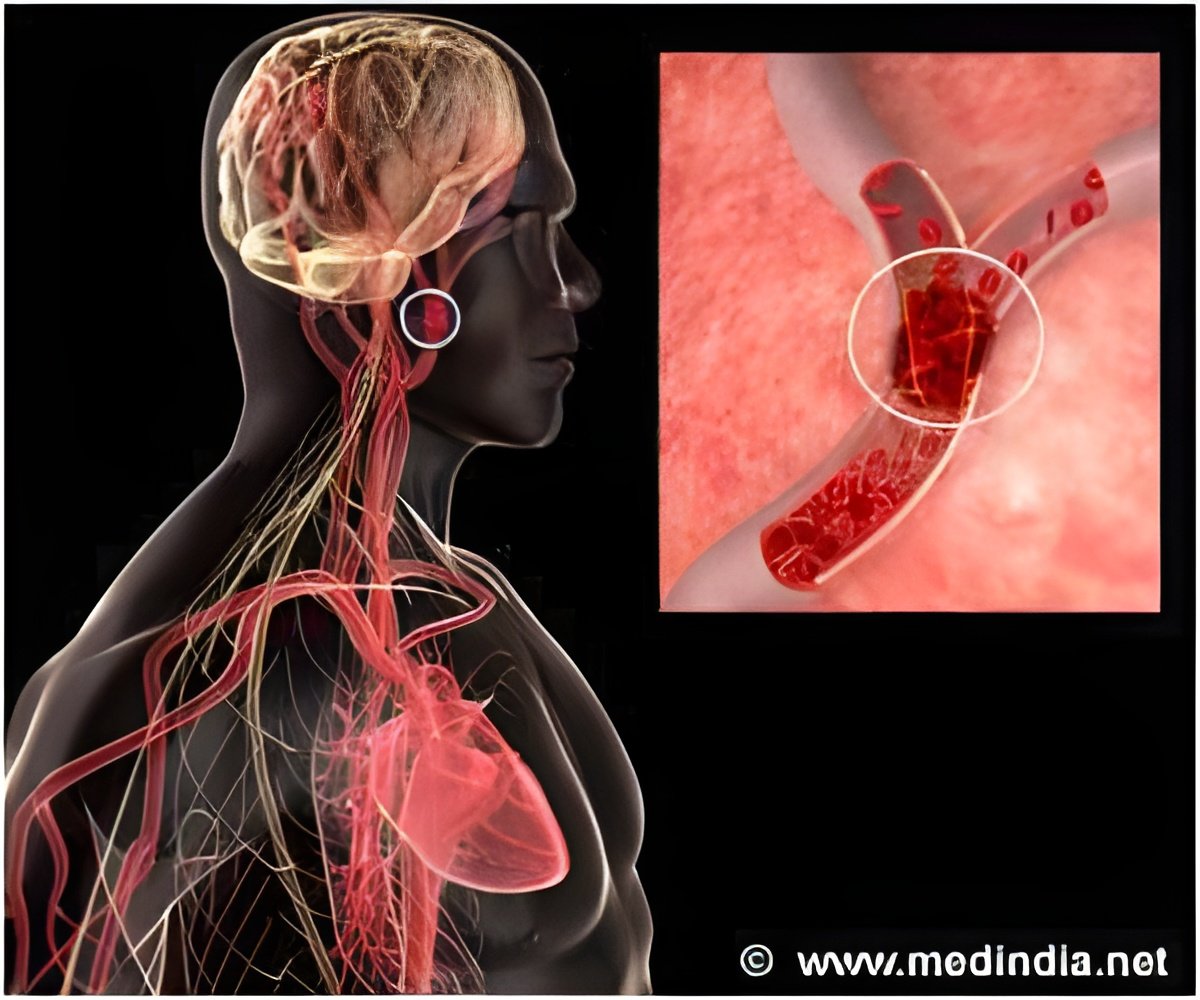
Artificial intelligence (AI) technology identifies when a patient is having a stroke caused by emergent large vessel occlusion (LVO).

Artificial intelligence in Healthcare
Artificial intelligence (AI) in healthcare is the discipline using data intensive computer based solutions to improve patient care and outcome.
Artificial intelligence (AI) in healthcare is the discipline using data intensive computer based solutions to improve patient care and outcome.
TOP INSIGHT

Getting a diagnosis quickly is critical and can be the difference between a life of disability versus rehabilitation for stroke patients.
Artificial Intelligence and Stroke
“Endovascular thrombectomy for acute ischemic stroke is one of the most effective therapies in medicine and its efficacy is critically dependent on time,” said Jason Tarpley, MD, PhD, lead author of the study and stroke medical director at the Pacific Stroke and Aneurysm Center. “Simply put, the faster we act, the better our stroke patients’ outcomes will be. Our results represent an advance that has the potential to speed up the identification of LVO stroke during the triage process at the hospital.”In the study, the AI algorithm was trained using a set of 200 scans to identify gaze direction. It then identified clinical symptoms of ipsiversive gaze deviation in 116 stroke patients with LVO, treated with EVT. The deviation was calculated by measuring the angle between the gaze direction and the midline of the brain. The algorithm correctly identified 79% of proximal occlusions with an ipsiversive gaze deviation. It had a more difficult time identifying cases with less severe symptoms.
Source-Eurekalert
 Email
Email