MEDINDIA
 English
 हिन्दी
 Español
 français
 中文
中文
Drug resistance can be averted in a subtype of brain tumors by inhibiting a specific enzyme and its regulating factor
Glioblastoma Multiforme | Astrocytoma Grade 4 - Types, Causes, Symptoms, Diagnosis, Treatment
Glioblastomas are tumors that arise from astrocytes that make up the supportive tissue of the brain. Glioblastomas are usually highly malignant.
Glioblastomas are tumors that arise from astrocytes that make up the supportive tissue of the brain. Glioblastomas are usually highly malignant.
TOP INSIGHT

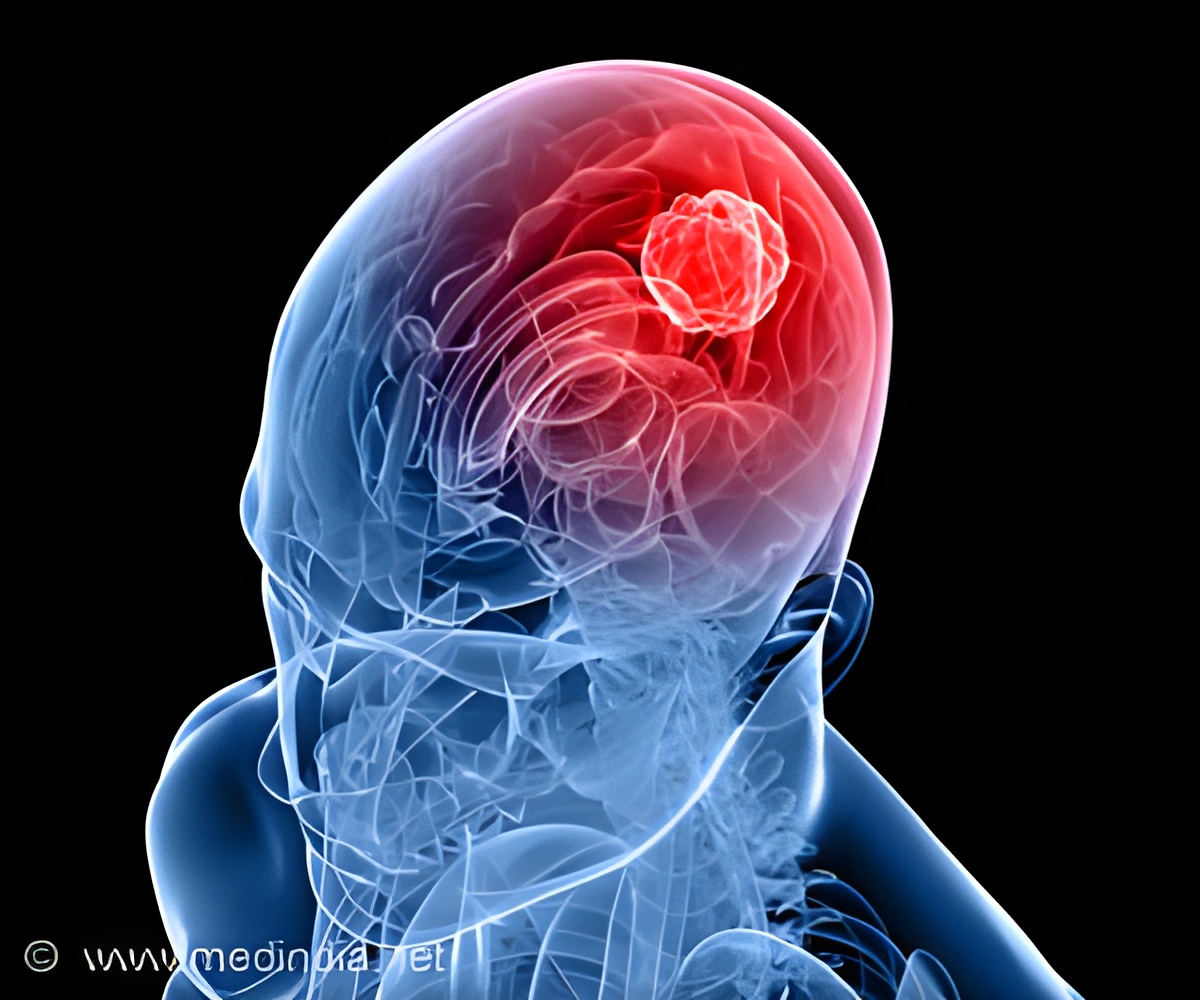
Drug resistance contributes as a key player in cancer treatment. However, the resistance can be averted in a subtype of brain tumors like glioblastomas by inhibiting a specific enzyme – Stearoyl Co-A Desaturase (SCD) and its regulating factor (FOSB). This may help rectify the failures of pre-existing SCD-inhibiting drugs in clinical trials, resulting in a targeted treatment approach.
Silencing of the SCD Pathway
Analysis of publicly available glioblastoma genetic datasets demonstrated that the SCD gene is both deleted as well as its expression suppressed through epigenetic mechanisms in a large subset of glioblastoma patients.
Brain Metastasis - Causes, Symptoms, Diagnosis and Treatment
Brain metastases are caused by the spread of primary tumors to the brain. Lung, breast, melanoma are the three main tumors that cause brain metastases.
Brain metastases are caused by the spread of primary tumors to the brain. Lung, breast, melanoma are the three main tumors that cause brain metastases.
Upon the inhibition of both the protein itself and its regulator, now the tumor cells cannot acquire resistance to the SCD inhibitor, as demonstrated by the longer survival rate of treated (SCD and FOSB inhibition-combination therapy) mice models.
Immune-Suppressing Target In Glioblastoma Identified
Tenacious subset of immune macrophages that thwart treatment of glioblastoma with anti-PD-1 checkpoint blockade has been indentified, elevating a new potential target for treating the almost uniformly lethal brain tumor.
Tenacious subset of immune macrophages that thwart treatment of glioblastoma with anti-PD-1 checkpoint blockade has been indentified, elevating a new potential target for treating the almost uniformly lethal brain tumor.
"This finding was surprising given the requirement of SCD in most cancers," says principal investigator Biplab Dasgupta, PhD, Division of Oncology.
Cancer Immunotherapy
Cancer immunotherapy is a new advancement in cancer treatment that uses certain components of a person's immune system to fight against cancer cells.
Cancer immunotherapy is a new advancement in cancer treatment that uses certain components of a person's immune system to fight against cancer cells.
The findings of present study may serve as a re-assessment tool for SCD-inhibiting drugs in clinical trials. This would help rectify the failures of pre-existing cancer treatments, resulting in targeted efficacies of drugs.
Source-Medindia
 Email
Email