MEDINDIA
 English
 हिन्दी
 Español
 français
 中文
中文
In female primates BPA exposure is associated with changes in uterus development, reveals research.
Uterine Prolapse / Prolapse of Uterus - Causes-Symptoms-Treatment
Uterine Prolapse or prolapse of the uterus is a condition when a woman’s uterus (womb) sags or slips out of its normal position. Uterine prolapse is easier to prevent than cure after its occurrence.
Uterine Prolapse or prolapse of the uterus is a condition when a woman’s uterus (womb) sags or slips out of its normal position. Uterine prolapse is easier to prevent than cure after its occurrence.
During a period that represented the third trimester of human pregnancy, Williams and her colleagues gave BPA to 12 pregnant monkeys, each carrying a single female fetus.
In the first year of the experiment, six monkeys received BPA orally in a fruit treat, at a dose of 400 micrograms per kilogram of body weight daily, the researchers said.

Quiz on Pregnancy
There is a general belief that a pregnant woman should eat for two people. How far is this true? This compilation of information, presented in the quiz, will tell you more.
There is a general belief that a pregnant woman should eat for two people. How far is this true? This compilation of information, presented in the quiz, will tell you more.
The investigators analyzed the uterus of each offspring for gene expression. Oral BPA altered expression of HOX and WNT genes that are critical for uterine development, they found.

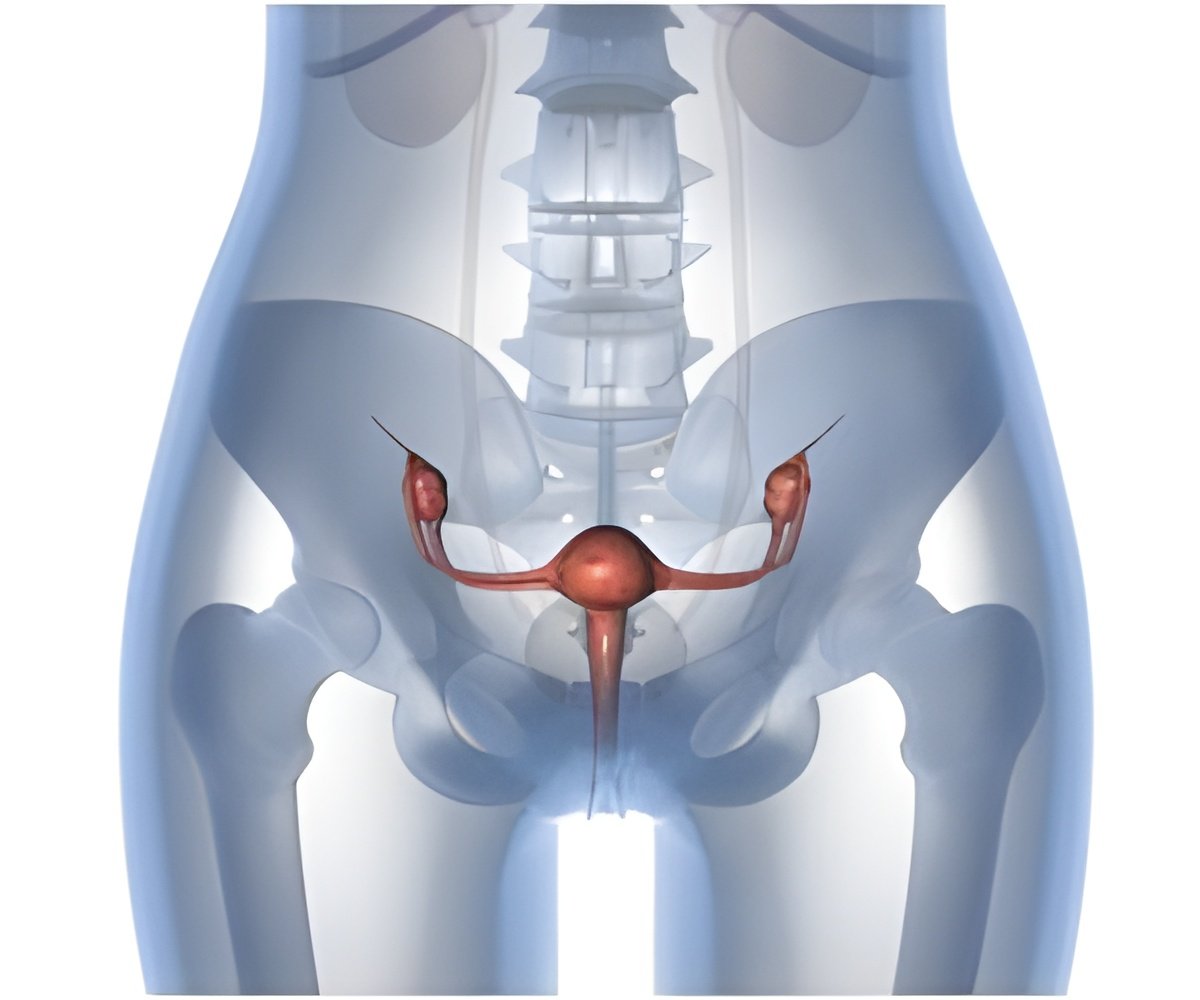
Female Reproductive System
Interactive section of Medindia gives details regarding Female reproductive system showing how the sperm fetilize the eggs
Interactive section of Medindia gives details regarding Female reproductive system showing how the sperm fetilize the eggs
The results were presented recently at The Endocrine Society's 93rd Annual Meeting in Boston.

Male Fertility Lowered by BPA
Results of a new study that was presented at The Endocrine Society''s 93rd Annual Meeting in Boston reveal that daily exposure to bisphenol A causes lowered fertility in male mice.
Results of a new study that was presented at The Endocrine Society''s 93rd Annual Meeting in Boston reveal that daily exposure to bisphenol A causes lowered fertility in male mice.
 Email
Email