MEDINDIA
 English
 हिन्दी
 Español
 français
 中文
中文
The testimony of an electronics technician Michael Williams who worked for Transocean, the Geneva-based company that owned the rig, that emergency alarms on board the
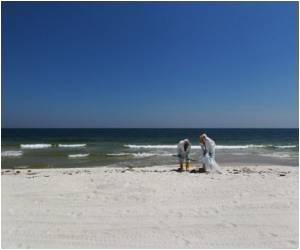

Concerns Over Health Effects Of BP Oil Spill
Six thousand barrels of oil were captured through a new technique. Meantime concerns over the health effects of the spill are growing.
Six thousand barrels of oil were captured through a new technique. Meantime concerns over the health effects of the spill are growing.
The alarm was designed to automatically shut air vents into engine rooms. During the accident, natural gas is believed to have been sucked into the engines, causing them to speed up and explode, the paper said.
He also alleged that in 2009, the system was a "wreck" when he started working on the rig with many faulty detectors, which he tried to repair, but faced problems with malfunctioning equipment.
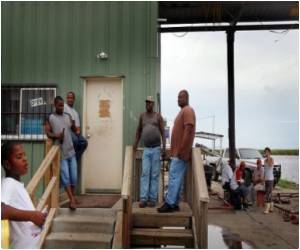
Oil Spill Prompts Rise in Depression Rates Among Gulf Residents
With the Gulf oil spill destroying livelihoods across southern Louisiana, anxiety over an uncertain future is prompting a desperate rise in depression, health officials and residents warn.
With the Gulf oil spill destroying livelihoods across southern Louisiana, anxiety over an uncertain future is prompting a desperate rise in depression, health officials and residents warn.
"The general alarm configuration on the Deepwater Horizon was intentional and conforms to accepted maritime practices, including those on some Navy and Coast Guard vessels. It was not a safety oversight or done as a matter of convenience," the company said.
Humans Face Cancer Risk from Gulf Oil Spill
A biomedical scientist has warned that the chemicals found in the gooey tar balls that are being produced as a result of the Gulf oil spill can cause cancer in humans.
A biomedical scientist has warned that the chemicals found in the gooey tar balls that are being produced as a result of the Gulf oil spill can cause cancer in humans.
Meanwhile, the British oil giant is expected to announce its chief executive Tony Hayward's exit by July 27, 2010, when the company is due to publish its interim results.
Arsenic Threat Too From Oil Spill
Oil spills can increase levels of toxic arsenic in the ocean, according to research published in the journal Water Research.
Oil spills can increase levels of toxic arsenic in the ocean, according to research published in the journal Water Research.
 Email
Email