MEDINDIA
 English
 हिन्दी
 Español
 français
 中文
中文
Which treatment is best for blood clots in cancer patients? Direct oral anticoagulant (DOAC) drugs are more cost-effective for treating cancer-associated thrombosis (CAT).

Five Alarming Cancer Symptoms Men Shouldn’t Ignore
Cancer symptoms may look like minor health issues, but cancer screening tests can help detect cancer early. Common cancers in men include prostate and lung cancer.
Cancer symptoms may look like minor health issues, but cancer screening tests can help detect cancer early. Common cancers in men include prostate and lung cancer.
TOP INSIGHT

Direct oral anticoagulant (DOAC) drugs used for blood clots have shown improved efficacy and a decreased risk of major bleeding.
For many years, injection of low molecular weight heparin has been the treatment of choice in patients who have cancer-associated thrombosis. The DOACs came on scene eight or nine years ago and are considered to have better safety and efficacy profiles.
Clinical trials have shown improved efficacy and a decreased risk of major bleeding with the DOACs, but the question is whether people will be willing to pay the additional cost to get a better outcome.
Blood Clots - Causes Symptoms Diagnosis Treatment Prevention
An abnormal blood clot forms when there is damage to the lining of an artery or stagnation of blood in a vein; it obstructs the normal circulation of blood. A clot can form even in the absence of a cut.
An abnormal blood clot forms when there is damage to the lining of an artery or stagnation of blood in a vein; it obstructs the normal circulation of blood. A clot can form even in the absence of a cut.
Then, throughout the lifetime of the patient cohort, the study examined the accumulating lifetime costs and lifetime effectiveness measured in a metric called quality-adjusted life years (QALYs).
Oral Anticoagulants are Better than Low Molecular Weight Heparin
In the base-case analysis, using the cost of drugs purchased at a federal facility such as the Veteran’s Administration, apixaban was favored as being more effective and less costly than either LMWH or edoxaban while indicating rivaroxaban was not cost-effective.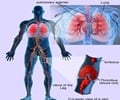
Pulmonary Embolism and Deep Vein Thrombosis / Venous Thromboembolism
Deep vein thrombosis (DVT) is a condition where blood clots develop usually in the deep veins of the legs. Pulmonary embolism (PE) occurs when these clots break away and block the pulmonary artery.
Deep vein thrombosis (DVT) is a condition where blood clots develop usually in the deep veins of the legs. Pulmonary embolism (PE) occurs when these clots break away and block the pulmonary artery.
In this scenario, if decision-makers were unwilling to spend more than $50,000 per QALY, edoxaban was favored and using the contemporary threshold for societal willingness to pay, rivaroxaban was cost-effective, with an incremental cost-effectiveness ratio of just more than $50,000 per QALY.

Rivaroxaban: New Blood Thinner Better Than Aspirin in Preventing Recurrent Blood Clots
Rivaroxaban is found to be a safe and an effective blood thinner in preventing recurrent blood clots in venous thromboembolism (VTE), when compared to aspirin.
Rivaroxaban is found to be a safe and an effective blood thinner in preventing recurrent blood clots in venous thromboembolism (VTE), when compared to aspirin.
An individual’s insurance coverage plan can make a huge difference in the patient’s out-of-pocket costs for these medications.
Source-Eurekalert
 Email
Email