MEDINDIA
 English
 हिन्दी
 Español
 français
 中文
中文
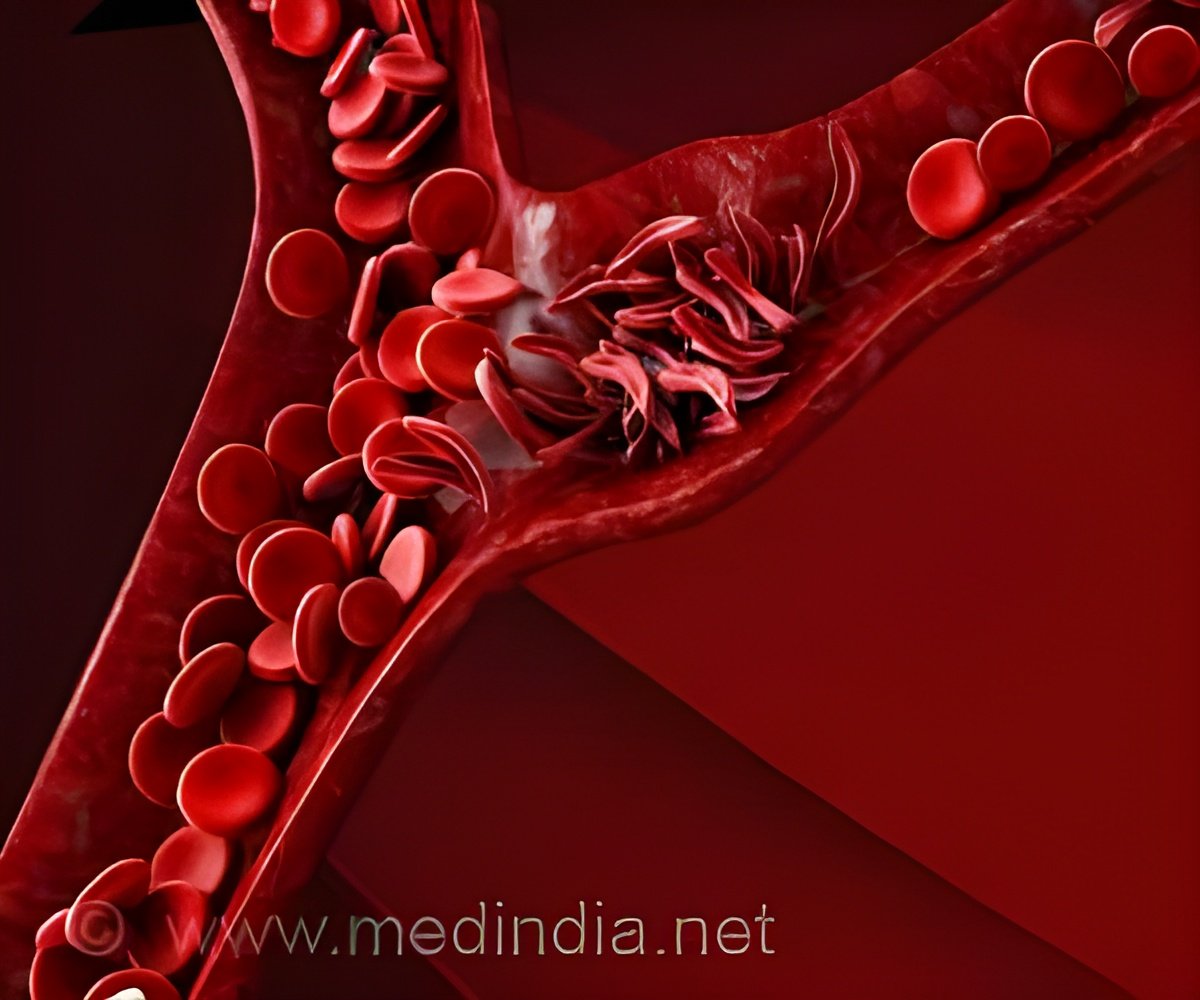
The new blood vessels could help address a critical gap in medicine - the pressing need for safe and effective materials that can replace injured human blood vessels.

About Brain Tumor
Brain tumors are the abnormal growth of brain cells that may be benign or metastatic. Brain tumors account for about 2.4% of all the tumor diagnosesandare most challenging due to their critically delicate location.
Brain tumors are the abnormal growth of brain cells that may be benign or metastatic. Brain tumors account for about 2.4% of all the tumor diagnosesandare most challenging due to their critically delicate location.
TOP INSIGHT

The new blood vessels could help address a critical gap in medicine - the pressing need for safe and effective materials that can replace injured human blood vessels.
After eight weeks of incubation, the researchers removed cellular material from the HAVs, leaving behind acellular vessels with strong mechanical and structural integrity. The scientists implanted the HAVs as access points into 60 patients with end-stage kidney failure undergoing treatment with hemodialysis, an invasive procedure that requires access to healthy blood vessels. Analysis of 16 HAV tissue samples taken from 13 subjects from 16 to 200 weeks after implantation showed that the vessels became populated with the patients' own cells and microvasculature over time. These results demonstrate that the HAVs transitioned from structures that did not contain cells into functional, multilayered tissue capable of blood transport, effectively becoming the patients' own blood vessels.
Source-Eurekalert

Just One Dose of Carbs in a Keto Diet Could Damage Blood Vessels
New research says that just one 75-gram dose of glucose while on a high fat, low carbohydrate diet can lead to damaged blood vessels.
New research says that just one 75-gram dose of glucose while on a high fat, low carbohydrate diet can lead to damaged blood vessels.
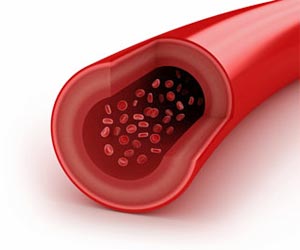
Missing Ingredient to Grow Blood Vessels Identified
The key ingredient for proper vessel formation has been discovered by scientists. The new discovery offers important direction for efforts to better treat a host of serious conditions ranging from diabetes to heart attacks and strokes.
The key ingredient for proper vessel formation has been discovered by scientists. The new discovery offers important direction for efforts to better treat a host of serious conditions ranging from diabetes to heart attacks and strokes.
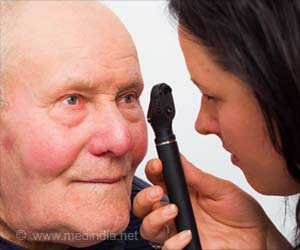
Diabetic Retinopathy: A New Drug Can Mend the Damaged Blood Vessels
New Drug -CD5-2 can help Mend the Damaged Blood Vessels and prevent vascular leakage that usually occurs in Diabetic Retinopathy.
New Drug -CD5-2 can help Mend the Damaged Blood Vessels and prevent vascular leakage that usually occurs in Diabetic Retinopathy.
 Email
Email