MEDINDIA
 English
 हिन्दी
 Español
 français
 中文
中文
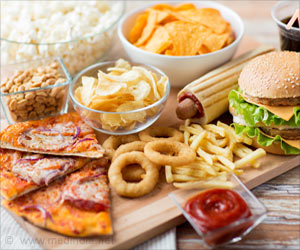
Fast-food and restaurant diners consumed about 10 grams more total fat, and 3.49 grams more saturated fat than those who dined at home.

Food Additives - Types Functions Miscellaneous Fast Foods Conclusions FAQs
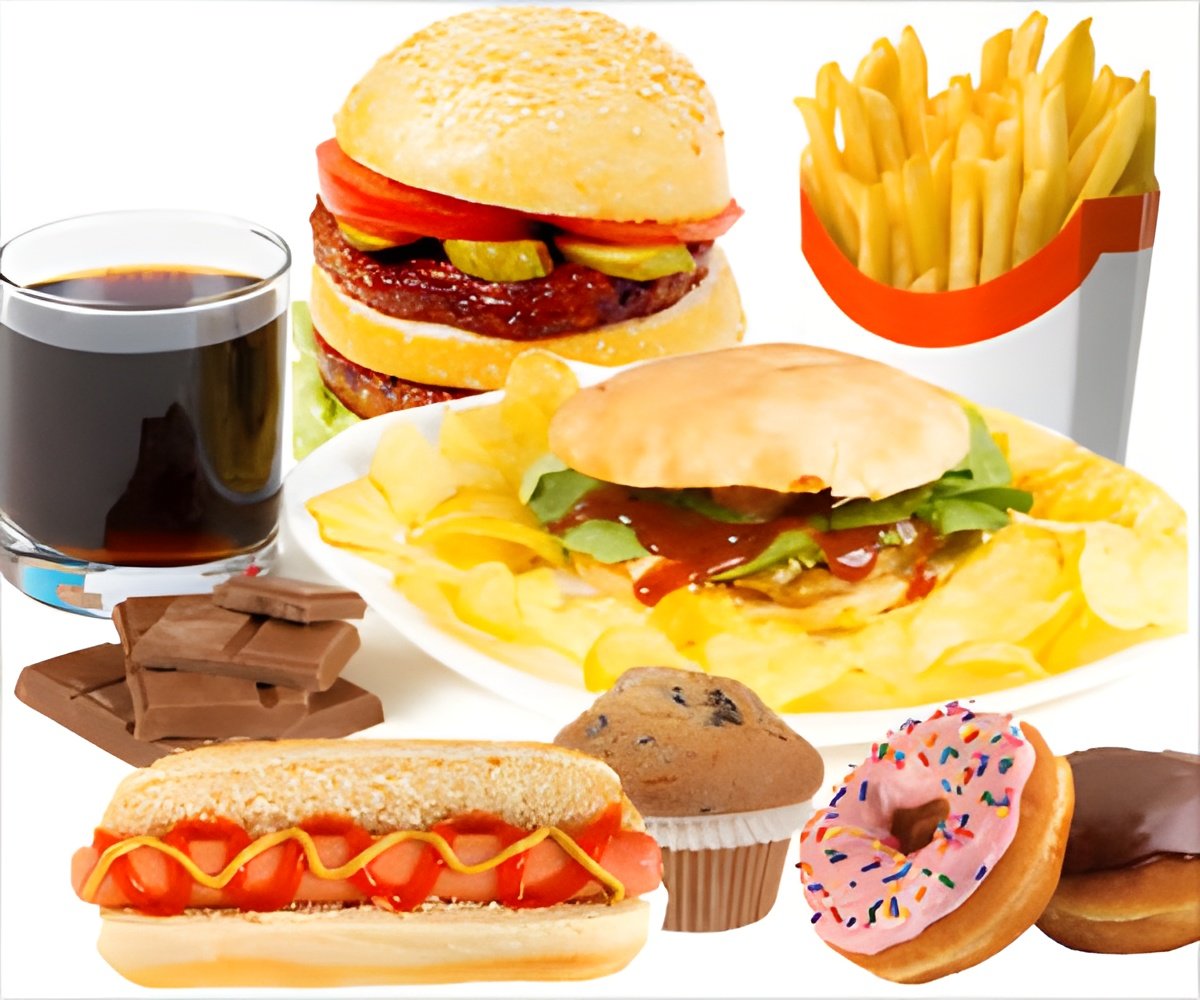
A food additive is a non-nutritive substance added deliberately to any food product to improve its color, texture, flavor or shelf life
A food additive is a non-nutritive substance added deliberately to any food product to improve its color, texture, flavor or shelf life
While people who eat at restaurants tend to take in more healthy nutrients - including certain vitamins, potassium and omega-3 fatty acids than those who eat at home or at a fast-food outlet. The restaurant diners also consume substantially more sodium and cholesterol - two nutrients that Americans generally eat in excess, even at home.
Fast-food and restaurant diners consumed about 10 grams more total fat, and 3.49 grams more saturated fat than those who dined at home.

Fast Food Addiction in Teenagers
Food addiction is a growing threat among teenagers. Find out how to combat the problem with preventive tips and strategies for overcoming food addiction.
Food addiction is a growing threat among teenagers. Find out how to combat the problem with preventive tips and strategies for overcoming food addiction.
"Eating at a fast-food outlet adds about 300 milligrams of sodium to one’s daily intake, and restaurant dining boosts sodium intake by 412 milligrams per day, on average," An added.
Bitter Truth About Fast Foods
Read along to find out more about the 7 shocking things that make up for your sandwiches, burgers and fries, that shouldn’t be there.
Read along to find out more about the 7 shocking things that make up for your sandwiches, burgers and fries, that shouldn’t be there.
"The additional sodium is even more worrisome because the average daily sodium intake among Americans is already so far above the recommended upper limit, posing a significant public health concern, such as hypertension and heart disease," he said.

Fast Food Fad: A Global Mania
Fast food, like fast life, will put us on the fast track to ill health. Teaching young children to make sensible dietary choices will ensure that they enjoy a ‘slow’, but safe future.
Fast food, like fast life, will put us on the fast track to ill health. Teaching young children to make sensible dietary choices will ensure that they enjoy a ‘slow’, but safe future.
Source-IANS
 Email
Email