MEDINDIA
 English
 हिन्दी
 Español
 français
 中文
中文
Reports from Centers for Disease Control and Prevention's (CDC's) National Healthcare Safety Network (NHSN) shed light on healthcare-associated infection pathogens.
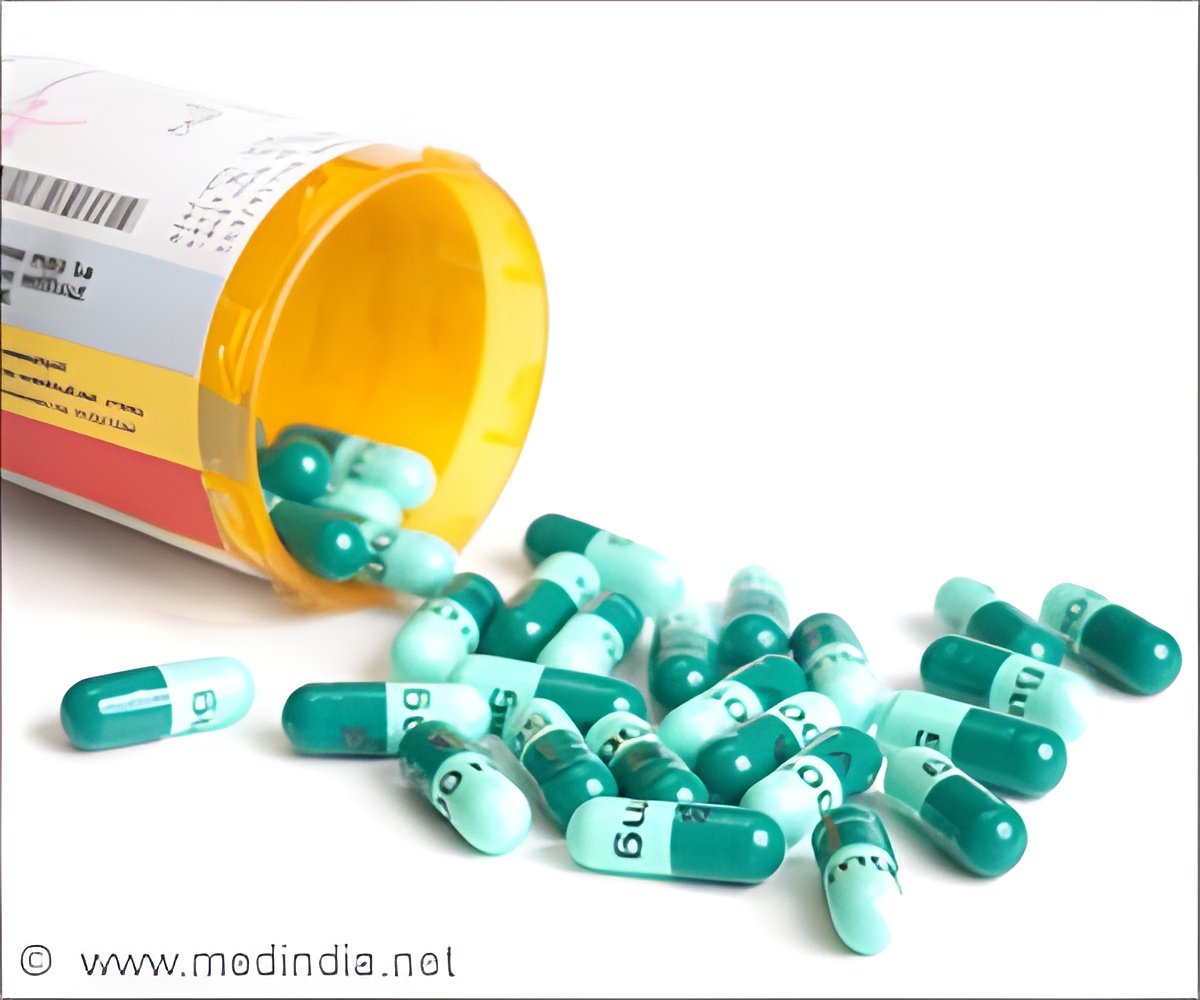

Antibiotics - Use and Abuse
Antibiotics are among the most used and abused medications. This article explains some general features about antibiotics.
Antibiotics are among the most used and abused medications. This article explains some general features about antibiotics.
TOP INSIGHT

Proper resources must be allocated to prevent infection of medical devices and environment across the healthcare continuum.
Read More..
For instance, 48 percent of tested Staphylococcus aureus isolated from device-associated infections were methicillin resistant (MRSA), compared to 41 percent among those isolated from surgical site infections; and 82 percent of tested device-associated Enterococcus faecium bacteria were resistant to vancomycin (VRE) compared to 55 percent among surgical site infections.
Researchers note that germs in adult and pediatric facilities varied by infection type and care location. The most common HAI bacteria among adult patients were Escherichia coli (18%), Staphylococcus aureus (12%) and Klebsiella (9%).
A companion report on pediatric healthcare-associated infections, with data from 2,454 facilities, found the most prevalent pathogens among pediatric patients were Staphylococcus aureus (15%), Escherichia coli (12%), and coagulase-negative staphylococci (12%).
The data also show that bacteria associated with long-term acute care hospitals are more likely to be antibiotic resistant than those acquired in short-stay acute care hospitals; and HAIs in adult healthcare settings are more likely to be resistant than those in pediatrics.
Lastinger said the increasing availability of clinical and laboratory data in electronic form provides new opportunities to quickly identify resistance to antibiotic therapies and to inform antibiotic stewardship programs. Appropriate resources should be allocated to ensure proper infection prevention methods of devices and the environment across the healthcare continuum.
 Email
Email