MEDINDIA
 English
 हिन्दी
 Español
 français
 中文
中文
A baby's brain is constantly working and creating new knowledge even while they sleep.
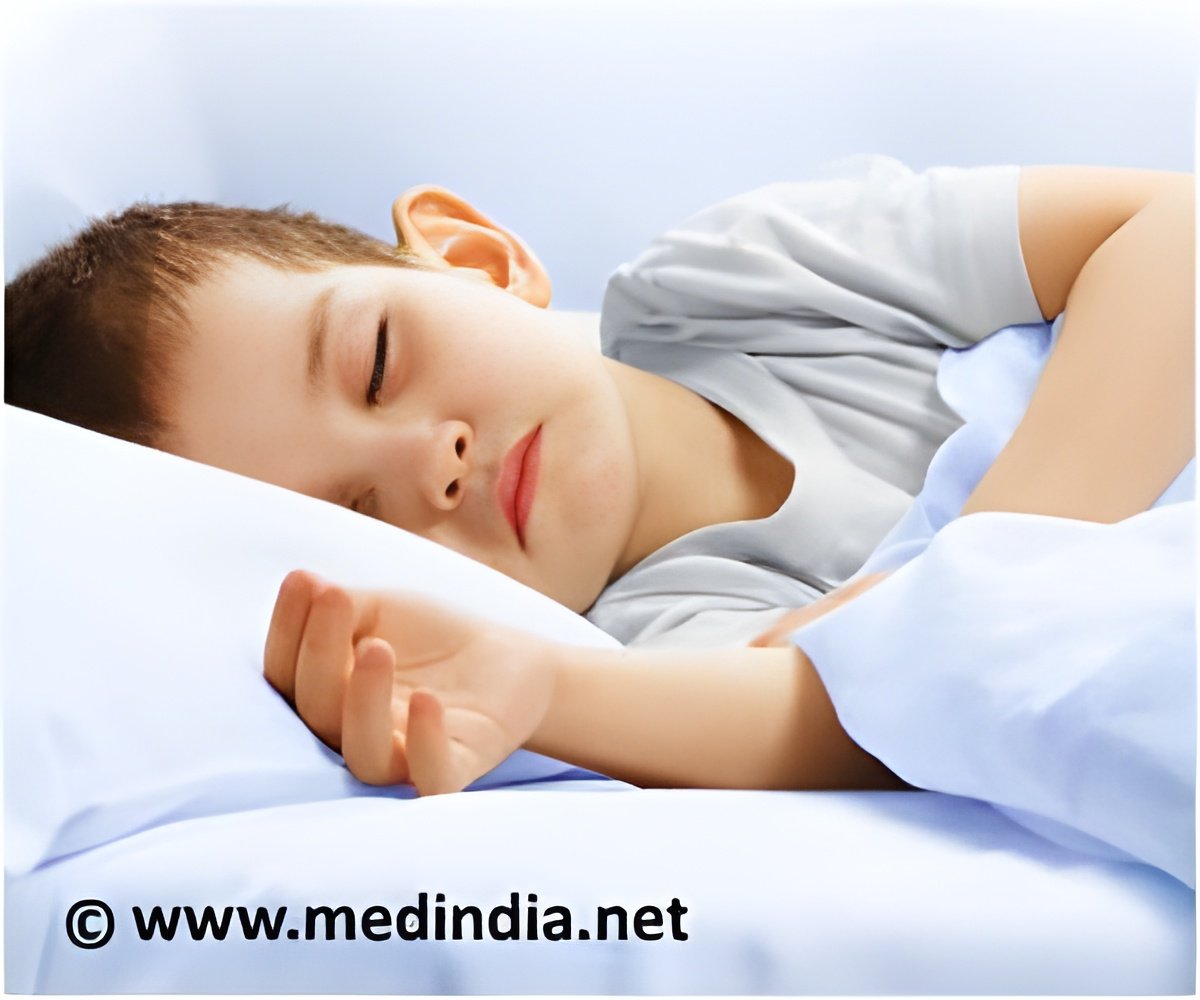

Sleep - Overview and Definition
Sleep is a behavioral state of restricted physical activity. It is controlled by our internal biological clock.
Sleep is a behavioral state of restricted physical activity. It is controlled by our internal biological clock.
The group who had stayed awake had forgotten the names of the individual objects, while the children in the sleep group remembered the object-word mappings. Radical differences in their abilities to categorize the objects were also noted.
The children's age had no effect on the learning outcome. But, a particular type of rhythmic activity of the sleeping brain called the sleep spindle had a significant impact on learning outcomes. Infants with high sleep spindle activity are particularly good at generalizing their experiences and developing new knowledge while sleeping. Researcher Manuela Friedrich explained, "The greater an infant's spindle activity, the better it can assign category names to new objects after sleep."

Circadian Rhythm Sleep Disorders - Types, Causes, Health risks, Diagnosis, Treatment, Prognosis
Circadian rhythm (also known as sleep/wake cycle or the body clock) is a biological process that follows an internal cycle of roughly 24 hours.
Circadian rhythm (also known as sleep/wake cycle or the body clock) is a biological process that follows an internal cycle of roughly 24 hours.
Obstructive Sleep Apnea - Overview
Obstructive sleep apnea should be suspected in overweight middle aged adults who snore loudly and which can cause interruption of breathing for 10 seconds or more and this results in reduced blood o
Obstructive sleep apnea should be suspected in overweight middle aged adults who snore loudly and which can cause interruption of breathing for 10 seconds or more and this results in reduced blood o

Insomnia | Sleeping Difficulty - Symptom Evaluation
Insomnia may be due to physiological, psychological, physical or environmental factors. Insomnia should be treated promptly in order to improve the quality of life and prevent other health problems.
Insomnia may be due to physiological, psychological, physical or environmental factors. Insomnia should be treated promptly in order to improve the quality of life and prevent other health problems.
 Email
Email