MEDINDIA
 English
 हिन्दी
 Español
 français
 中文
中文
New study analyzes the progression of atherosclerosis at frequent intervals and shows that disease progression is directly related to conventional cardiovascular risk factors in healthy people from the age of 40.
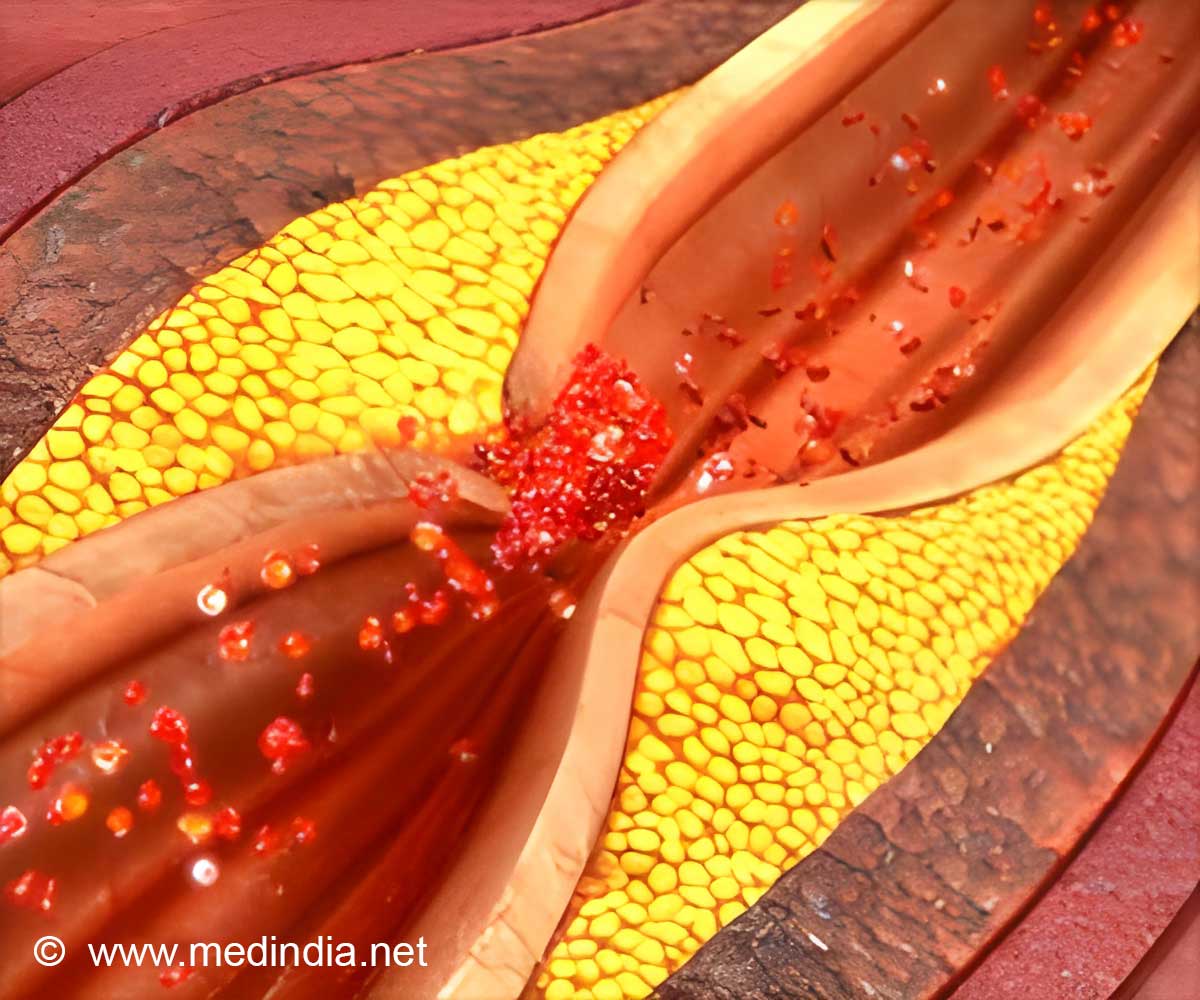
Atherosclerosis - Causes, Symptoms, Prevention & Treatment
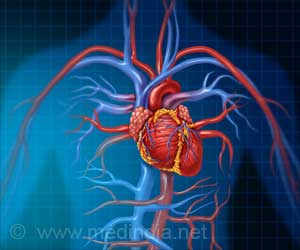
Atherosclerosis is a condition in which the arteries become hard and narrow, leading to restricted blood flow.
Atherosclerosis is a condition in which the arteries become hard and narrow, leading to restricted blood flow.
TOP INSIGHT

Atheroma plaques extend rapidly through the arteries of almost 40 percent of asymptomatic individuals aged between 40 and 50 years.
Read More..
The simpler imaging techniques like 2D and 3D ultrasound are accessible and do not involve exposure to radiation. With these techniques, explains CNIC Clinical Research Director Dr. Borja Ibañez, "we can detect and quantify the burden and volume of atherosclerotic disease and precisely monitor its progression, thus identifying individuals who stand to benefit from earlier and more intensive prevention."
The 2019 European Prevention Guidelines recognize the utility of imaging techniques to evaluate cardiovascular risk in individuals beyond the conventional risk factors of age, sex, hypertension, cholesterol, smoking, and diabetes. "The recommended technique is low dose radiation CT, which evaluates the presence of calcium in the coronary arteries as an indirect measure of the presence of atherosclerotic plaques. But the guidelines also highlight the value of ultrasound to evaluate the burden of atherosclerosis in the carotid and femoral arteries."
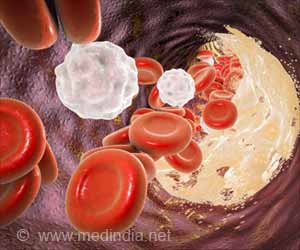
Potential Treatment Target for Atherosclerosis Identified
Protective mechanism against atherosclerosis has been discovered by a research team who finds that the receptor BAFF has anti-inflammatory properties which have a positive effect on plaque size and atherosclerosis risk.
Protective mechanism against atherosclerosis has been discovered by a research team who finds that the receptor BAFF has anti-inflammatory properties which have a positive effect on plaque size and atherosclerosis risk.
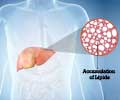
Atherosclerosis is characterized by the accumulation of fatty deposits in the artery walls. The disease is normally detected at an advanced stage, when it has already caused clinical events such as a heart attack or stroke. Treatment of the disease at this symptomatic stage is of limited effectiveness, and most patients experience a decline in quality of life. The treatment of these patients, moreover, places a significant burden on health care resources.

Aortic Valve Disease may not be a Valvular Equivalent of Atherosclerosis
Differences between atherosclerosis and Calcific Aortic Valve Disease can be understood to target the diseases with drugs.
Differences between atherosclerosis and Calcific Aortic Valve Disease can be understood to target the diseases with drugs.
A previous PESA analysis had already shown that atherosclerosis is generally present in young, middle-aged individuals. "With the new study, we have shown how atherosclerosis progresses in its initial phases, before the development of symptoms," emphasized Dr. Fuster.
Could Diet Quality Predict Atherosclerosis in Intermediate Cardiovascular Risk Patients?
A recent study analyzed the association between carotid artery intima media thickness, presence of plaque and the carotid target organ damage (cTOD) with the diet quality.
A recent study analyzed the association between carotid artery intima media thickness, presence of plaque and the carotid target organ damage (cTOD) with the diet quality.
"This rapid disease progression could make these individuals more vulnerable to developing symptoms or having clinical events such as a heart attack or stroke." The researchers conclude that the findings, while they await validation from the occurrence of events in the PESA cohort in the future, will be of great value for the identification of strategies to stall the epidemic of cardiovascular disease.
Source-Eurekalert
 Email
Email