MEDINDIA
 English
 हिन्दी
 Español
 français
 中文
中文
Woman who conceive through ART need not be concerned about the risk of still birth during pregnancy.

Infertility - Causes - Diagnosis - Treatment - FAQs
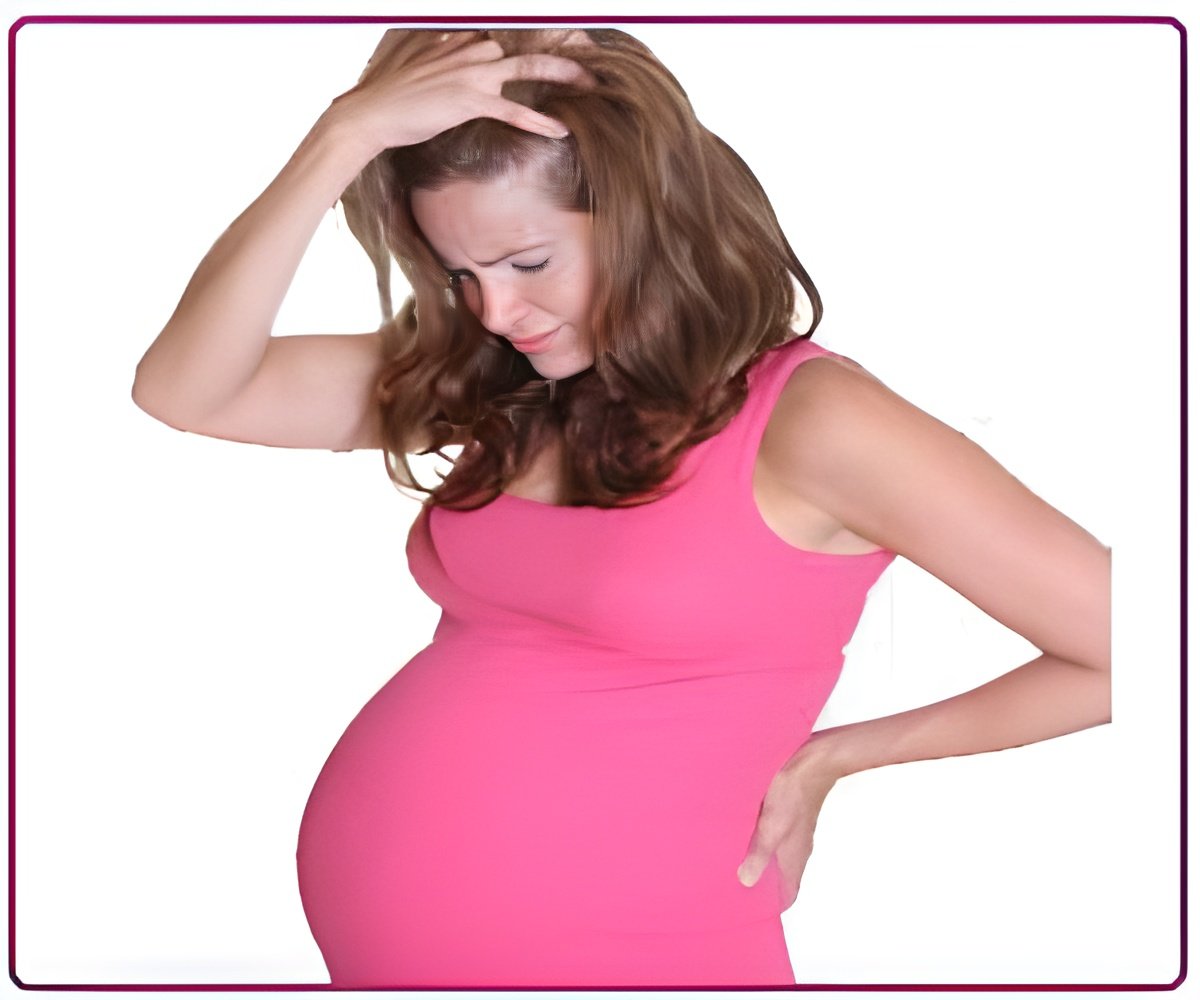
Infertility is a condition wherein couples fail to achieve pregnancy or if the woman has been unable to carry a pregnancy that results in a live birth.
Infertility is a condition wherein couples fail to achieve pregnancy or if the woman has been unable to carry a pregnancy that results in a live birth.
When analysing the stillbirth risk before and after term, no difference was found after 40 weeks of gestation between ART children and their naturally conceived peers. This was also the case when comparing the two cohorts after 37 weeks of gestation. However, until gestational week 40, the group found a 1.2 fold higher risk of stillbirth for ART singletons.
"We believe the difference in risk of stillbirth between ART and NC children seems to occur before 37 weeks of gestation," said Dr. Aaris Henningsen. "It is likely, that some of the difference in risk of stillbirth is related to parental factors in the subfertile mother or father."
Egg Donation
The term ‘Egg Donation’ is commonly used to refer to the contribution of her eggs by a woman to another, who is incapable of producing her own.
The term ‘Egg Donation’ is commonly used to refer to the contribution of her eggs by a woman to another, who is incapable of producing her own.
"Very few European, non-Nordic, studies exist on stillbirth rates and are mostly based on small numbers," explained Dr. Aaris Henningsen. "Our results come from the largest database on ART children worldwide. The MART group is currently looking at multiple neonatal outcomes including the risk of perinatal death in both singletons and twins and is hoping to have additional data in the near future."

High Risk Pregnancy Group Calculator
Medindia offers you a useful calculator to find out if you fall under the high risk pregnant group. Take the precautionary steps and avoid complications during pregnancy.
Medindia offers you a useful calculator to find out if you fall under the high risk pregnant group. Take the precautionary steps and avoid complications during pregnancy.

Electronic Fetal Monitoring
Fetal monitoring records the condition of the fetus and contractions of the uterus during the labour
Fetal monitoring records the condition of the fetus and contractions of the uterus during the labour
 Email
Email