MEDINDIA
 English
 हिन्दी
 Español
 français
 中文
中文
Sesame allergy is common among kids with other food allergies, occurring in an estimated 17 percent of this population, reveals a new study.
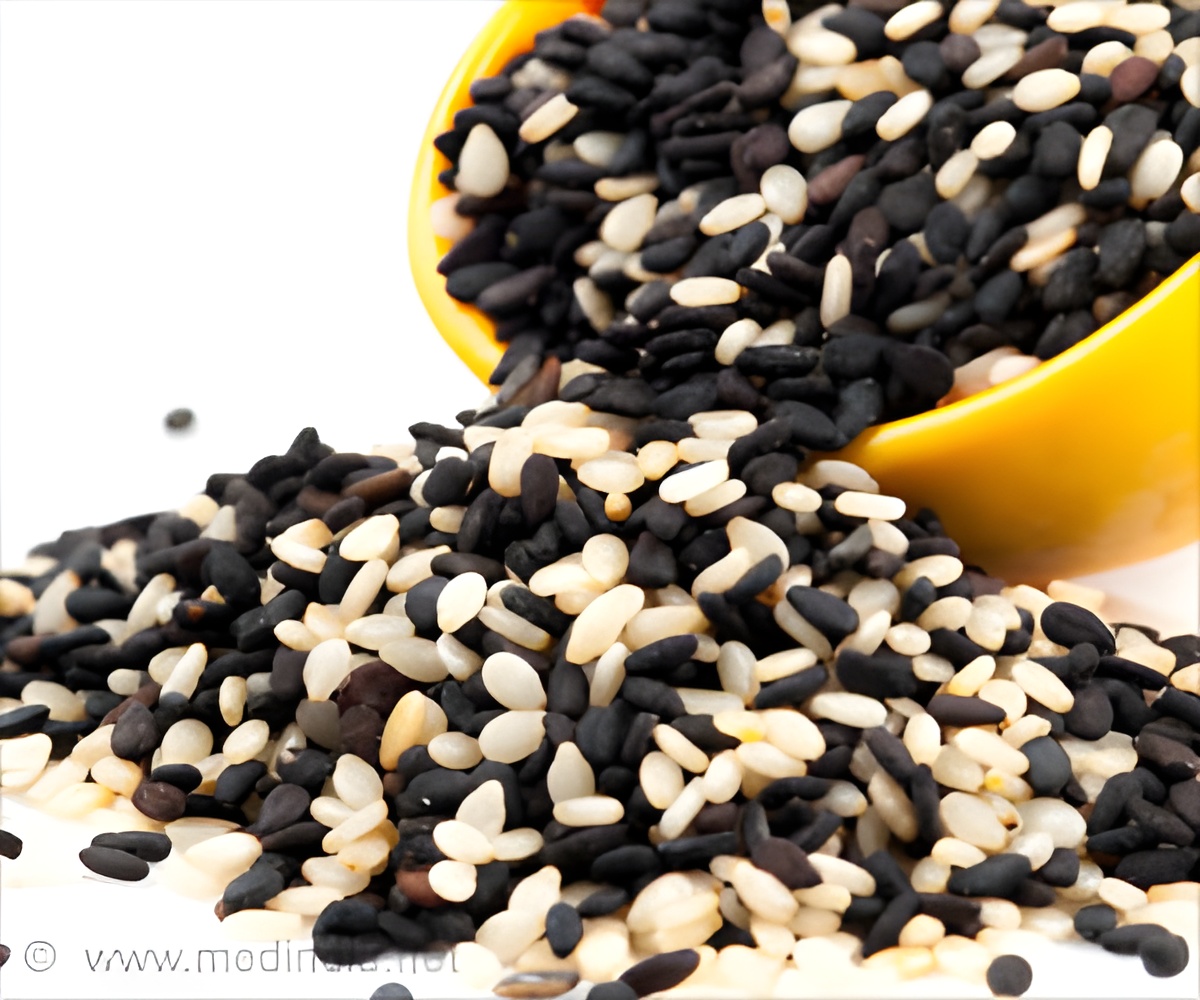

Sesame is Allergy is Common Nowadays
Sesame allergy is a relatively common food allergy that affects patients of all ages and genders, causing extreme reactions and health care utilization.
Sesame allergy is a relatively common food allergy that affects patients of all ages and genders, causing extreme reactions and health care utilization.
TOP INSIGHT

Sesame is among the ten most common childhood food allergies.
Only an estimated 20% to 30% of children with sesame allergy outgrow it.
Severe reactions to sesame are common among sesame-allergic children. About 1.1 million people in the United States, or an estimated 0.23% of the U.S. population, have sesame allergy, according to a recently published study funded by NIAID. These factors underscore the need to optimize the recognition and diagnosis of this allergy. The Food and Drug Administration is currently considering whether to include sesame in the list of allergens that must be disclosed on food labels.

Soy Allergy - Symptoms Diagnosis Diet Recipes
What exactly in soybean causes the allergenic reactions? Is soy lecithin responsible for allergic reactions too? Get the answers here.
What exactly in soybean causes the allergenic reactions? Is soy lecithin responsible for allergic reactions too? Get the answers here.
The researchers offered children in the study an oral food challenge--the gold standard for diagnosing food allergy--which involved ingesting gradually increasing amounts of sesame under medical supervision and seeing if an allergic reaction occurred. Children who recently had had an allergic reaction to sesame or were known to tolerate concentrated sesame, such as tahini, in their diet were not offered an oral food challenge.

Children Food Allergies – Peanut Allergy – Egg Allergy - Milk Allergy
If you are allergic to certain food items-Watch out for what you eat
If you are allergic to certain food items-Watch out for what you eat
The scientists measured the amount of an antibody called sesame-specific immunoglobulin E (sIgE) in the blood of these 88 children. With this data and information on the children's sesame-allergic status, the researchers developed a mathematical model for predicting the probability that a child with a food allergy is allergic to sesame. According to the model, children with more than 29.4-kilo international units of sIgE per liter of serum have a greater than 50% chance of being allergic to sesame. This model will need to be validated by additional studies, however, before it can be used in clinical practice.

How to Select Over-the-Counter (OTC) Drugs for Allergy
Over-the-counter (OTC) drugs can be bought without a prescription. OTC allergy medications are for the allergy sufferer to choose the right over-the-counter drugs.
Over-the-counter (OTC) drugs can be bought without a prescription. OTC allergy medications are for the allergy sufferer to choose the right over-the-counter drugs.
 Email
Email