MEDINDIA
 English
 हिन्दी
 Español
 français
 中文
中文
New research sheds light on the long-term effects of highly inflamed plaques on the progression of liver fibrosis.
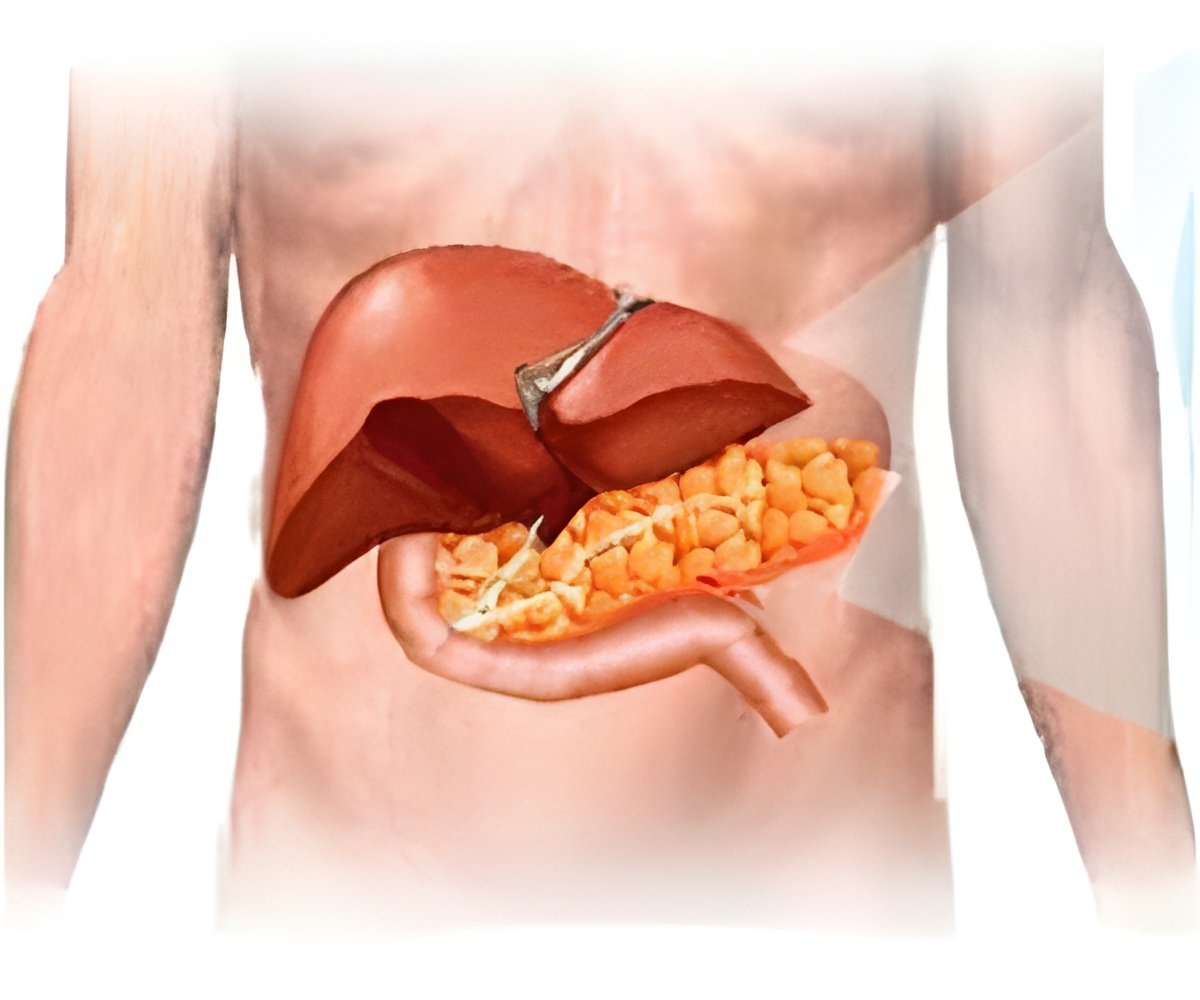
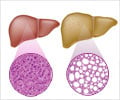
Fatty Liver Disease: A Growing Health Problem in India - Causes, Symptoms, Diagnosis, Treatment
Non alcoholic fatty liver disease (NAFLD) is the leading cause of liver dysfunction worldwide and is a rapidly growing health problem in India.
Non alcoholic fatty liver disease (NAFLD) is the leading cause of liver dysfunction worldwide and is a rapidly growing health problem in India.
TOP INSIGHT

Arterial vessel walls inflamed atherosclerotic plaques are prone to rupture (thrombosis) to form blood clots that may cause life-threatening strokes or heart attacks.
According to Hamilton these observations support the emerging broad view that chronic unresolved inflammation may impart systemic effects leading to secondary conditions, including diabetes, rheumatoid arthritis, colitis, cancer and Alzheimer's disease.
"The good news of our study showing this inflammatory relationship between vascular and liver disease is that the systemic nature of these diseases also presents a valuable therapeutic approach, including the treatment with natural molecules that lower inflammation without unwanted side effects."
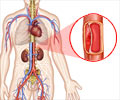
Aortic Dissection | Aortic Aneurysm - Types, Causes, Symptoms, Diagnosis, Treatment
Aortic dissection refers to a serious condition where there is a tear in the wall of a major artery leading to blood flow within the layers of the aorta.
Aortic dissection refers to a serious condition where there is a tear in the wall of a major artery leading to blood flow within the layers of the aorta.
Source-Eurekalert

Quiz on Liver
How many of us know that the liver is a vital organ the size of an American Football? To understand more about the liver and its functions spend a few minutes taking part in this quiz.
How many of us know that the liver is a vital organ the size of an American Football? To understand more about the liver and its functions spend a few minutes taking part in this quiz.

Patients at Risk of Developing Alcoholic Liver Disease Identified
Many people who die from alcoholic liver disease have a history of alcohol misuse and recurrent hospital admissions.
Many people who die from alcoholic liver disease have a history of alcohol misuse and recurrent hospital admissions.
 Email
Email