MEDINDIA
 English
 हिन्दी
 Español
 français
 中文
中文
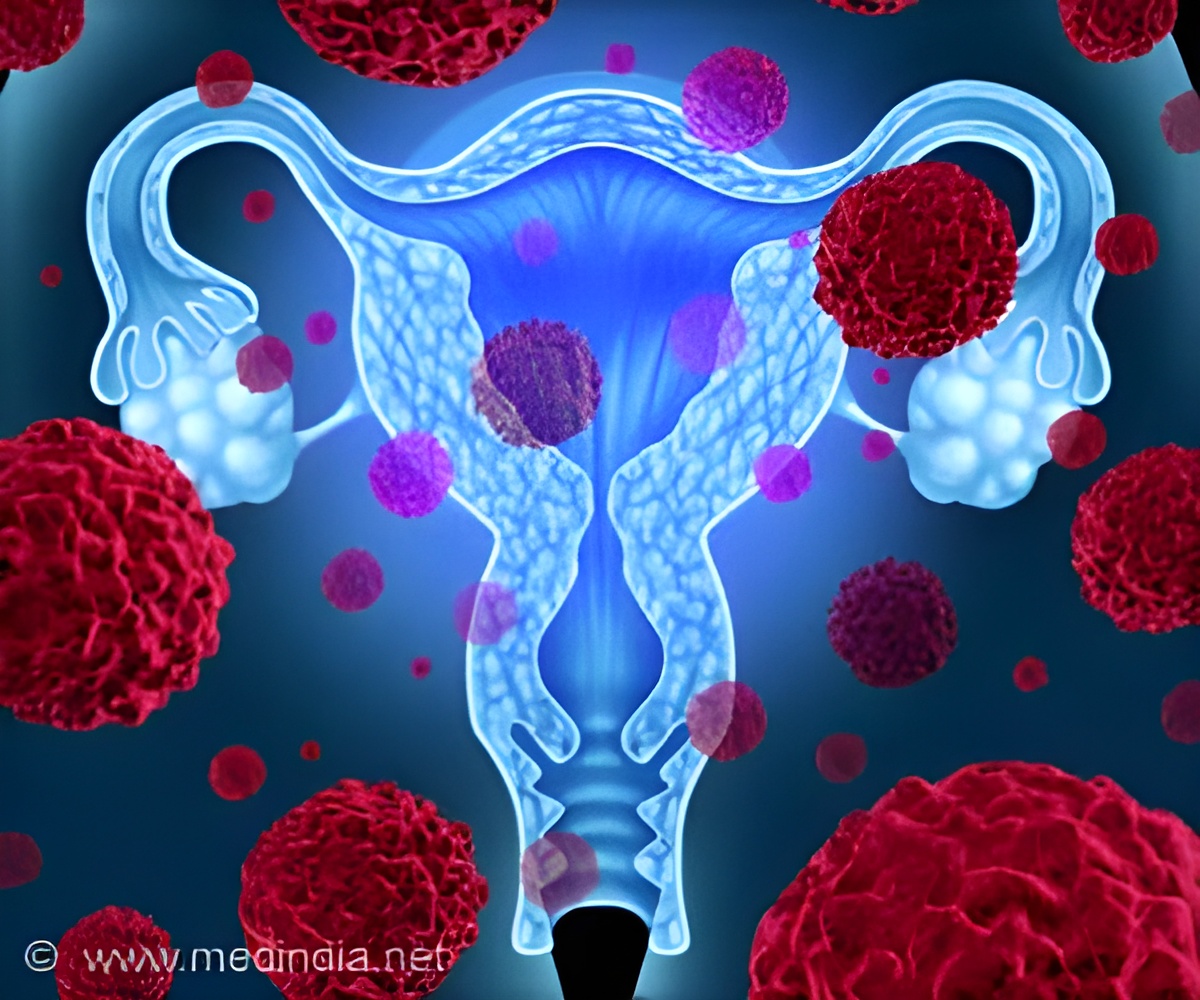
Ponatinib is effective against SCCOHT, a type of ovarian cancer that mostly strikes young women and girls as young as 14 months.

Ponatinib Shows Promise Against Resistant Chronic Myeloid Leukemia
In a Phase I clinical trial, the drug ponatinib produced major or complete hematologic responses.
In a Phase I clinical trial, the drug ponatinib produced major or complete hematologic responses.
TOP INSIGHT

Anti-cancer drug, ponatinib, significantly delays tumor growth and reduces tumor volume in a rare and aggressive form of ovarian cancer.
"Current treatment for this devastating cancer has such poor response rates and extreme toxicity that we must find better therapeutics," said Dr. Jeffrey Trent, TGen President and Research Director, and the senior author of the study. "Our work identifies a new treatment strategy that could provide these young women with improved patient benefit."
An international research team led by TGen, an affiliate of City of Hope, first discovered that a mutation in the gene SMARCA4 was the genetic cause of SCCOHT, according to a 2014 study published in Nature Genetics. The SMARCA4 gene -- previously associated with lung, brain and pancreatic cancer -- was the only recurrently mutated gene in the study's samples.

Genetic Factors Determine How Women With Ovarian Cancer Process Chemotherapy
Genes have an impact on how the body processes chemotherapy drugs and leads to different clinical outcomes for ovarian cancer patients.
Genes have an impact on how the body processes chemotherapy drugs and leads to different clinical outcomes for ovarian cancer patients.
"We identified ponatinib as the most effective clinically approved RTK inhibitor," said Dr. Jessica Lang, a TGen post-doctoral fellow and co-lead author of the study. "It holds the potential for rapidly improving outcomes for these young patients."

Ovarian Cancer in Women Linked To Mutations in Gene Passed on From Dad
A gene on the X-chromosome passed on from the father may contribute to a woman's risk of developing ovarian cancer.
A gene on the X-chromosome passed on from the father may contribute to a woman's risk of developing ovarian cancer.
"Evaluation of a panel of selective RTK inhibitors highlighted ponatinib as the most potent tested agent in SCCOHT cell lines," said Dr. William Hendricks, Assistant Professor in TGen's Integrated Cancer Genomics Division, and the other co-lead author of the study. "Clinical investigation of this FDA-approved oncology drug is warranted in SCCOHT."

Ovarian Cancer Screening Not Recommended for All Women
Women who are not at risk and those who have no symptoms need not screen for ovarian cancer, as the harms of screening outweigh the benefits.
Women who are not at risk and those who have no symptoms need not screen for ovarian cancer, as the harms of screening outweigh the benefits.
Source-Eurekalert
 Email
Email