MEDINDIA
 English
 हिन्दी
 Español
 français
 中文
中文
How amyloid beta, the protein fragment strongly associated with Alzheimer's disease, can induce cellular changes that might lead to Parkinson's has been identified.


Alzheimer’s disease - Causes, Symptoms, Diagnosis, Stages, Types, Prevention, Prognosis & Treatment
Alzheimer's disease is a progressive neurodegenerative disease affecting memory and thinking and making the person increasingly dependent on others.
Alzheimer's disease is a progressive neurodegenerative disease affecting memory and thinking and making the person increasingly dependent on others.
TOP INSIGHT

Amyloid beta, the protein fragment strongly associated with Alzheimer's disease, can induce cellular changes that might lead to Parkinson's.
Mahesh Narayan and colleagues wanted to see how a particular form of amyloid beta might trigger cellular changes that can induce Parkinson's disease. In their lab, the researchers incubated certain amyloid beta fragments - referred to as Aβ (25-35) - with cells (known as SH-SY5Y) often used in Parkinson's research.
This set off in the cells a cascade of molecular changes associated with Parkinson's, including chemical mutations to PDI and the formation of protein clumps known as Lewy bodies. The results could provide an explanation for how someone with Alzheimer's might also develop Parkinson's. The findings also could help researchers discover ways to prevent this from happening.

Nutritional Management of Parkinson's Disease
Parkinson's disease is a brain disorder which leads to many other related effects. Nutrition plays an important role in management of the disease.
Parkinson's disease is a brain disorder which leads to many other related effects. Nutrition plays an important role in management of the disease.
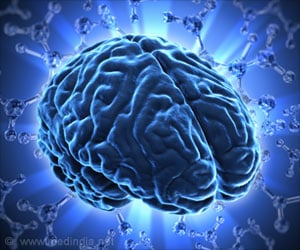
Real-Time MRI Delivery Updated to Improve Stem Cell Therapy for Parkinson's Disease
Real-time intraoperative magnetic resonance imaging not only allows for better visualization and monitoring of the procedure, but also helps cell survival.
Real-time intraoperative magnetic resonance imaging not only allows for better visualization and monitoring of the procedure, but also helps cell survival.

Parkinson’s Disease - Causes, Symptoms, Diagnosis, Treatment
Parkinson’s disease is a neurodegenerative disease caused by progressive dopamine brain cells loss. Symptoms of Parkinson’s disease are correctable to an extent.
Parkinson’s disease is a neurodegenerative disease caused by progressive dopamine brain cells loss. Symptoms of Parkinson’s disease are correctable to an extent.
 Email
Email