MEDINDIA
 English
 हिन्दी
 Español
 français
 中文
中文
A most unlikely ally in efforts to treat glioblastoma has been discovered by scientists.
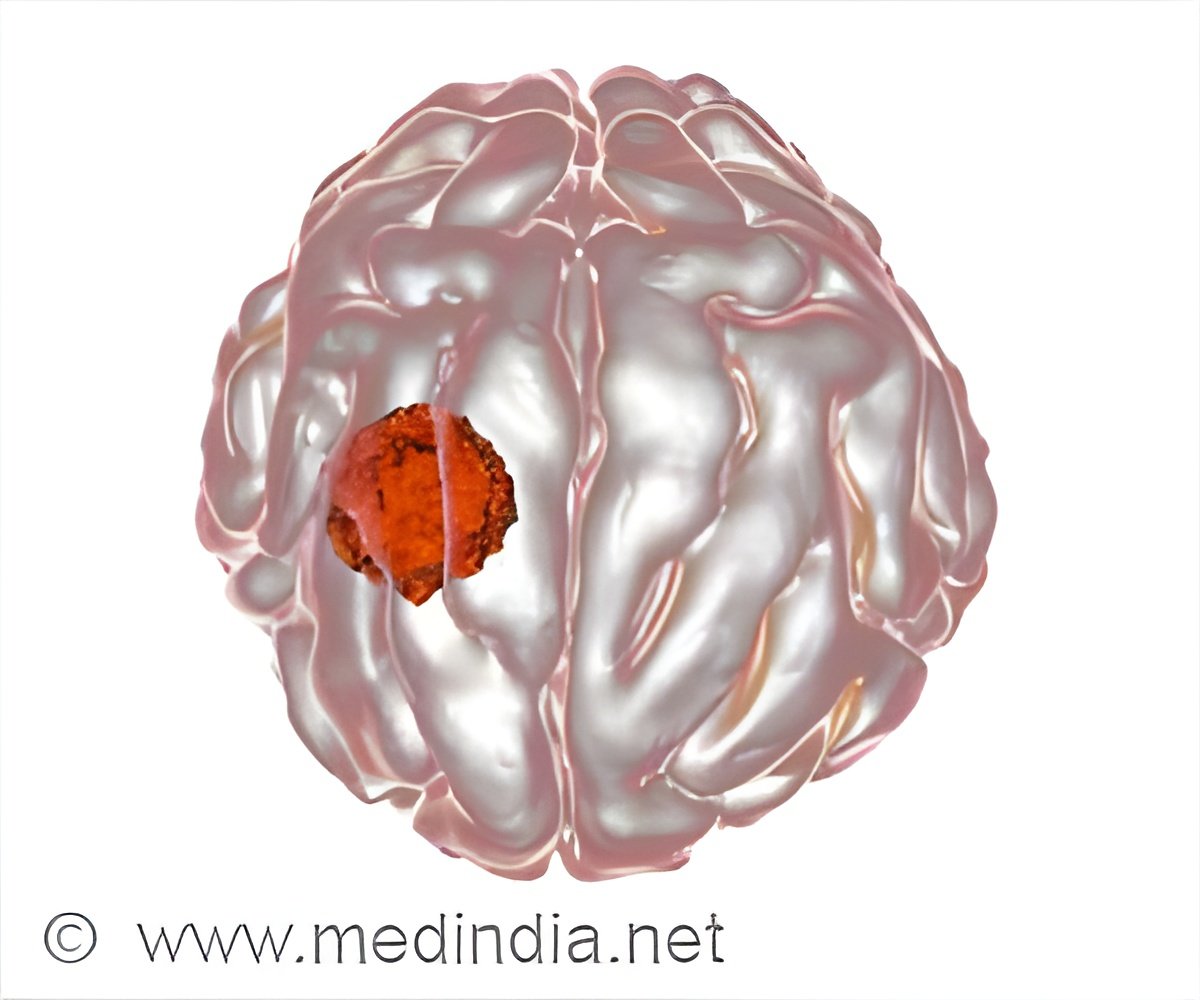

Glioblastoma Multiforme | Astrocytoma Grade 4 - Types, Causes, Symptoms, Diagnosis, Treatment
Glioblastomas are tumors that arise from astrocytes that make up the supportive tissue of the brain. Glioblastomas are usually highly malignant.
Glioblastomas are tumors that arise from astrocytes that make up the supportive tissue of the brain. Glioblastomas are usually highly malignant.
TOP INSIGHT

The irony is that one of the world's deadliest viruses may be useful in treating one of the deadliest of brain cancers.
Using viruses carries an obvious risk -- they can introduce potentially dangerous infections. To get around this problem, scientists, including van den Pol, have experimented with creating or testing chimeric viruses, or a combination of genes from multiple viruses. They have the ability to target cancer cells without harming patients.
One of the seven genes of the Ebola virus that helps it avoid an immune system response also contributes to its lethality. This intrigued van den Pol.
Immune-Suppressing Target In Glioblastoma Identified
Tenacious subset of immune macrophages that thwart treatment of glioblastoma with anti-PD-1 checkpoint blockade has been indentified, elevating a new potential target for treating the almost uniformly lethal brain tumor.
Tenacious subset of immune macrophages that thwart treatment of glioblastoma with anti-PD-1 checkpoint blockade has been indentified, elevating a new potential target for treating the almost uniformly lethal brain tumor.
(The team worked with the MLD glycoprotein, not with the full Ebola virus.)
New Promising Therapeutic Target for Glioblastoma Identified
Research published in PNAS discovers how glioblastoma achieves invading healthy brain tissue with hardly any resistance.
Research published in PNAS discovers how glioblastoma achieves invading healthy brain tissue with hardly any resistance.
A key factor may be that the virus with the glycoprotein MLD replicates less rapidly, potentially making it safer than viruses without the MLD part of the glycoprotein, he said.
New Drug Target for Glioblastoma Identified
New drug target for glioblastoma was found to contribute to the spread and proliferation of a dangerous subset of cancer cells, called glioma stem cells.
New drug target for glioblastoma was found to contribute to the spread and proliferation of a dangerous subset of cancer cells, called glioma stem cells.
Source-Eurekalert
 Email
Email