MEDINDIA
 English
 हिन्दी
 Español
 français
 中文
中文
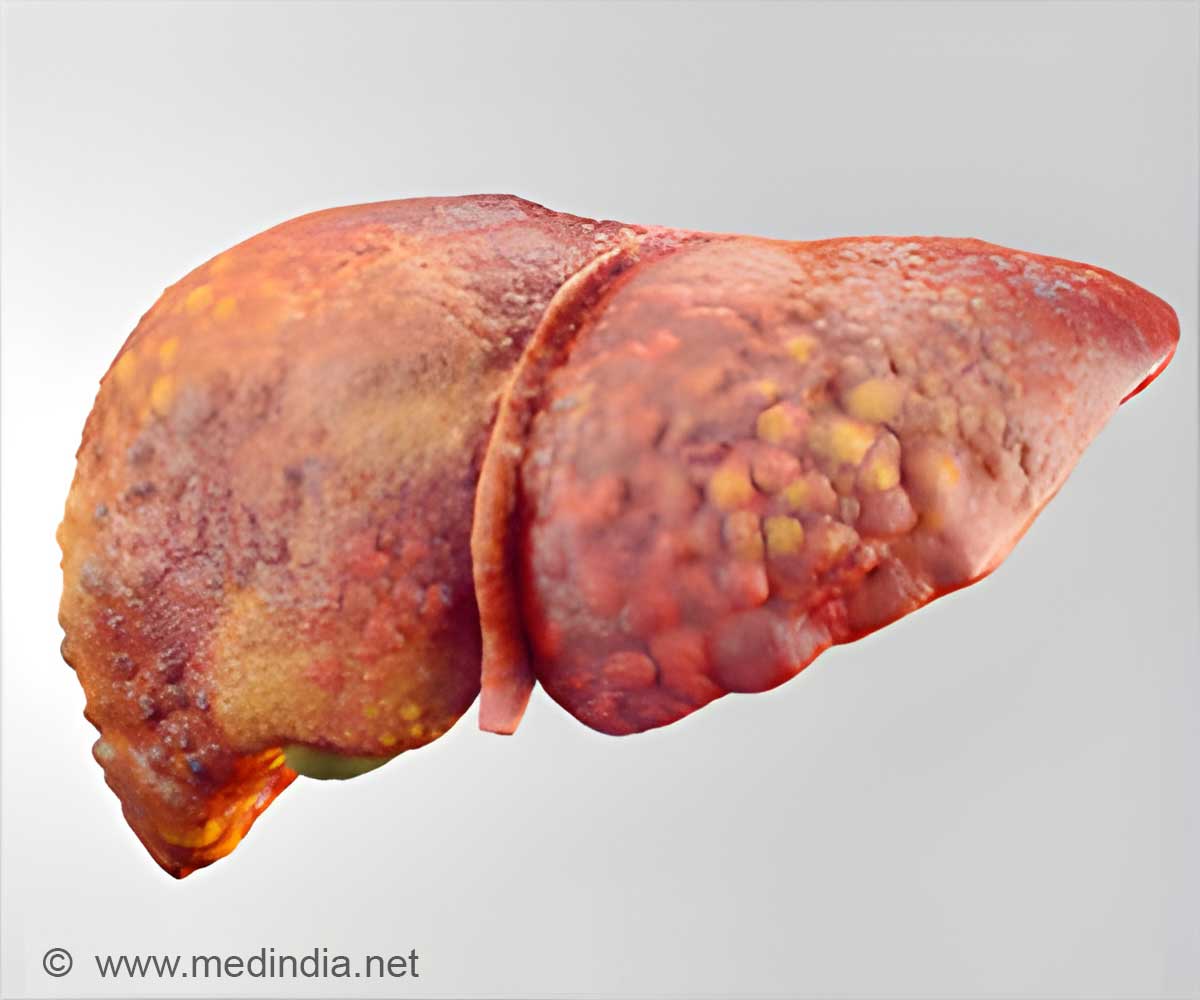
Though hormonal change after menopause contributes to fat deposition in the abdomen and non-alcoholic fatty liver disease, aerobic activity reduces the risks.
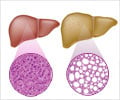
Fatty Liver Disease: A Growing Health Problem in India - Causes, Symptoms, Diagnosis, Treatment
Non alcoholic fatty liver disease (NAFLD) is the leading cause of liver dysfunction worldwide and is a rapidly growing health problem in India.
Non alcoholic fatty liver disease (NAFLD) is the leading cause of liver dysfunction worldwide and is a rapidly growing health problem in India.
TOP INSIGHT

Decreased estrogen production during menopause of women is associated with changes in body composition, exposing women to the risk of increased body weight and abdominal obesity, which contributes to the development of NAFLD.
"NAFLD is associated with obesity, insulin resistance, and adult-onset diabetes and is characterized by fat in the liver seen on ultrasound or other testing and elevated liver enzymes," said NAMS Executive Director Jo Ann V. Pinkerton.
"This study shows the benefit of counseling women at risk of diagnosis with fatty liver disease about the benefits of increased physical activity, including less fat around the middle, improvement in good cholesterol, and improved ability to exercise (cardiopulmonary functional capacity)," added Pinkerton.
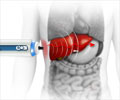
Fibroscan for Fatty Liver Cirrhosis and Fibrosis - Causes, Symptoms, Treatment
Recently, Fibroscan has incorporated the noninvasive Controlled Attenuation Parameter technique to estimate the degree of fatty infiltration in the liver.
Recently, Fibroscan has incorporated the noninvasive Controlled Attenuation Parameter technique to estimate the degree of fatty infiltration in the liver.
Improved cardio-respiratory fitness has been associated with lower all-cause mortality risk in women with elevated glucose levels or with diabetes.

Benefits of Aerobic Exercises
Aerobics is a physical exercise that includes activities like dance, cycling, running, stretching and many more. Aerobic exercise can benefit your health in many ways.
Aerobics is a physical exercise that includes activities like dance, cycling, running, stretching and many more. Aerobic exercise can benefit your health in many ways.
Source-IANS

Exercise and Fitness - Benefits - Classification - Options - Kick Off
Exercise is about revamping your lifestyle, not just weight loss. Exercise to get healthy – that way, you’ll last longer at it and get better results.
Exercise is about revamping your lifestyle, not just weight loss. Exercise to get healthy – that way, you’ll last longer at it and get better results.
 Email
Email