MEDINDIA
 English
 हिन्दी
 Español
 français
 中文
中文
The search for effective new therapies has been hindered by a struggle to understand what causes Autism Spectrum Disorder (ASD).
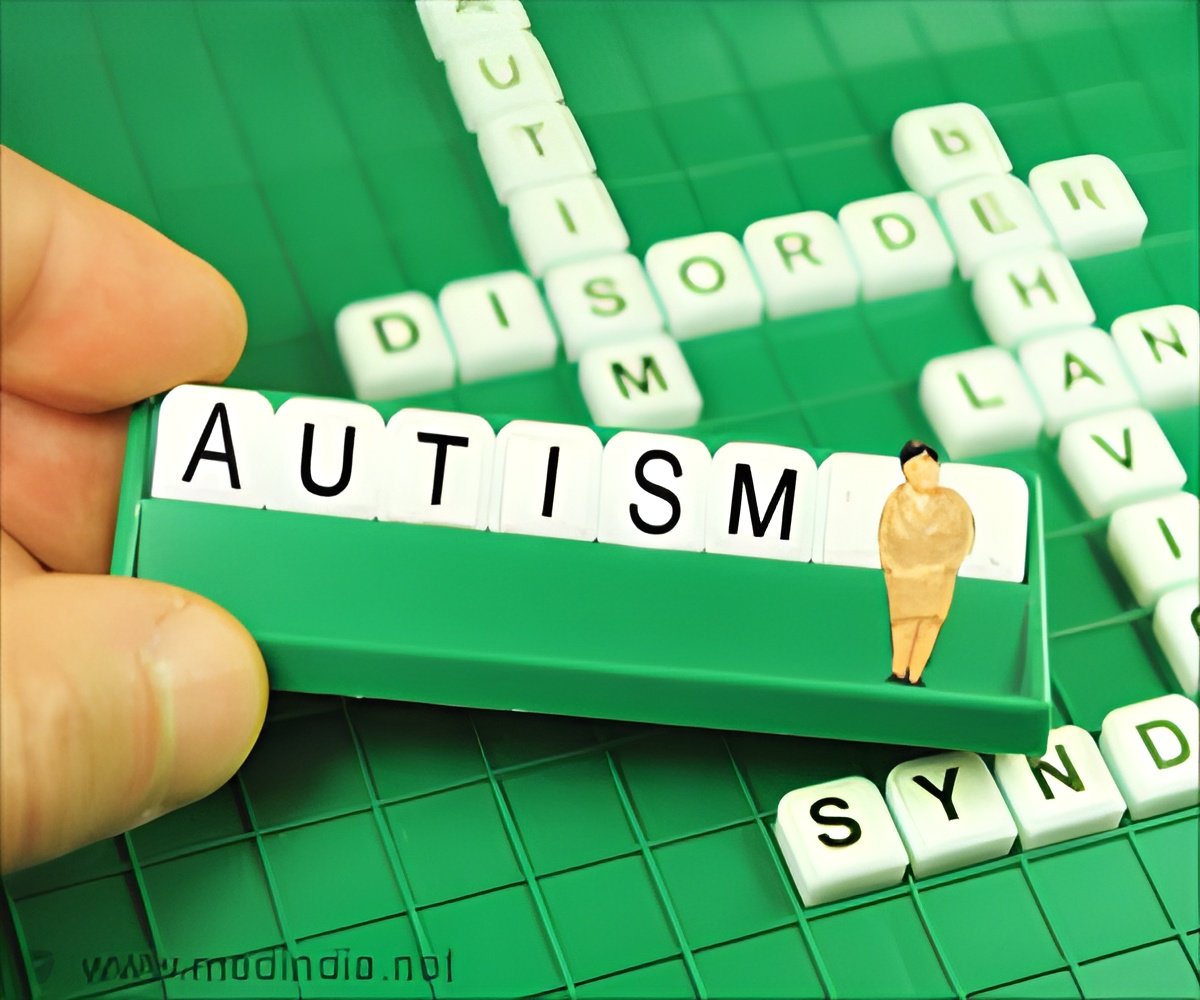

Autism Causes, Symptoms, Diagnosis, Treatment, Prognosis
Autism is a neurodevelopmental disorder typically characterized by impaired social and communication skills combined with repetitive movements.
Autism is a neurodevelopmental disorder typically characterized by impaired social and communication skills combined with repetitive movements.
TOP INSIGHT

Immune dysregulation contributes to, and may cause, Autism Spectrum Disorder (ASD), suggests a new study.
To better understand the neurodevelopmental trajectory and role of immune function in ASD, new clinical studies detail the timing of immunologic disturbances in children with ASD and the relationship between immune system activation and severity of impairments.
Inflammation may also help explain why ASD affects boys four to five times more than girls. A review highlighting the importance of the immune system in the normal development of males proposes how the process of masculinization makes boys more vulnerable to the effects of inflammation.

Mutations in Life's 'essential Genes' Linked to Autism Spectrum Disorder
Those with ASD had 44 percent more early-in-childhood mutations and 1.3 percent more inherited mutations in essential genes than their non-affected siblings.
Those with ASD had 44 percent more early-in-childhood mutations and 1.3 percent more inherited mutations in essential genes than their non-affected siblings.
Recent research has also implicated the maternal immune system during pregnancy on risk of ASD in children. Two new reviews in the issue collate research in humans and animal models that link alterations in the maternal immune system, whether through genetic autoimmune disorders or through immune system activation in response to infection, with impaired brain development observed in ASD.
Parental Age Associated With Risk of Developing Autism Spectrum Disorder
Children born to older parents, teenage mothers and whose parents have a large gap between their ages are at an increased risk of developing ASD.
Children born to older parents, teenage mothers and whose parents have a large gap between their ages are at an increased risk of developing ASD.
Therapies targeting the immune system may also have benefits beyond ASD, as indicated by a new study linking maternal immune dysfunction with an increased risk of attention-deficit/hyperactivity disorder. The findings suggest that correcting immune dysfunction may have potential for preventing a range of psychiatric diseases.

Study Finds Common Molecular Vulnerabilities Between Fetal Alcohol Spectrum Disorders and Autism Spectrum Disorder
A new study conducted in rodents has discovered that Fetal Alcohol Spectrum Disorders and Autism Spectrum Disorder share certain common molecular vulnerabilities.
A new study conducted in rodents has discovered that Fetal Alcohol Spectrum Disorders and Autism Spectrum Disorder share certain common molecular vulnerabilities.
 Email
Email