MEDINDIA
 English
 हिन्दी
 Español
 français
 中文
中文
A new drug molecule is being tested in the study for a possible treatment solution for Wilson's disease. The DPM-1001 molecule has been found to reduce copper levels in cells of Wilson's disease patients in a laboratory.
Guidelines to the Diagnosis and Management of Wilson's Disease
Wilson's disease must be considered in anyone whose presenting symptoms include a combination of unexplained liver disease and neurological or neuropsychiatric disorders.
Wilson's disease must be considered in anyone whose presenting symptoms include a combination of unexplained liver disease and neurological or neuropsychiatric disorders.
TOP INSIGHT

In the experiment, DPM-1001 relieved liver complications such as enlarged cell size, irregular shape, and arrangement in liver tissue. This was also accompanied by a dramatic lowering of tissue copper levels and reduced disease symptoms.
Copper, like many other metals, is obtained mainly through the diet. Although essential in bodily function, it can be toxic when it accumulates. Normally, amounts of copper are precisely regulated both at the cellular level and in the body as a whole. In Wilson's patients, abnormal copper buildup begins in the liver, the organ that collects the metal from the gut and distributes it to other tissues via the bloodstream.
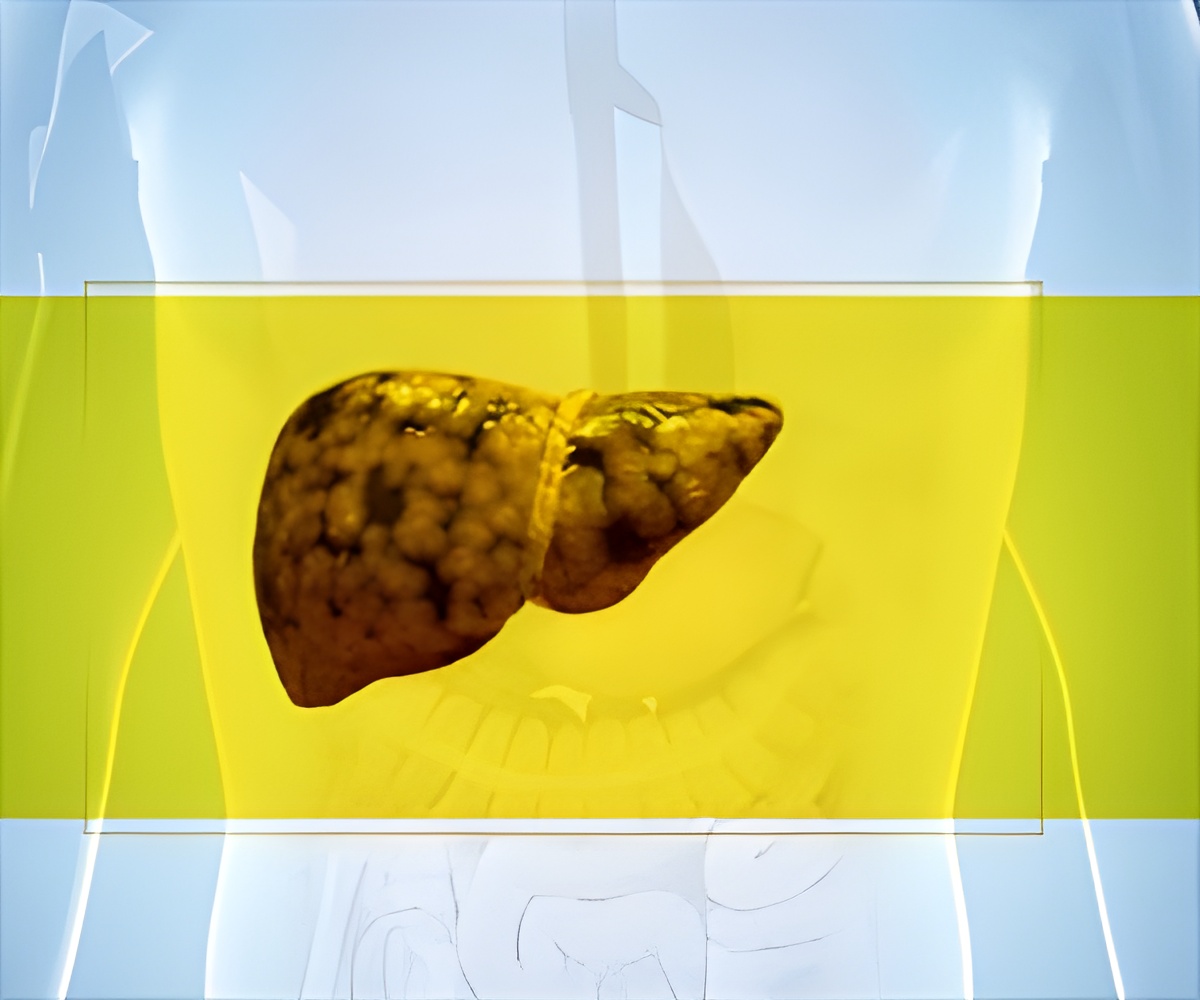
Copper toxicity can lead to liver enlargement, hepatitis, cirrhosis, and even liver failure, necessitating a transplant. As the disease progresses, it can also affect the brain, with symptoms that include speech defects, cognitive impairment, psychiatric disorders, tremors, dystonia and Parkinsonian symptoms. Although Wilson's disease can't be controlled by switching to a low-copper diet, it is often manageable with drugs when treated early.

Gut Bacteria may Help Detect Early Stages of Liver Disease
Gut bacteria markers could be a 'smoking gun' for the early stages of liver disease. This finding shows that chemical by-products produced by the microbes living inside us may be used as early warning signs of disease.
Gut bacteria markers could be a 'smoking gun' for the early stages of liver disease. This finding shows that chemical by-products produced by the microbes living inside us may be used as early warning signs of disease.
The team's new research confirms that DPM-1001, a small molecule, robustly reduces copper levels in cells grown in culture that were sampled from Wilson's disease patients, as well as systemically in a mouse model of Wilson's disease. It acts as a chelator - a compound that interacts with a metal to facilitate its natural removal.
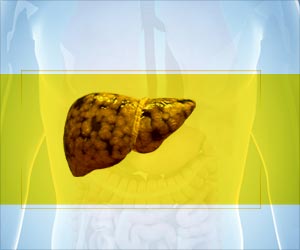
Diagnosis of Liver Diseases in Teenagers Made Easy
New ultrasound technology called Time-Harmonic Elastography (THE) can diagnose liver diseases in teenagers based on its ability to measure elasticity in tissues. This measure is noninvasive compared to the current methods such as liver biopsy.
New ultrasound technology called Time-Harmonic Elastography (THE) can diagnose liver diseases in teenagers based on its ability to measure elasticity in tissues. This measure is noninvasive compared to the current methods such as liver biopsy.
In a mouse model of Wilson's disease, DPM-1001 ameliorated associated liver complications including enlarged cell size, irregular shape, and arrangement in liver tissue. This was accompanied by a dramatic lowering of tissue copper levels and reduced disease symptoms.

Top 5 Foods to Fight Non-alcoholic Fatty Liver Disease
Top 5 natural ways to fight non-alcoholic fatty liver disease have been revealed by health expert. More than a million new patients are diagnosed with liver cirrhosis every year globally.
Top 5 natural ways to fight non-alcoholic fatty liver disease have been revealed by health expert. More than a million new patients are diagnosed with liver cirrhosis every year globally.
Source-Eurekalert
 Email
Email