MEDINDIA
 English
 हिन्दी
 Español
 français
 中文
中文
Cost is the main barrier for most countries to help people quit smoking, therefore they can mix match these six solutions according to their resources.
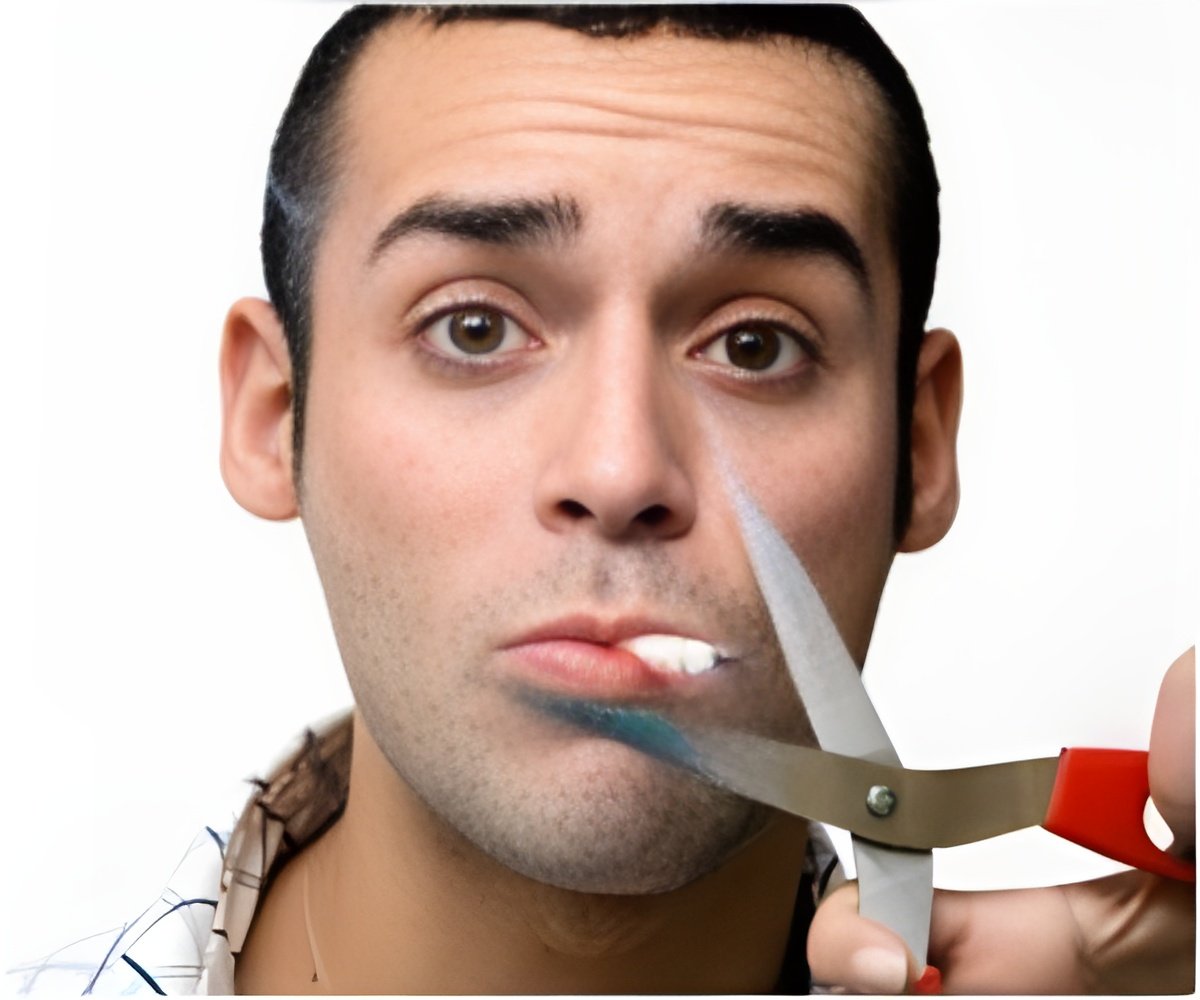

Antioxidants to Help You When You Quit Smoking
Smoking is injurious to health, but it sure is a tough addiction to stop. Cure yourself with the power of antioxidants to eliminate health risks such as lung cancer and dental problems.
Smoking is injurious to health, but it sure is a tough addiction to stop. Cure yourself with the power of antioxidants to eliminate health risks such as lung cancer and dental problems.
The international team of researchers behind the study offer six methods that are globally affordable and shown to work for quitting smoking.
- Healthcare advice: Even 5 minute interaction between patient and doctors about the use of tobacco and its effects were found to raise the quitting rates by 2%.
- Self-help materials: Books, pamphlets, medications and other printed information that can offer support increased the cessation by 2%.
- Telephone helplines: Trained counselors available 24/7 through phonelines for encouraging tobacco users for quitting raised cessation rates to 3%. But hotlines that require callers to dial in themselves did not help people quit explained the researchers.
- Automated text messaging: Motivational messages through texts can act as helpful reminders for smokers to quit. Quitting rates bumped up to 4% over no intervention.
- Cytisine: It is a cheap plant extract that binds with nicotine receptors to make smoking less satisfying. It also alleviates the withdrawal symptoms that make quitting so hard. According to the new model, cytisine could help people from all income levels quit smoking at a low cost. When used by people who smoke at least 15 cigarettes a day, cytisine has increased the cesstion rates to 6%.
- Nortriptyline: Researchers said that nortriptyline is a kind of antidepressant, therefore it requires constant monitoring from a healthcare professional. But when combined with behavioral support it showed 10% increase in quitting rates compared to a placebo.

FDA Officials Seize Tobacco Products Worth 300,000 in Nagpur, Maharashtra
Government of Maharashtra announced the ban on tobacco products from July 17,2015 and FDA officials conducted raids in 52 places simultaneously.
Government of Maharashtra announced the ban on tobacco products from July 17,2015 and FDA officials conducted raids in 52 places simultaneously.
Turkmenistan Has the World's Lowest Proportion of Smokers: WHO Chief Margaret Chan
In 2011, Turkmenistan banned smoking in public places, state buildings and the army, as well as all forms of tobacco advertising.
In 2011, Turkmenistan banned smoking in public places, state buildings and the army, as well as all forms of tobacco advertising.
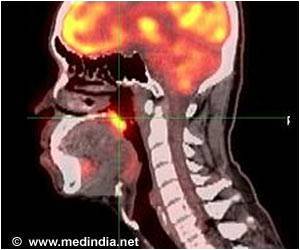
80 Percent of Head And Neck Cancer in India Preventable As They Are Tobacco Induced
Due to increase in alcohol consumption and tobacco, there is an alarming increase in the incidence of head and neck cancer cases in India.
Due to increase in alcohol consumption and tobacco, there is an alarming increase in the incidence of head and neck cancer cases in India.
 Email
Email