MEDINDIA
 English
 हिन्दी
 Español
 français
 中文
中文
If the activity of one key protein, Cdc6, was blocked from joining the 'machine', the 'machine' jammed and DNA copying stopped during replication process.
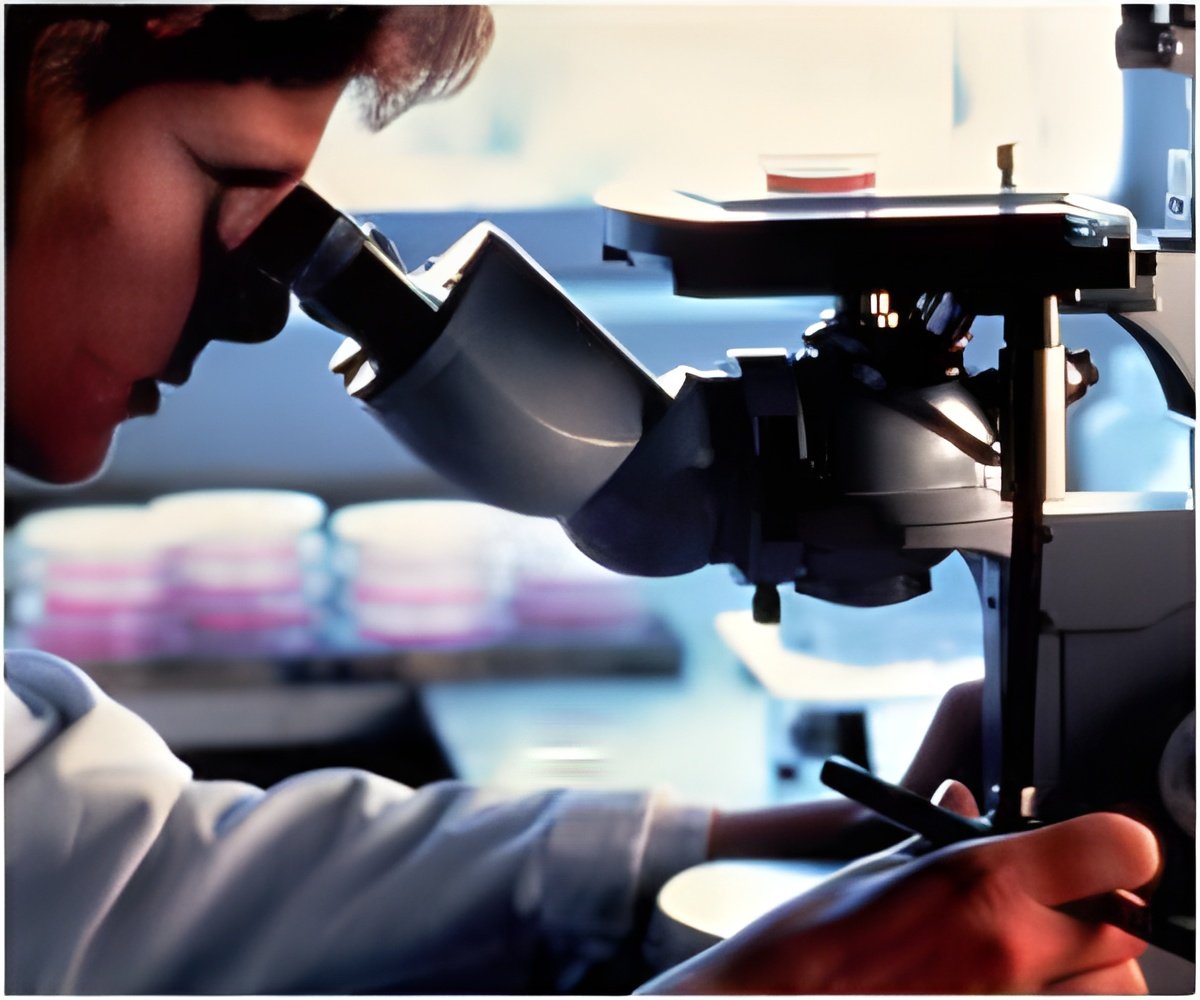

Anti-cancer Treatment Could Become Cheaper
The Re Do project is striving to reduce the cost of anticancer treatment by using some drugs available for other conditions for the treatment of cancer.
The Re Do project is striving to reduce the cost of anticancer treatment by using some drugs available for other conditions for the treatment of cancer.
These results may help to improve cancer treatments. Current chemotherapy drugs kill the cancer cells by damaging their DNA, but they can also harm the DNA in healthy cells. This can cause mutations that ultimately drive the cells to develop into secondary tumors. If scientists could develop a treatment that targets the cellular machinery that copies DNA, instead of targeting the DNA itself, they may be able to reduce the risk of such side effects.
Source-IANS
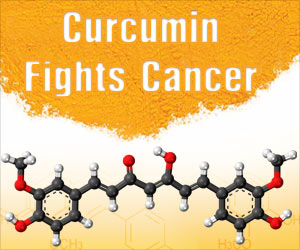
New Hope of Treating Cancer With Curcumin
Curcumin, one of the main ingredients of turmeric, has shown remarkable abilities to stop the division and spread of cancerous cells when used in different drug delivery systems.
Curcumin, one of the main ingredients of turmeric, has shown remarkable abilities to stop the division and spread of cancerous cells when used in different drug delivery systems.

Intel Partners With Oregon University to Develop Precision Medicine for Cancer Treatment
Its focus is to help cancer centers worldwide to securely share their private clinical and research data that can help in the treatment of patients.
Its focus is to help cancer centers worldwide to securely share their private clinical and research data that can help in the treatment of patients.

New Approach Accelerates Identification of Cancer Treatments
At the University of Michigan, researchers have described a new approach to discovering potential cancer treatments that requires a fraction of the time needed for more traditional methods.
At the University of Michigan, researchers have described a new approach to discovering potential cancer treatments that requires a fraction of the time needed for more traditional methods.
 Email
Email