MEDINDIA
 English
 हिन्दी
 Español
 français
 中文
中文
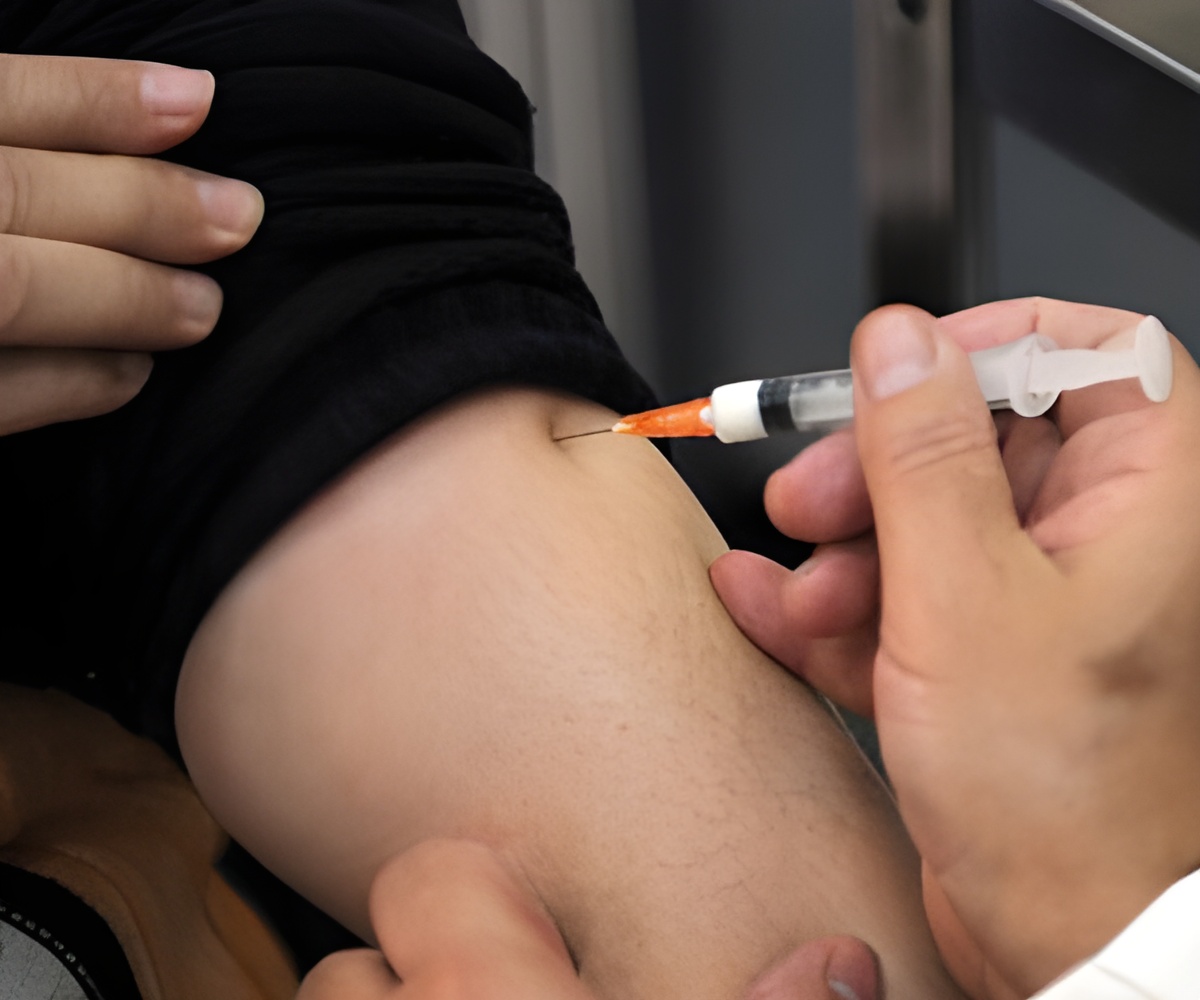
New study findings were found to lead to improved vaccinations against sexually transmitted infections.

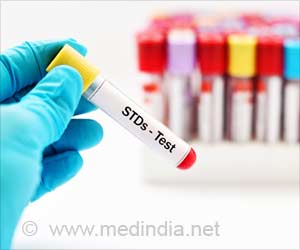
Safe Sex
Sex is fun but involves health risks such as sexually transmitted diseases (STDs or unplanned pregnancy specially in those who have multiple partners or in those having unprotected sex.
Sex is fun but involves health risks such as sexually transmitted diseases (STDs or unplanned pregnancy specially in those who have multiple partners or in those having unprotected sex.
TOP INSIGHT

Specialized groups of 'innate' immune cells in distant tissues can be harnessed to attract protective CD8 T-cells, arming the body's frontline tissues from infection.
Now the team from King's have found that their vaccination strategy marshals a platoon of immune cells, called innate lymphoid cells (ILC1) and monocytes, in the genital tissues to work together and release chemicals (chemokines) to send out a call to the CD8 T-cells generated by the vaccine to troop into the genital tissue.
This research builds on the team's earlier work to develop skin vaccination techniques using a dissolvable 'microneedle' vaccine patch that once placed against the skin dissolves and releases the vaccine without requiring a hypodermic needle injection and generates immune responses.

Quiz on Sexually Transmitted Diseases (STDs)
The alarming risk in sexually transmitted diseases is due to an increase in teenage sex, multiple sex partners, ignoring the use of preventive measures and lack of adequate knowledge about these diseases. Test your knowledge on sexually transmitted diseases by taking this quiz.
The alarming risk in sexually transmitted diseases is due to an increase in teenage sex, multiple sex partners, ignoring the use of preventive measures and lack of adequate knowledge about these diseases. Test your knowledge on sexually transmitted diseases by taking this quiz.
Source-Eurekalert

High Prevalence of Sexually Transmitted Infections in Sub-Saharan Africa
Curable STIs like syphillis,Chlamydia, gonorrhea and trichomoniasis are highly prevalent among young women of sub-Saharan Africa. The incidence is less among older women and young men.
Curable STIs like syphillis,Chlamydia, gonorrhea and trichomoniasis are highly prevalent among young women of sub-Saharan Africa. The incidence is less among older women and young men.
Immunization
Protect your child from various deadly diseases by giving the vaccinations at the right age. This tool helps you schedule the vaccinations of your child.
Protect your child from various deadly diseases by giving the vaccinations at the right age. This tool helps you schedule the vaccinations of your child.
 Email
Email