MEDINDIA
 English
 हिन्दी
 Español
 français
 中文
中文
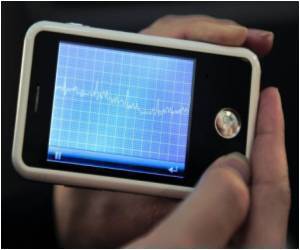
UC Davis researchers have designed a plug-in interface which will usher in the new generation of compact medical devices.


FDA To Tighten Norms For Approval Of Medical Devices
The US Food and Drugs Administration (FDA) is gearing up to tighten the norms for approval of medical devices.
The US Food and Drugs Administration (FDA) is gearing up to tighten the norms for approval of medical devices.
They could be used, for example, in compact devices used for medical diagnosis, food safety or environmental monitoring.
Cell phones with increasingly sophisticated cameras could be turned into microscopes that could read such tests in the field.

New Nanomaterial to Pave Way for Implantable Medical Devices
A new study led by an Indian origin scientist has found that the unique properties of a new material can be used to create new devices that can be implanted into the human body- including
A new study led by an Indian origin scientist has found that the unique properties of a new material can be used to create new devices that can be implanted into the human body- including
Pan said that the fit-to-flow connectors can be integrated with a standard peripheral component interconnect (PCI) device commonly used in consumer electronics, while an embedded micropump will provide on-demand, self-propelled microfluidic operations.

Chemical Found In Medical Devices Impairs Heart Function
Researchers have found that a chemical commonly used in the production of such medical plastic devices as intravenous (IV) bags and catheters can impair heart function in rats.
Researchers have found that a chemical commonly used in the production of such medical plastic devices as intravenous (IV) bags and catheters can impair heart function in rats.
The findings were published in the journal Lab on a Chip.

India To Introduce Medical Devices Regulation Bill
India has proposed to bring in a new legislation to enforce uniform and effective standards of Medical Devices throughout the country.
India has proposed to bring in a new legislation to enforce uniform and effective standards of Medical Devices throughout the country.
 Email
Email