
Respiratory Diseases - Diseases of the Human Respiratory System
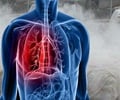
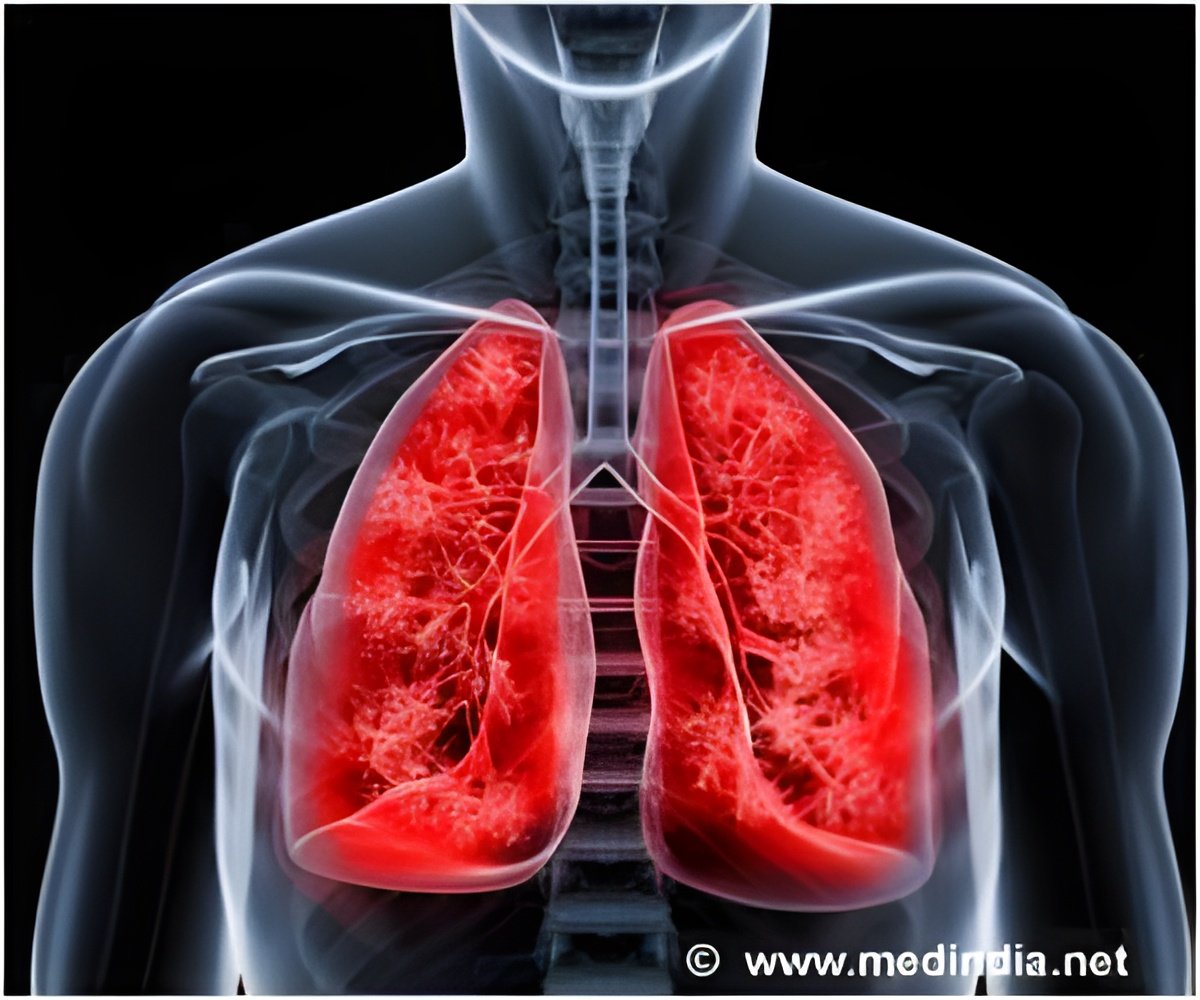
Respiratory diseases affect any part of the respiratory system. Some of the lung diseases like chronic obstructive pulmonary disease can lead to respiratory failure.
Respiratory diseases affect any part of the respiratory system. Some of the lung diseases like chronic obstructive pulmonary disease can lead to respiratory failure.
Among the major findings:
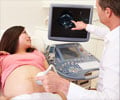
- Lung ultrasound revealed very severe congestion in 14% of patients and moderate-to-severe lung congestion in 45% of patients.
- Among those with moderate-to-severe lung congestion, 71% were asymptomatic.
- Compared with those having mild or no congestion, those with very severe congestion had a 4.2-fold increased risk of dying and a 3.2-fold increased risk of experiencing heart attacks or other cardiac events over a two-year follow-up period.
- Asymptomatic lung congestion detected by lung ultrasound was a better predictor of patients' risk of dying prematurely or experiencing cardiac events than symptoms of heart failure.
The findings indicate that assessing subclinical pulmonary edema can help determine dialysis patients' prognoses. "More importantly, our findings generate the hypothesis that targeting subclinical pulmonary congestion may improve cardiovascular health and reduce risk from cardiovascular death in the dialysis population, a population at an extremely high risk," said Dr. Zoccali. Fluid in the lungs may be reduced with longer and/or more frequent dialysis.

Health Hazards of Smoking Cigarettes
Smoking causes many diseases and affects the overall health of smokers.
Smoking causes many diseases and affects the overall health of smokers.
Advertisement
Lung Biopsy - Indications - Procedures - Risks - FAQs - Reference
The procedure by which tissue samples are obtained from the lung is known as lung biopsy. The biopsy tissues obtained from the lungs are examined by a pathologist.
The procedure by which tissue samples are obtained from the lung is known as lung biopsy. The biopsy tissues obtained from the lungs are examined by a pathologist.

Goodpasture Syndrome / Anti-GBM Disease - Risk Factors – Symptoms – Diagnosis - Treatment
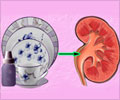
Goodpasture Syndrome is an autoimmune condition affecting the lungs and kidneys.
Goodpasture Syndrome is an autoimmune condition affecting the lungs and kidneys.