MEDINDIA
 English
 हिन्दी
 Español
 français
 中文
中文
LipidSeq is licensed for use in the U.S. to help clinicians identify patients with genetically-based high-cholesterol.
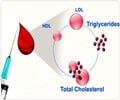
Cholesterol - Lipoproteins - Functions - Normal Blood Cholesterol Levels - Causes - Treatment - FAQs
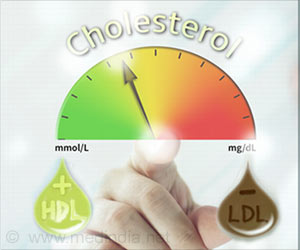
Cholesterol is produced by the body (liver) and is essential for normal body functioning.
Cholesterol is produced by the body (liver) and is essential for normal body functioning.
TOP INSIGHT

LipidSeq can identify a genetic basis for high-cholesterol in almost 70 percent of a targeted patient population.
The study, published online today in the journal Arteriosclerosis, Thrombosis, and Vascular Biology, used the LipidSeq method on 313 patients with LDL cholesterol levels above 5.0 mmol/L who had been referred to the lipid clinic at LHSC. From those patients, LipidSeq was able to identify a genetic mutation in 67 percent.
Fifty-four percent were single gene mutations, and the other 13 percent were polygenic DNA variants, meaning they were a combination of multiple bad genes inherited together. The study also showed that the percentage of individuals with an identified genetic component increased as cholesterol levels in the patient increased.
Cholesterol - The Enigma Chemical - Myths - Diet - Functions
The word 'Cholesterol' rings danger bells as soon as it is mentioned. This important chemical is important for the normal metabolism of the body and is dangerous only if present in excess.
The word 'Cholesterol' rings danger bells as soon as it is mentioned. This important chemical is important for the normal metabolism of the body and is dangerous only if present in excess.
Source-Eurekalert

High Cholesterol | Hypercholesterolemia - Causes, Symptoms, Diagnosis & Treatment
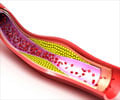
High cholesterol level in blood are a risk for heart disease and stroke. They get deposited in the wall of the arteries and clog the circulation posing a threat to life.
High cholesterol level in blood are a risk for heart disease and stroke. They get deposited in the wall of the arteries and clog the circulation posing a threat to life.

Natural Remedies for Cholesterol � How Effective Are They?
Certain natural remedies are effective in controlling high cholesterol, when aided by lifestyle changes.
Certain natural remedies are effective in controlling high cholesterol, when aided by lifestyle changes.
 Email
Email