Nutrition Facts
The importance of eating food and the physiological, psychological and social functions of food.
The importance of eating food and the physiological, psychological and social functions of food.
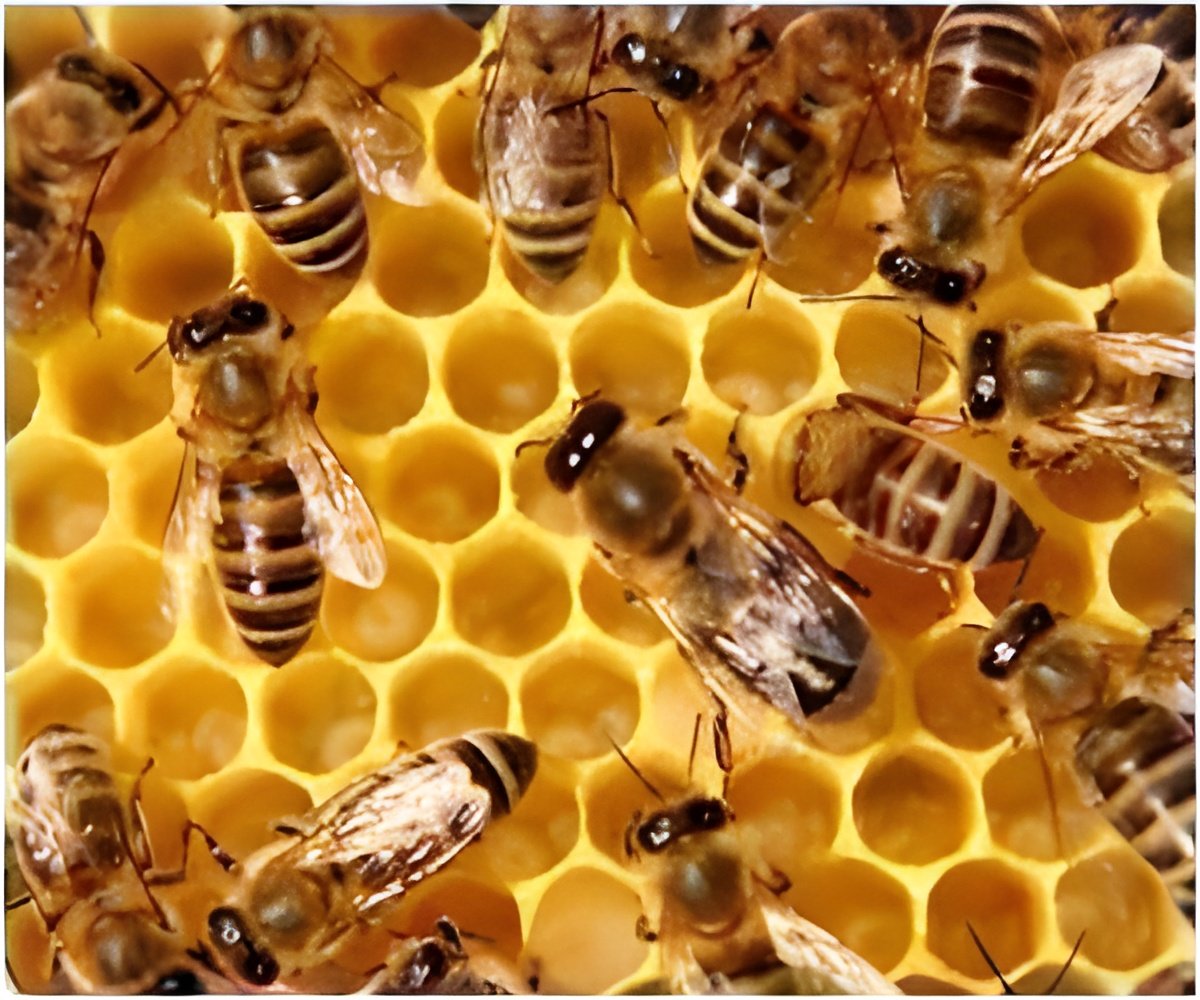
The research identified, for the first time, important food-processing genera in honey bee colonies: Succinivibrio and Oenococcus were the dominant genera found in the study, and there was 40 percent greater activity of the probiotic genera Bifidobacterium and Paralactobacillus in colonies that were genetically diverse compared to those that were genetically uniform. Genetic diversity is created in a colony when a queen mates with many male bees, an act that is known to improve colony health and productivity.
"We don't yet know what's causing colony collapse disorder, but colonies that succumb to it suffer from a broad range of problems," Newton said of a phenomenon that the U.S. Department of Agriculture says has taken about 34 percent of the overall U.S. honey bee population each year since 2007. "What we observed in our work was that there was less likelihood of potentially pathogenic bacteria showing up in genetically diverse honey bee colonies compared to genetically uniform colonies."
Diet and Nutrition for Healthy Weight Loss
Correct diet and a planned exercise regime is the mantra of healthy and sustainable weight loss.
Correct diet and a planned exercise regime is the mantra of healthy and sustainable weight loss.
Advertisement

Diet, Nutrition and Supplements for Osteo-Arthritis and Rheumatoid Arthritis
Rheumatoid arthritis patients should consume a diet rich in natural antioxidant and anti-inflammatory nutrients and avoid foods like sugar, saturated fats, and trans fatty acids.
Rheumatoid arthritis patients should consume a diet rich in natural antioxidant and anti-inflammatory nutrients and avoid foods like sugar, saturated fats, and trans fatty acids.
Home Grown Herbs for Holistic Nutrition
Creating a little kitchen garden at home is an immensely fulfilling way to incorporate healing herbs bundled with protective nutrients in the daily diets.
Creating a little kitchen garden at home is an immensely fulfilling way to incorporate healing herbs bundled with protective nutrients in the daily diets.