MEDINDIA
 English
 हिन्दी
 Español
 français
 中文
中文
Delamanid is a novel tuberculosis treatment option to treat drug-resistant strains of Mycobacterium tuberculosis.
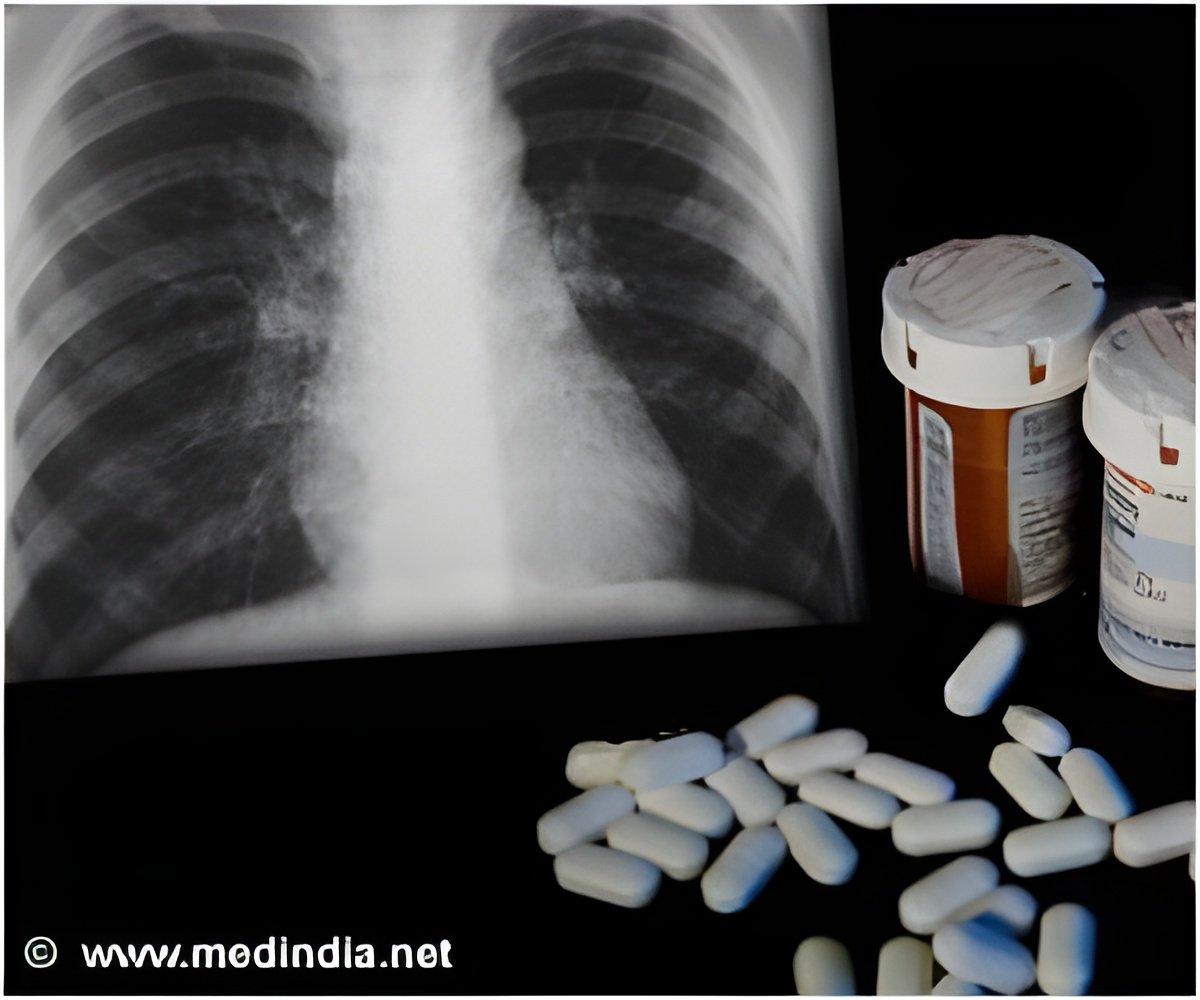
Tuberculosis - Spread - Symptoms - Diagnosis - Treatment - FAQs
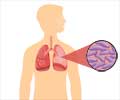
Tuberculosis, caused by Mycobacterium tuberculosis, primarily affects the lung. It may spread to other organs.
Tuberculosis, caused by Mycobacterium tuberculosis, primarily affects the lung. It may spread to other organs.
The current clinical trial, across multiple countries, involved 481 patients aged 18 to 64 years and with sputum culture–positive MDR-TB and chest radiography consistent with TB. For 2 months, the patients received 100mg two-times-a-day delamanid (161 patients), 200 mg two-times-a-day (160 patients), or placebo (160 patients). Patients were also treated with a 4 to 5 drug combination therapy as per WHO recommendation for MDR-TB treatment. Sputum cultures were evaluated every week and sputum-culture conversion was said to occur when five or more sequential cultures were negative for M. tuberculosis. The cultures were considered positive based on the presence of colonies with specific morphological features.
Sputum-culture conversion was observed in 45.4% and 41.9% of 100mg and 200mg delamanid treated patients respectively as well as in 29.6% of placebo group patients. Adverse events were mild to moderate and evenly distributed among the groups.

First Clinical Tests for Novel Drug-resistant TB Treatment
A global health alliance launches trial for a new treatment regimen for tuberculosis.
A global health alliance launches trial for a new treatment regimen for tuberculosis.
Reference: Delamanid for Multidrug-Resistant Pulmonary Tuberculosis; Maria Tarcela et al; N Engl J Med 2012; 366:2151-2160 June 7, 2012
Prevention Treatment Beneficial for Children Exposed to Multidrug Resistant Tuberculosis Bacterium
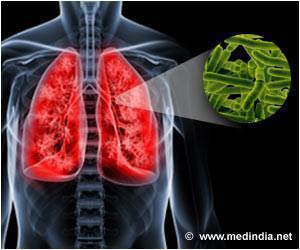
Researchers find the preventive treatment beneficial in protecting the children, who are in close contact with multidrug resistant tuberculosis affected patients, from acquiring the disease.
Researchers find the preventive treatment beneficial in protecting the children, who are in close contact with multidrug resistant tuberculosis affected patients, from acquiring the disease.
 Email
Email